
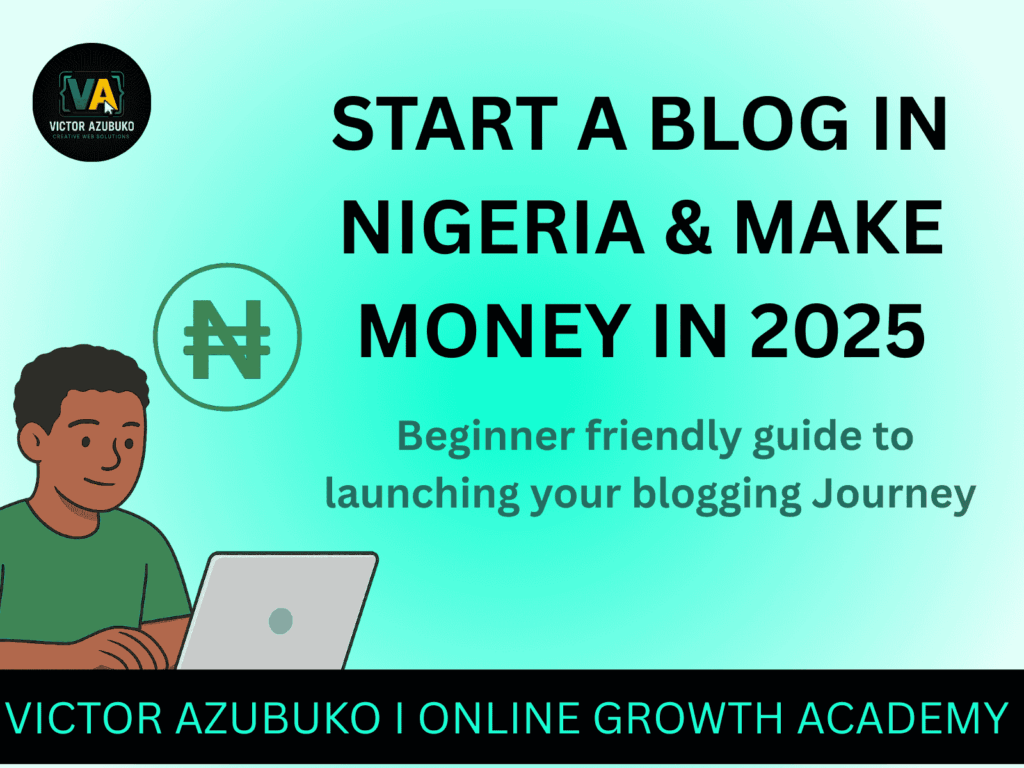
Introduction
In today’s digital age, blogging has become an essential avenue for expression, creativity, and even income generation, particularly in Nigeria. With the rising population of over 220 million people and an increasingly online-savvy youth demographic, starting a blog in Nigeria in 2026 presents a unique opportunity. From sharing personal stories, professional insights, or even promoting local businesses, the potential for bloggers in Nigeria is immense.
However, many aspiring bloggers face challenges when attempting to carve their niche in the vast blogosphere. Whether it’s tackling the technical aspects of setting up a blog, understanding how to select an appropriate niche, or navigating the complexities of content monetization, the journey can be daunting. That’s where this comprehensive guide comes into play. In the following sections, we will delve into everything you need to know about starting a blog in Nigeria in 2026—from the fundamental requirements, practical steps involved, and the costs you should expect, to the common pitfalls to avoid.
By the end of this guide, you will be equipped with the knowledge and tools to embark on your blogging journey in Nigeria with confidence and clarity. Let’s get started!
What You Need
Before you dive into the nitty-gritty of setting up your blog, it is crucial to have a clear understanding of the prerequisites. Here’s a detailed breakdown of what you will need:
1. Choosing a Niche
Understanding your audience and your passion is the first and most significant step in establishing a blog. A niche can range from personal finance and lifestyle to tech news or travel in Nigeria. Your choice will dictate your blogging direction and content strategy.
2. Domain Name
To secure your online identity, you will need a domain name. The cost for a .com domain is approximately N10,000 – N20,000 annually, while a .ng domain may cost between N15,000 – N25,000. You can purchase your domain from local registrars such as WhoGoHost or Web4Africa.
3. Web Hosting
Selecting the right hosting provider is crucial. Fast NVMe WordPress hosting services, with servers in Lagos or Johannesburg, will ensure your blog runs smoothly. Expect to pay between N15,000 – N50,000 per year, depending on the plan and provider. Some notable options include Bluehost, HostNiger, and Whogohost.
4. SSL Certificate
To secure your blog and protect your visitors’ data, you will need an SSL certificate. Providers like SSLs.com offer them for around N5,000 – N15,000 yearly.
5. WordPress Installation
WordPress remains the preferred platform for bloggers due to its versatility and user-friendliness. Most hosting providers have simple one-click installation processes, making it easy even for beginners.
6. Essential Plugins
Plugins greatly enhance your blog’s functionality. Some essential plugins include:
- Yoast SEO – for optimizing content for search engines
- Wordfence – for enhanced security
- WP Rocket – for caching and speed optimization
Most plugins are free or provide premium versions costing about N10,000 – N30,000 per year.
7. Content Strategy
Planning your content calendar is vital for blog growth. Understanding what your audience seeks can inform your post frequency and type of content.
8. Social Media Accounts
To promote your blog, leverage social media platforms such as Facebook, Twitter, Instagram, and TikTok. It’s essential to create business accounts to help with outreach and audience engagement.
9. Monetization Options
Consider how to monetize your blog through avenues such as affiliate marketing, sponsored posts, or Google AdSense. Understanding the requirements for these will help you maximize your blog’s revenue potential.
Step-by-Step Guide
Now that you have an understanding of what you need to start a blog in Nigeria, let’s break down the steps involved in a detailed guide.
Step 1: Define Your Niche
The first step involves deep self-reflection. What are you passionate about? Take time to research trending topics in Nigeria. For instance, sectors like tech reviews, lifestyle content, and Nigerian cuisine often attract audience interest. Narrow down your topics to find a niche that blends your interests with audience demand.
Step 2: Choose Your Domain Name and Register It
Your domain name should be simple, memorable, and relevant to your niche. Once you’ve picked a name, search for its availability on platforms like Namecheap or directly through local registrars. Once confirmed, complete your purchase, keeping in mind annual fees between N10,000 – N25,000.
Step 3: Sign Up for a Hosting Plan
Select a hosting provider that suits your budget. Look for plans that offer scalable options. Sign up for a plan, ensuring that it has a money-back guarantee, in case you decide to switch later. Expect to spend about N15,000 – N50,000 for reliable WordPress hosting.
Step 4: Install WordPress
Once your domain and hosting are ready, log into your hosting account and find the WordPress installation option in your control panel. Most hosts provide this as a one-click install. Follow the prompts to set up your WordPress blog, which usually takes less than 10 minutes.
Step 5: Secure Your Blog with SSL
After your blog setup, proceed to install the SSL certificate. Your hosting provider may offer free SSL or you can opt for paid services. This step is crucial as it builds trust among readers and SEO benefits.
Step 6: Select a Theme and Customize Your Blog
Choose a WordPress theme that resonates with your niche. Free themes are available, but premium ones (ranging from N5,000 – N20,000) often provide better features and design flexibility. Customize your theme with your branding elements like logos, color schemes, and widgets.
Step 7: Create and Publish Your First Post
The key to a successful blog lies in consistently high-quality content. Create your first blog post, ensuring it’s informative and well-optimized for SEO. Use images (stock photos or your own), headlines, and subheaders to enhance readability. Once satisfied, publish your post and share it across your social media channels.
Costs and Fees
Here’s a breakdown of all potential costs involved in starting your blog in Nigeria in 2026:
| Item | Cost (in Naira) |
|---|---|
| Domain Registration (.com or .ng) | N10,000 – N25,000 |
| Web Hosting (Annual) | N15,000 – N50,000 |
| SSL Certificate | N5,000 – N15,000 |
| WordPress Theme (Premium) | N5,000 – N20,000 |
| Essential Plugins (Annual) | N10,000 – N30,000 |
| Total Estimated Cost | N45,000 – N150,000 |
Comparison
When choosing hosting providers or domain registrars, consider the following table for a comparison of popular services:
| Service | Type | Price Range (Yearly) | Key Features |
|---|---|---|---|
| HostNiger | Web Hosting | N15,000 – N50,000 | 24/7 Support, Free SSL |
| Bluehost | Web Hosting | N20,000 – N40,000 | User-Friendly, Free Domain |
| Namecheap | Domain Registrar | N10,000 – N20,000 | Easy Domain Management |
| Web4Africa | Domain Registrar | N15,000 – N25,000 | Local Support, Multi-Years Option |
Common Mistakes to Avoid
Every new blogger in Nigeria often falls into similar traps. Here are some common mistakes and how to avoid them:
- Inconsistent Posting: Many beginners underestimate the importance of a consistent posting schedule. Plan a content calendar and stick to it.
- Neglecting SEO: Not optimizing blog posts for search engines can limit audience reach. Invest time in learning basic SEO or use plugins like Yoast.
- Ignoring User Experience: Overcomplicating the blog design can drive visitors away. Stick to clean layouts that promote readability.
- Forgetting to Promote: Simply publishing content is not enough; actively share your posts on social media and engage with fellow bloggers.
- Underestimating Costs: Many new bloggers don’t budget for ongoing costs like hosting and SSL. Plan for these to avoid surprises.
Tips and Insider Knowledge
To ensure your success as a blogger in Nigeria, here are some insider tips that may not be widely known:
- Engage with Nigerian Blogging Communities: Platforms like Facebook groups or forums for Nigerian bloggers can be invaluable for support and collaboration.
- Leverage Local Trends: Tailor your content to reflect local interests and trends. Topics that resonate with Nigerians often gain traction.
- Utilize USSD Payment Options: When monetizing through services, familiarize yourself with USSD codes for services like GTBank (*737#) or Access Bank (*901#) for easy transactions.
- Network with Influencers: Building relationships with established bloggers can lead to guest posting opportunities and more visibility.
- Stay Updated: The digital landscape is ever-evolving. Regularly update yourself on blogging trends, tools, and audience preferences.
Frequently Asked Questions
1. How much can I earn from blogging in Nigeria?
Earnings vary significantly based on your niche and audience size. Successful bloggers can earn anywhere from N20,000 to over N1,000,000 monthly through ads, sponsored posts, and affiliate marketing.
2. Do I need to be tech-savvy to start a blog?
No, you don’t need advanced technical skills. WordPress is user-friendly, and extensive tutorials are available online. With some basic knowledge, anyone can manage a blog.
3. How often should I post on my blog?
Consistency is key. Aim for at least one high-quality post per week. However, quality is more important than quantity, so ensure you maintain high standards.
4. Can I blog for free in Nigeria?
While free blogging platforms exist (like Blogger or Medium), they often come with limitations, such as advertisements. If you’re serious about blogging, consider investing in a self-hosted blog.
5. What are the legal requirements for bloggers in Nigeria?
As a blogger, you should be aware of copyright laws and the need for disclaimers in sponsored articles. Registering with the Corporate Affairs Commission (CAC) isn’t mandatory but advisable if you plan to operate as a registered business.
Conclusion
Starting a blog in Nigeria in 2026 is a feasible and promising endeavor. By following the outlined steps, investing time in crafting quality content, and promoting your brand effectively, you can develop a successful blog that resonates with your audience. Avoid common pitfalls, utilize insider tips, and always stay informed about industry trends to ensure maximum growth and success in this competitive arena. Happy blogging!
