
Introduction
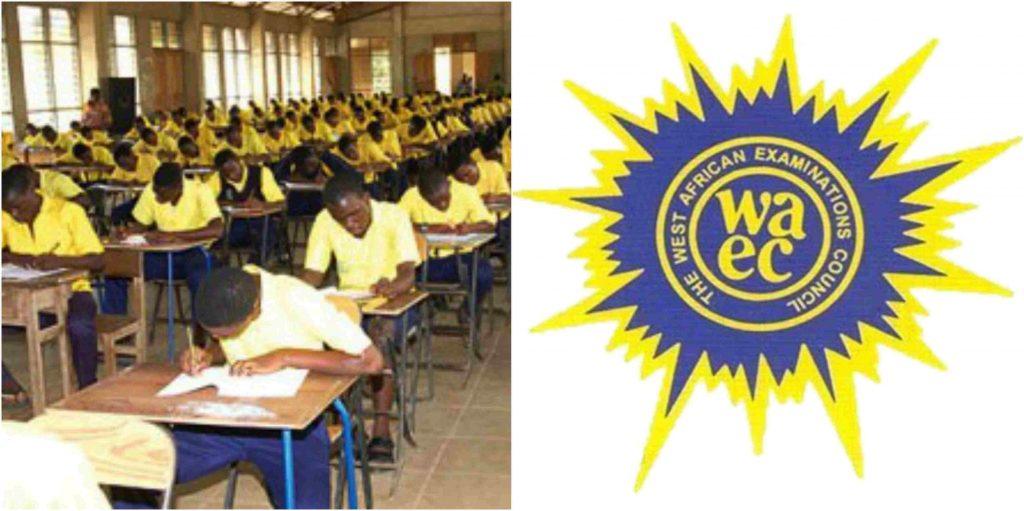
The West African Senior School Certificate Examination (WASSCE), commonly referred to as WAEC, plays a pivotal role in the academic journey of Nigerian secondary school students. With over 1.5 million candidates expected to sit for the 2026 WAEC in Nigeria, passing this examination is crucial for securing a place in higher institutions of learning and enhancing career prospects. Understanding how to effectively prepare and pass the WAEC exams in Nigeria 2026 is essential for students and their guardians.
This comprehensive guide explores everything a candidate needs to know about passing the WAEC exams, including registration requirements, studious techniques, and common pitfalls to avoid. By the end of this article, you will gain valuable insights into examination strategies, resource availability, and insider tips that can make a significant difference in your performance.
Whether you are a school candidate or a private candidate embarking on this journey, the 2026 WAEC exam presents its unique challenges and opportunities. Get ready to dive deep into everything you need to enhance your chances of success in this vital examination.
What You Need
Before embarking on your WAEC journey, you must fulfill certain requirements and gather specific documents. Here’s an overview:
- Registration Process: Candidates must register through their schools or as private candidates. This includes filling out the registration form available at designated registration centers.
- Documents Required:
- Birth Certificate or age declaration for age verification.
- A recent passport photograph (not older than six months).
- Testimonial or school attendance record (for school candidates).
- A valid National Identification Number (NIN) required for registration.
- Registration Fee: The current registration fee is approximately between N25,000 – N35,000, which includes all subjects the candidate intends to take.
- WAEC Timetable: Familiarize yourself with the 2026 WAEC timetable, which includes key dates, subject coding, and exam durations. Schools often receive this information; private candidates must refer to the WAEC website or official sources.
Step-by-Step Guide
Below is a detailed guide on how to prepare and pass the WAEC exams.
Step 1: Create a Study Schedule
Establish a realistic study schedule that allocates time for each subject. Ignore cramming; instead, focus on gradually absorbing the content.
- Allocate more study time to challenging subjects.
- Include breaks and time for revision in your plan.
Step 2: Gather Study Materials
Collect reliable study materials, including textbooks, past questions, and online resources. Numerous platforms like WAECPractice, Pass WAEC, and school libraries stock essential materials.
- Consider purchasing carefully selected WAEC preparation books.
- Utilize past questions dating back to 2020, as they provide a good insight into the exam’s structure.
Step 3: Engage in Group Study
Join a study group with peers to enhance knowledge through discussions. This collaboration allows you to tackle difficult topics and quiz each other on the material.
Step 4: Attend Extra Classes
Consider enrolling in extra classes if you struggle in certain subjects. Many schools and tutoring centers offer focused crash courses leading to WAEC.
- Ask your school for recommendations of reliable tutors.
- Stay engaged with the course material by asking questions.
Step 5: Practice with Mock Exams
Conduct mock exams under timed conditions using past questions from WAEC. This will enhance your time management skills and exam readiness.
- Identify your weak points and work on them before the actual exam.
Step 6: Focus on Theory and Practical Work
For subjects like Physics, Chemistry, and Biology, ensure you understand theory and practical applications. Review past practical exams to get familiar with required practical skills.
Step 7: Prepare for the Examination Day
As the exam approaches, ensure you are physically and mentally prepared. Create a checklist of all needed items:
- WAEC admission card.
- Writing materials (pens, pencils, erasers).
- A valid ID (NIN slip).
Costs and Fees
Here’s a detailed breakdown of the costs and fees you should expect during your WAEC exam preparation:
| Item | Cost (Naira) |
|---|---|
| WAEC Registration Fee | N25,000 – N35,000 |
| Past Questions (Set of 5) | N3,000 – N5,000 |
| Textbooks | N10,000 – N15,000 (for multiple subjects) |
| Tutoring Fees (per month) | N10,000 – N20,000 |
| Mock Exam Fees | N3,000 – N7,000 (depending on the institution) |
Comparison
When choosing between school and private candidates, consider the following:
| Aspect | School Candidates | Private Candidates |
|---|---|---|
| Registration Process | Through school | Directly with WAEC |
| Fee Structure | Usually lower, includes school administrative fees | Higher, due to individual registration |
| Extra Support | Access to school resources and teachers | Independent study, fewer resources |
| Exam Scheduling | Aligned with the school’s exam timetable | Based on WAEC timetable published online |
Common Mistakes to Avoid
Avoid these pitfalls that can hinder WAEC success:
- Procrastination: Many students delay their studies until the last moment. Start early!
- Ignoring Past Questions: Not practicing past questions means missing out on understanding the question pattern.
- Not Seeking Help: When struggling, don’t hesitate to ask teachers or fellow students for clarification.
Tips and Insider Knowledge
To enhance your preparation and performance, consider the following insider tips:
- Join online platforms and groups where past questions and study tips are shared.
- Use various study formats—visual aids, flashcards, and audio lessons can help diversify your learning methods.
- Develop relationships with teachers; they are often willing to provide insight into exam focus areas.
Frequently Asked Questions
1. What is the passing grade for WAEC exams?
To pass, students typically need a minimum of credit level passes (C5 to C6) in at least five subjects, including English Language and Mathematics.
2. When will WAEC 2026 results be released?
Results are usually released within 60 days of the last exam date. Candidates can use the result checking code provided by WAEC.
3. What should I do if I fail a subject?
Students who don’t achieve credit in any subject will have to retake that subject’s exam in subsequent years.
4. Is registration for WAEC different for private candidates and school candidates?
Yes, school candidates register through their institutions whereas private candidates must register individually through WAEC.
5. How can I prepare effectively for practical subjects?
Regularly practice past practical exams, seek guidance from teachers, and gather materials or kits required to familiarize yourself with practical procedures.
Conclusion
Preparing for the WAEC exams in Nigeria 2026 requires diligence, strategic study, and a thorough understanding of the exam structure. By following this guide, gathering necessary documents, avoiding common mistakes, and actively engaging in study, you’ll enhance your chances for success. Your effort and commitment will undoubtedly pay off when you see your results!
