
Introduction
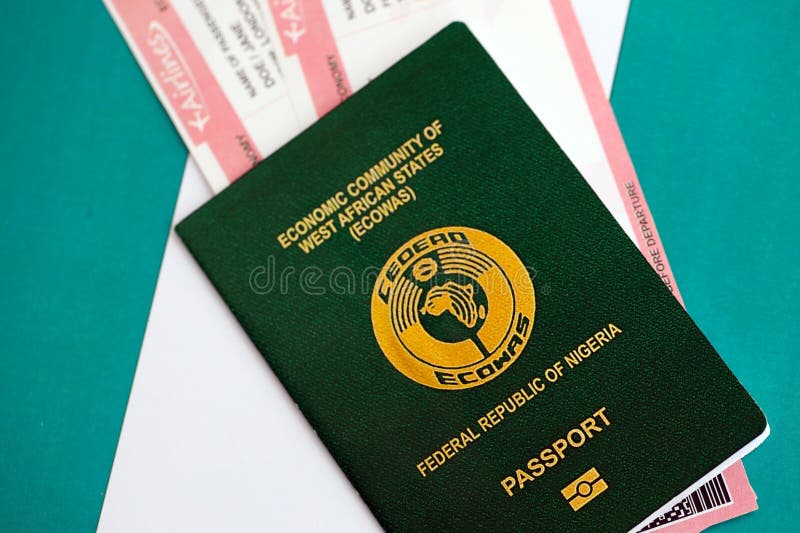
Getting a Nigerian passport is a crucial step for any Nigerian, whether you’re planning to travel abroad, start a new lifestyle, or even seek employment opportunities outside Nigeria. As the global landscape changes and grows more interconnected, having a passport in 2026 acts not just as a travel document but also as a key to new experiences and opportunities. Knowing how to navigate the passport application process is essential, especially considering the recent updates from the Nigerian Immigration Service (NIS).
In Nigeria, where various challenges exist in acquiring essential documents, understanding the precise steps and requirements for obtaining a passport can save time and reduce the frustration often associated with the process. This comprehensive guide will detail everything you need to know about obtaining a Nigerian passport in 2026—from the documents required to the associated costs, and everything in between.
By following this guide, you will learn about the necessary prerequisites, how to fill out your application form accurately, where to go for your interview, and common pitfalls to avoid. You’ll also discover insider tips on expediting the process, as well as a detailed breakdown of costs you should expect.
What You Need
Before diving into the application process, it’s important to gather all necessary documents and fulfill all prerequisites to avoid unnecessary delays. Here’s a detailed breakdown of what you’ll require:
- Nigerian ID: You need a form of identification, such as a National Identity Number (NIN) from the National Identity Management Commission (NIMC), which costs around N1,000 to N5,000 depending on the service used.
- Birth Certificate: Applicants must provide an NPC Birth Certificate or a signed statement of age. Ensure that it’s an authenticated copy, which may cost anywhere between N1,000 and N3,000.
- Passport Photographs: Two recent passport-sized photographs are required. Ensure these comply with Nigerian Immigration guidelines; the cost for getting these photos printed is typically around N1,500 to N3,000.
- Application Fee: The passport application fee varies depending on the type of passport you are applying for:
- 32-page passport: N25,000
- 64-page passport: N40,000
- Evidence of Parental Consent (for Minors): If you’re applying for a passport for a minor, parental consent documentation—such as photocopies of both parents’ passports or a signed letter of consent—is required.
- Appointment Confirmation: You must complete your application online via the NIS portal (passport.immigration.gov.ng), where you will receive a confirmation email for your scheduled appointment.
Step-by-Step Guide
Navigating the Nigerian passport application process involves several important steps. Here’s how to get it done:
Step 1: Complete the Online Application Form
Begin by visiting the official Nigerian Immigration Service website. Complete the e-Passport application form thoroughly. Be cautious while filling out your details to avoid common mistakes.
Tips: Carefully review your information before submission. Mistakes can lead to delays and extra fees during the correction process.
Step 2: Pay the Application Fee
After successfully submitting your application, you will be directed to make your payment. Payment can be made online using various methods, including debit cards from banks like GTBank, Access Bank, or Zenith Bank. If you’re paying via USSD, here are some codes you might use:
- GTBank: *737#
- Access Bank: *901#
- Zenith Bank: *966#
Once payment is made, keep a receipt as proof.
Step 3: Collect Necessary Documents
Gather all documents needed for your appointment. Ensure that your Nigerian ID, Birth Certificate, passport photographs, and payment receipt are ready. If you are applying for a minor, include parental consent documents as well.
Step 4: Book Your Appointment
Using the online platform, schedule your appointment for biometric data capturing. Choose a preferred date and time that works for you. Try to select early hours to avoid long queues.
Step 5: Attend Your Appointment
On the appointed day, arrive at the NIS office where you booked your appointment. Bring along all necessary documents. The biometric data capturing process includes fingerprinting, photography, and signature capturing.
Tips: Arrive at least 30 minutes early and dress appropriately to avoid unnecessary delays.
Step 6: Wait for Processing
After submitting all required documentation and completing the biometric capture, you’ll receive a notification regarding your application status within a few days. Processing times can vary widely but expect around 3 to 6 weeks for standard applications.
Step 7: Collect Your Passport
Once ready, you’ll receive a notification to collect your passport. Visit the designated NIS office with your collection slip, and ensure you check your passport details immediately to confirm they are correct.
Costs and Fees
Here’s a summary of all costs involved in obtaining a Nigerian passport for 2026:
| Item | Estimated Cost (Naira) |
|---|---|
| NIN Registration | 1,000 – 5,000 |
| Birth Certificate/Statement of Age | 1,000 – 3,000 |
| Passport Photos (2) | 1,500 – 3,000 |
| Application Fee (32-page passport) | 25,000 |
| Application Fee (64-page passport) | 40,000 |
| Miscellaneous Costs (Transport, etc.) | 2,000 – 5,000 (varies) |
Comparison
Below is a comparison of the various passport types and their associated costs:
| Passport Type | Pages | Cost (Naira) |
|---|---|---|
| Standard Passport | 32 pages | 25,000 |
| Official Passport | 64 pages | 40,000 |
| Diplomatic Passport | 64 pages | Free for eligible holders |
Common Mistakes to Avoid
1. **Inconsistent Information**: Ensure that all information you provide matches your identity documents. This includes names, dates of birth, and addresses. Any inconsistency will lead to delays.
2. **Not Booking an Appointment**: Many applicants assume they can walk in to submit their applications, but NIS requires appointments. Always ensure you have a scheduled time.
3. **Incorrect Passport Photos**: Using outdated passport photos that do not meet the exact requirements can lead to rejection. Pay attention to the size, background and overall appearance.
4. **Neglecting to Follow Up**: After your application submission, it’s crucial to follow up for updates. Many Nigerians ignore this step leading to delays in their processing.
5. **Ignoring Transportation Costs**: Often, applicants think only about application fees, overlooking transport and logistics. Plan ahead for these costs.
Tips and Insider Knowledge
– **Utilize Off-Peak Hours**: The best time to visit NIS offices is early morning or after lunch during weekdays. This avoids the rush, and you spend less time waiting.
– **Check for Any Updates Online**: The Nigerian Immigration Service frequently updates processes and requirements. Being informed can save you time.
– **Have Extra Copies**: Always carry extra photocopies of all documents; they may require additional copies on the spot.
– **Stay Patient**: Processing times can be extended due to high volumes; it’s advisable to manage your expectations accordingly.
– **Engage Trusted Agents**: If you’re feeling overwhelmed, engaging the services of reputable agents who specialize in passport acquisition can relieve much of the stress associated with the process.
Frequently Asked Questions
1. **What is the processing time for a Nigerian passport?**
– The average processing time is between 3 to 6 weeks for standard applications, but it might take longer during peak periods.
2. **How do I track my passport application?**
– After submission, you will receive a tracking number. You can use this on the NIS portal to track your application.
3. **What should I do if my passport is lost or stolen?**
– Report it to the nearest police station and obtain a police report, then apply for a replacement through the NIS with the required documentation.
4. **Can I apply for a Nigerian passport if I am outside Nigeria?**
– Yes, you can apply at the nearest Nigeria embassy or consulate, but the process may differ.
5. **Do I need a guarantor for the application?**
– Generally, guarantors are required for first-time applicants or minors. Ensure that your guarantor meets the NIS criteria.
Conclusion
Acquiring a Nigerian passport in 2026 is a systematic process that requires careful preparation and attention to detail. By following this guide, you’ll equip yourself with the knowledge necessary to navigate the often-complex passport application process in Nigeria. From understanding the required documentation to avoiding common pitfalls, being informed is your best asset to ensure a smooth experience. Whether traversing international borders or making business arrangements abroad, your passport is your gateway to a world of possibilities.
