
Introduction
Imagine waking up to the sound of water dripping from a leaking tap in your kitchen or bathroom. In Nigeria, where water supply is often inconsistent, this issue can be both a nuisance and a waste of precious resources. Not only does it increase your water bill, but it can also lead to more significant plumbing issues if left unattended. Fortunately, fixing a leaking tap can be a straightforward DIY project that anyone can tackle with the right guidance and tools. In this comprehensive guide, we’ll explore everything you need to know about how to fix a leaking tap at home in Nigeria, providing you with step-by-step instructions, insider tips, and common pitfalls to avoid.
As water scarcity becomes a pressing issue across various Nigerian states, taking proactive steps to repair minor leaks can have significant impacts. The act of fixing a tap might save you money and make your home more efficient in using water, contributing to the conservation efforts that many Nigerian cities are advocating for. This guide is designed specifically for Nigerians, providing localized tips, tools, and procedures tailored to our unique plumbing systems and challenges.
Whether you are a seasoned DIY enthusiast or a novice homeowner, this guide will equip you with practical knowledge to effectively address leaking taps. You’ll learn about necessary tools, costs involved, and a detailed step-by-step process that will turn you into a tap-fixing expert in no time!
What You Need
Before diving into the repair process, it’s essential to gather all the necessary materials and tools. Below is a comprehensive list of what you’ll need to fix a leaking tap at home in Nigeria:
- Tools:
- Adjustable wrench
- Screwdriver (Phillips and flathead)
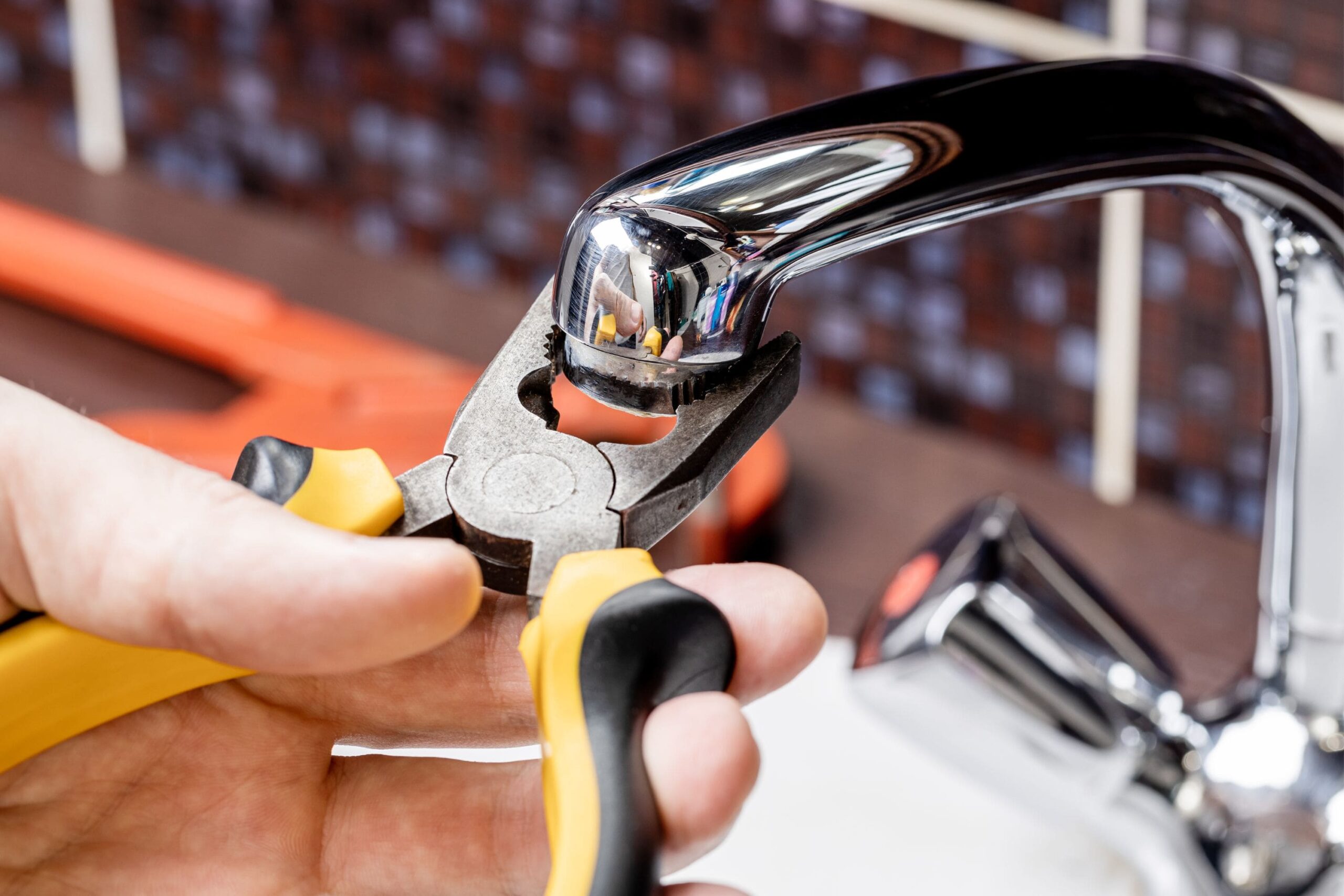
- Pliers
- Utility knife
- Tape measure
- Towel or cloth to catch drips
- Materials:
- Replacement washers or O-rings (available at local hardware stores for about N100 to N200 per piece)
- Plumber’s tape (approximately N400-N600)
- Sealant compound (if necessary, approximately N800-N1500)
- Cleaning materials (vinegar, cloths)
Step-by-Step Guide
Now that you have all the necessary tools and materials, it’s time to fix your leaking tap. Follow these detailed steps:
Step 1: Identify the Type of Faucet
There are several types of faucets commonly found in Nigerian homes, including compression faucets, ball faucets, cartridge faucets, and ceramic disk faucets. Understanding what type you have will determine how you disassemble it. Most homes will feature either a compression faucet or a cartridge faucet.
Step 2: Turn Off Water Supply
Before you start disassembling your faucet, it’s critical to turn off the water supply. You can do this by locating the shut-off valve under the sink. This is usually a small knob that you can turn clockwise. If there isn’t a shut-off valve, turn off the main water supply to the house.
Tip: It’s advisable to open the faucet after turning off the supply to relieve any remaining pressure in the pipes.
Step 3: Remove the Faucet Handle
With your screwdriver, carefully remove the screws holding the faucet handle in place. In some cases, you may need to pop off decorative covers to access the screws. Once removed, gently lift the handle off.
Step 4: Take Out the Nut and Washer
Using your adjustable wrench, loosen the packing nut. Once this is removed, you should see the washer. Check its condition; if it is cracked or damaged, you will need to replace it. Make sure to take the old washer to the local hardware store to ensure you get the right size.
Step 5: Replace the Washer or O-ring
After removing the old washer, place the new washer in the same position as the old one. Ensure it fits snugly. If you are replacing an O-ring, carefully remove the old one and slot in the new one. O-rings are typically used in cartridge faucets and should be replaced if there is any sign of wear.
Step 6: Reassemble the Faucet
Now it’s time to reassemble the faucet. Start by putting the washer and packing nut back in place, followed by the faucet handle. Tighten any screws or bolts securely.
Step 7: Turn On the Water Supply and Test
Once everything is back together, turn the water supply back on. Test your faucet to see if the leak has stopped. Allow the water to run for a few minutes to be sure that the repairs were successful.
Costs and Fees
Here’s a breakdown of the costs you can expect while fixing a leaking tap in Nigeria:
| Item | Estimated Cost (Naira) |
|---|---|
| Washers/O-rings (per piece) | N100 – N200 |
| Plumber’s tape | N400 – N600 |
| Sealant Compound | N800 – N1,500 |
| Miscellaneous tools (if needed) | N1,500 – N5,000 |
In total, fixing a leaking tap could cost you between N1,800 and N7,300, depending on whether any tools need to be purchased or if additional repairs are necessary.
Comparison
For those considering professional plumbing services, here’s a comparison of common service providers and their average prices for tap repairs:
| Service Provider | Estimated Cost (Naira) | Features |
|---|---|---|
| Local Plumber Service | N3,500 – N7,000 | Basic diagnostic and tapping fixing |
| Plumbing Company | N5,000 – N15,000 | Expert consultation, warranty on repairs |
| DIY Option | N1,800 – N7,300 | Cost-effective, control over repairs |
Common Mistakes to Avoid
While tackling plumbing tasks, it’s easy to make mistakes. Here are common pitfalls to avoid:
- Neglecting to turn off the water supply: This can lead to water splashing everywhere and making a mess.
- Using incorrect washer sizes: Ensure you match the old washer with the new one to avoid leaks.
- Not cleaning the faucet components: Dirt can prevent the faucet from sealing properly.
- Over-tightening fittings: This can damage the faucet, leading to future leaks.
Tips and Insider Knowledge
Here are some insider tips that can make your tap-fixing experience smoother:
- Buy washers in bulk: It can save you money in future repairs, as you’ll have spares handy.
- Understand your plumbing system: Knowing your home’s plumbing layout can save time during repairs.
- Use silicone grease on threads: This can prevent rust and allow for easier disassembly in the future.
- Check for other leaks: After fixing one tap, inspect others to prevent future surprises.
Frequently Asked Questions
1. Can a leaking tap cause water damage?
Yes, over time a leaking tap can lead to significant water wastage and potential water damage in areas adjacent to the leak, particularly if it’s in a wall or under a sink.
2. How often should tap washers be replaced?
Generally, it’s good practice to check and replace tap washers every 2-3 years, but this can vary depending on water quality and usage.
3. Is it better to call a plumber or fix it myself?
It depends on your comfort level with DIY projects. If you’re unsure, you might want to consult with a professional to avoid further damage.
4. Are there any special tools required for gallon taps?
Yes, some high-volume taps may require specialized tools that are often not found in a basic toolbox. Check the manufacturer guidelines if you own such a system.
5. What should I do if the leak persists even after replacing the washer?
If the tap continues to leak, the issue may be more complex (like a worn out seat or threading). You might need to consult with a plumbing professional for further assessment.
Conclusion
Dealing with a leaking tap doesn’t have to be a daunting task. With the right tools, materials, and knowledge, you can effectively fix the issue without the need for a professional plumber. This guide provided you with all the essential steps and tips necessary for Nigerians to tackle this common household problem. Remember, timely repairs not only save you money but also contribute to better water conservation in our communities. Good luck, and happy fixing!
