
Introduction
In Nigeria, water scarcity is a prevalent issue that affects millions of households daily. A leaking tap might seem like a trivial inconvenience, but it can lead to wasting a significant amount of water and increasing your utility bills. According to the Nigerian Water Resources Ministry, a leaking tap can waste over 1,000 liters of water per month, significantly impacting both the environment and your finances. Learning how to fix a leaking tap at home can save you money, prevent unnecessary waste, and increase your overall home maintenance skills.
This comprehensive guide aims to empower Nigerians with the knowledge and tools needed to repair a leaking tap, addressing common problems, detailing step-by-step instructions, and providing insider tips that only experienced professionals would know. We will walk you through everything from the materials you need to the specific steps involved, ensuring you gain the confidence to tackle this repair yourself.
Whether you’re a DIY enthusiast or a homeowner looking to save costs, this guide will provide valuable insights tailored for Nigeria. Expect to learn about the necessary tools, costs involved in repairing taps, common mistakes to avoid, and much more. By the end of this article, you’ll be well-equipped to resolve any leaking tap issues in your home.
What You Need
Before diving into the repair process, it’s essential to gather all necessary tools and materials. Here’s what you’ll need:
- Tools
- Adjustable Wrench: Cost is around N1,500 – N3,000
- Screwdriver Set: Typically N1,000 – N2,500
- Plumber’s Tape: Priced at approximately N300 – N700
- Pliers: Ranges from N800 – N2,000
- Bucket or Bowl: Can be obtained for N500 – N1,500
- Materials
- Replacement Washers: Usually costs around N200 – N1,000 depending on the quality and brand
- Replacement O-Rings: Priced approximately at N500
- Replacement Cartridge (if applicable): Ranges from N1,500 – N4,000
- Sealant or Caulk: Approximately N700 – N1,500
Step-by-Step Guide
Now that we have gathered all the necessary tools and materials, let’s go through a detailed step-by-step guide to fixing a leaking tap.
Step 1: Identify the Type of Tap
Before proceeding, determine the type of tap you have. Common tap types in Nigeria include compression taps, cartridge taps, ball taps, and disc taps. Each type has a different internal mechanism, so identifying your tap will guide the repair process.
Step 2: Gather Your Tools and Prepare the Area
Place a bucket or bowl beneath the tap to catch any dripping water. Gather your tools within arm’s reach. Ensure that the work area is dry to avoid slipping, especially if handling tools like screwdrivers.
Step 3: Turn Off the Water Supply
Locate the shut-off valves under the sink and turn them clockwise to shut off the water supply. If you cannot find the shut-off valve, you may have to turn off the main water supply to your home. Wait a few minutes for any residual water to drain.
Step 4: Remove the Tap Handle
Using a screwdriver, unscrew the handle of the tap. If there’s a decorative cap, you may need to pry it off gently to access the screw. Once the screw is removed, lift the handle off carefully.
Step 5: Disassemble the Tap**
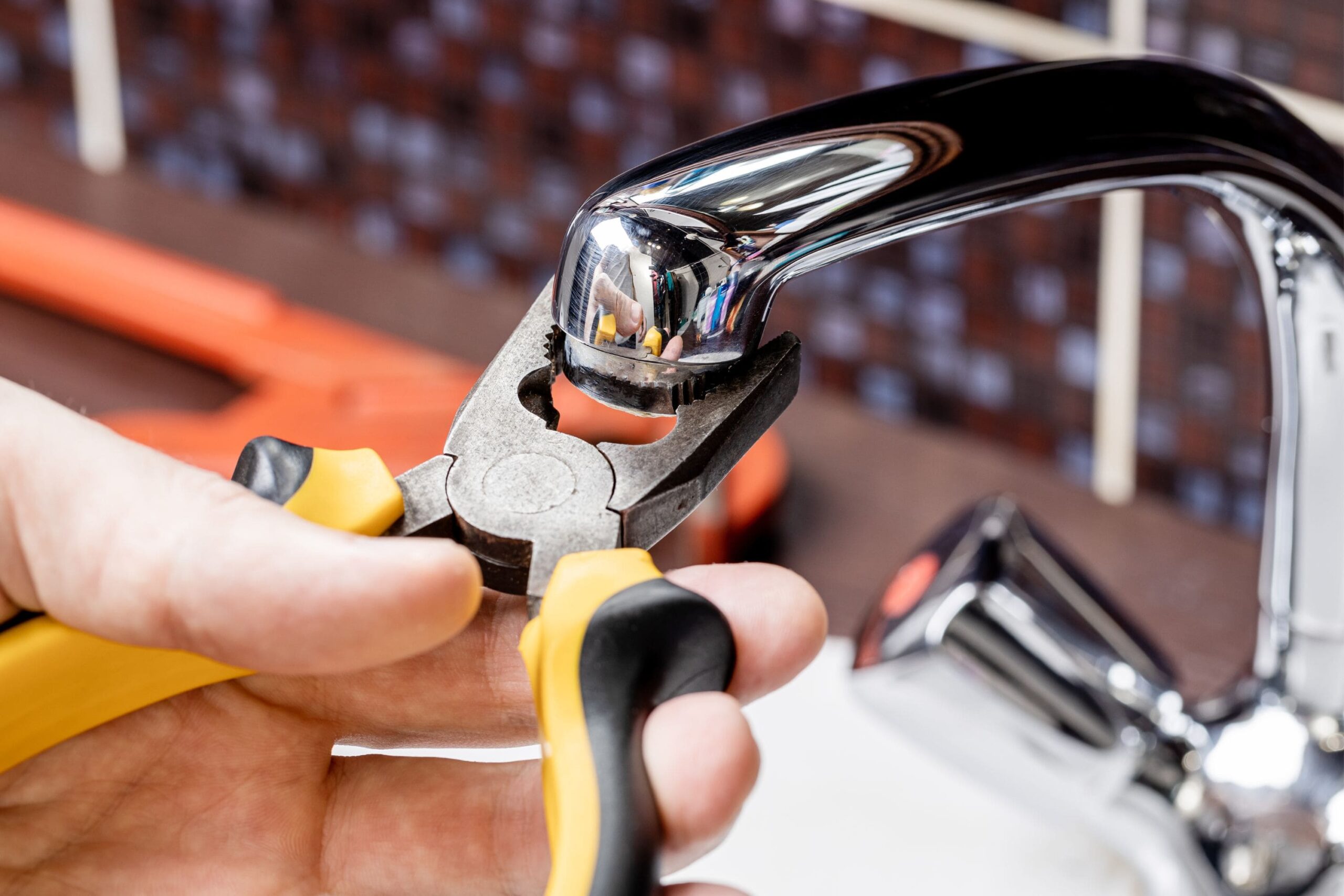
Depending on the type of tap, you will need to remove the retaining clip, nut, or cover to access the internal components. Use your adjustable wrench or pliers for this step, ensuring you don’t apply too much pressure that could damage the components.
Step 6: Inspect and Replace Faulty Parts
Examine the washer, O-ring, or cartridge for signs of wear. If any parts appear damaged or worn out, replace them with new ones. It’s advisable to take the old parts to a plumbing store to get an exact match. The cost for a complete replacement set typically ranges from N200 – N1,500, depending on the brand.
Step 7: Reassemble the Tap
After replacing the damaged parts, carefully reassemble the tap in the reverse order of disassembly. Ensure that all screws and nuts are tightened adequately but avoid overtightening, which can cause damage. Once reassembled, use plumber’s tape on the threads for a better seal.
Step 8: Turn the Water Supply Back On
Slowly turn the shut-off valve back on and check for leaks around the tap. If there are any leaks, you may need to disassemble and recheck your assembly. Once confirmed leak-free, your job is complete!
Costs and Fees
Understanding the overall costs involved in repairing a leaking tap is crucial for budgeting. Below is a breakdown of potential costs you might incur:
| Item | Estimated Cost (Naira) |
|---|---|
| Adjustable Wrench | 1,500 – 3,000 |
| Screwdriver Set | 1,000 – 2,500 |
| Plumber’s Tape | 300 – 700 |
| Pliers | 800 – 2,000 |
| Replacement Washers | 200 – 1,000 |
| Replacement O-Rings | 500 |
| Replacement Cartridge (if applicable) | 1,500 – 4,000 |
| Sealant or Caulk | 700 – 1,500 |
The total cost can range from approximately N5,000 to N15,000 depending on what needs to be replaced and the tools you might already own.
Comparison
When it comes to purchasing replacement parts, various brands are available in the Nigerian market. Here’s a comparison table of common replacement parts provided by local suppliers:
| Brand | Type | Price Range (Naira) | Availability |
|---|---|---|---|
| JAGUAR | Cartridge | 1,800 – 4,000 | Major plumbing stores |
| OANDO | Washers/O-rings | 200 – 700 | Local hardware stores |
| AMAZONIA | Plumbers Tape | 300 – 600 | Online/Local stores |
| KELECHIS | Sealant | 500 – 1,500 | Home improvement shops |
Choosing quality brands may cost more upfront but can save you from future repairs due to faulty components.
Common Mistakes to Avoid
When attempting to fix a leaking tap, many Nigerians make several common mistakes. Being aware of these can help you complete your repair successfully:
- Not Turning Off the Water Supply: Failing to do this can lead to water gushing everywhere when you start disassembling the tap.
- Using Incorrect Tools: Using the wrong size wrench or screwdriver can damage the fittings, making the situation worse.
- Ignoring Corrosion: If you notice rust or corrosion on the nuts and valves, replace them. Ignoring this can lead to leaks even after repairs.
- Over-tightening: Many people tighten components too much. This can crack faucets or lead to misalignments in sealing.
- Assuming All Taps Are the Same: Different types of taps have different mechanisms. Make sure you understand which type you’re dealing with.
Tips and Insider Knowledge
Here are some insider tips that can help make your tap repair easier and more efficient:
- Use a Hairdryer: If a faucet is stuck due to lime and mineral deposits, applying heat with a hairdryer can help loosen it.
- Test for Leaks: After fixing the tap, allow it to run for a few minutes and check for leaks while monitoring water flow and pressure.
- Keep Extra Parts: It’s wise to keep spare washers, O-rings, and cartridges at home for future repairs. It could save you time and hassle.
- Buy Quality Tools: Consider investing in quality tools—it’ll make the job easier and can last longer than cheap alternatives.
- Maintain Regular Checks: Regularly inspect your taps and plumbing fixtures to catch minor issues before they become major problems.
Frequently Asked Questions
1. How long does it take to fix a leaking tap?
The repair generally takes about 30 minutes to an hour, depending on your experience and the extent of the damage.
2. Do I need a plumber to fix a leaking tap?
No, fixing a leaking tap can be a DIY task if you have the proper tools and follow the right steps. However, if you feel uncomfortable, you might want to hire a professional.
3. Can I replace just the washer in my tap?
Yes, you can replace just the washer if it’s worn out. However, if you notice other issues like corrosion or wear in different components, replacing those is advisable.
4. Where can I buy replacement tap parts in Nigeria?
Replacement parts can be found in local hardware stores, plumbing shops, or online marketplaces such as Jumia or Konga.
5. What if my tap is still leaking after I fix it?
If the tap continues to leak, it may indicate a deeper mechanical issue, necessitating a complete replacement of the tap or further repairs beyond washers and O-rings.
Conclusion
Fixing a leaking tap is not just a necessary home maintenance task, but it can also empower you with the skills to tackle future plumbing issues. With the right tools, materials, and knowledge, you can save yourself the costs associated with hiring a plumber and conserve precious water in Nigeria. Remember to stay patient and thorough during the repair process, ensuring you adhere to all steps carefully for the best results.
