
Introduction
Imagine turning on your tap for a refreshing drink, but instead of the smooth flow of water, what you hear is a continuous drip-drip-drip sound. An irritating leaky tap may seem like a minor inconvenience, but it can quickly lead to higher water bills, potential water damage, and persistent annoyance in your home. With the increasing cost of living in Nigeria, particularly in 2026, addressing such small issues efficiently at home has become crucial for many Nigerians wanting to save on expenses.
In this comprehensive guide, we will explore how to fix a leaking tap at home in Nigeria effectively. From the tools and materials you will need to step-by-step instructions, we will ensure that you have all the knowledge necessary to tackle this common household problem. You’ll not only learn how to resolve the issue, but you’ll gain insight into the costs involved, common mistakes to avoid, and tips that could elevate your DIY skills.
Whether you are a novice or someone who enjoys home repairs, this guide is tailored to help you diagnose and fix your leaking tap without necessarily calling a plumber. By learning these skills, you can save money and also enhance the comfort of your home.
What You Need
Before diving into the repair process, it’s essential to gather all the necessary tools and materials. This thorough preparation will save you time and avoid unnecessary trips to the store.
Materials Required:
– Replacement washer: Costs between N100 and N500 (depending on size and type)
– O-rings: Costs between N200 and N800
– Teflon tape: Costs around N150
– Plumber’s grease: Costs about N1,000
– Replacement tap or faucet (if needed): Between N3,000 and N15,000 depending on the type and brand
Tools Required:
– Adjustable wrench
– Screwdriver set (flat-head and Phillips)
– Bowl or cloth (to catch any dripping water)
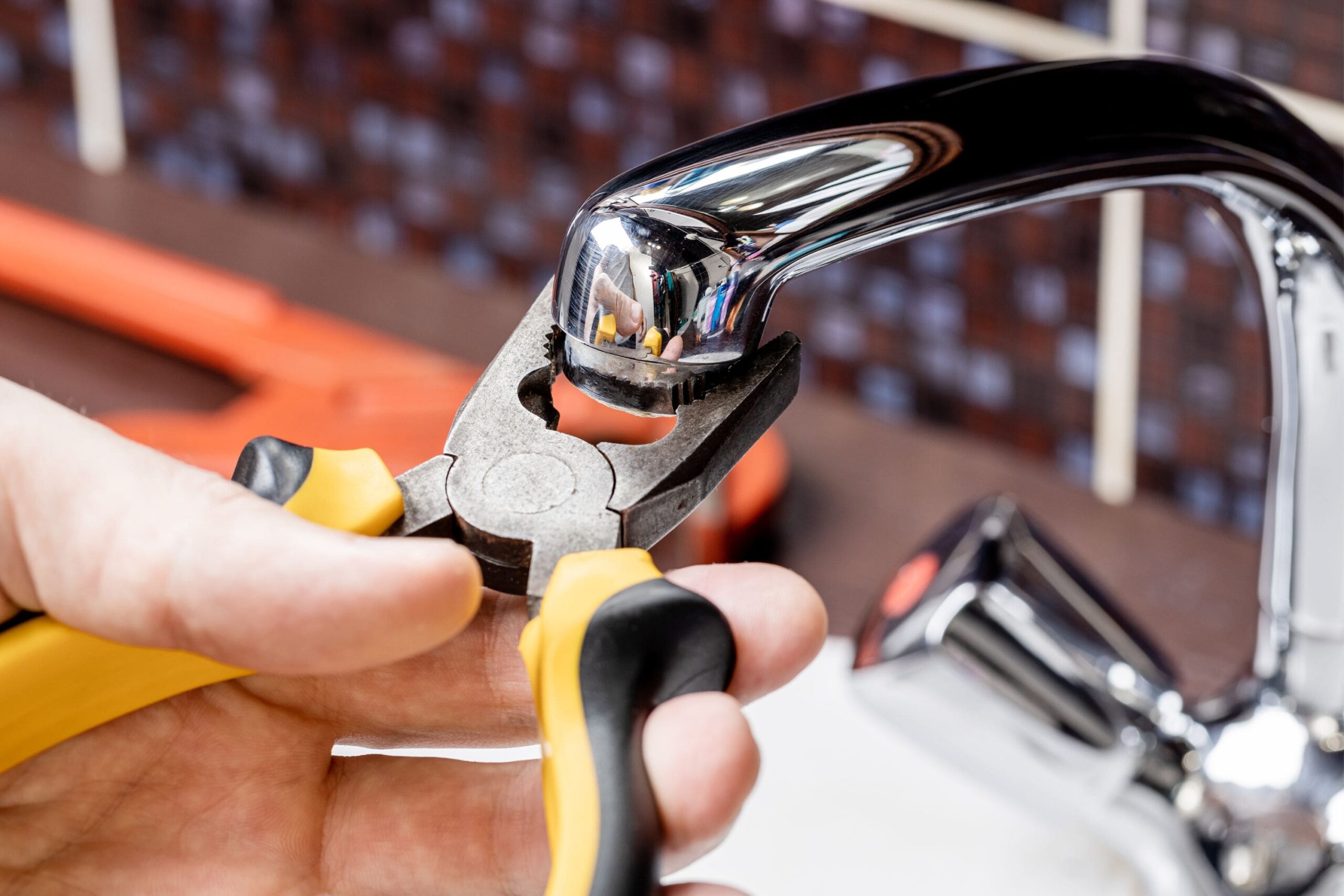
– Pliers
– Safety goggles (for eye protection)
Important Documents/Permits:
Generally, no special permits are needed to fix a leaking tap in Nigeria, making this a truly DIY-friendly task.
Step-by-Step Guide
Now that you have everything needed for the repair, let’s walk through the process step by step.
Step 1: Turn Off the Water Supply
First, locate the water supply valve connected to the leaking tap. This valve is usually found under the sink. Turn it clockwise to close it, thereby stopping the water flow. Confirm that no water is coming from the tap.
Step 2: Drain the Tap
To ensure the area is dry, turn on the tap and allow any remaining water to drain out. This also relieves any pressure build-up within the plumbing.
Step 3: Remove the Faucet Handle
Using a screwdriver, remove the screws fastening the faucet handle. If your faucet has decorative caps, gently pry them off to access the screws beneath. After removing the screws, lift the handle off the faucet. If it’s stuck, you can gently wiggle it back and forth to loosen it.
Step 4: Unscrew the Packing Nut
Once the handle is removed, you will see a packing nut. Use an adjustable wrench to unscrew it. Be careful as overtightening can damage the faucet. Use a cloth to cover the wrench’s jaws, preventing scratches.
Step 5: Check the Washer and O-ring
With the packing nut removed, pull out the tap assembly. Inspect the rubber washer and O-ring for wear and tear; these are usually the culprits of a leaking tap. If they appear damaged, replace them with new ones which you purchased earlier.
Step 6: Reassemble the Faucet
Apply plumber’s grease on the new washer and O-ring to ensure better sealing. Carefully reassemble the faucet by reversing the steps taken for disassembly. Make sure not to overtighten the screws to avoid further damage.
Step 7: Turn On the Water Supply
With everything put back together, slowly turn the water supply back on. Test the faucet to see if the leak has stopped. Observe for a few minutes to ensure there are no additional dripping sounds.
Costs and Fees
Here’s a breakdown of the costs involved in fixing a leaking tap in Nigeria in 2026:
| **Item** | **Estimated Cost (₦)** |
|————————|————————|
| Replacement washer | 100 – 500 |
| O-rings | 200 – 800 |
| Teflon tape | 150 |
| Plumber’s grease | 1,000 |
| Replacement faucet | 3,000 – 15,000 |
| **Total Estimated Cost**| 1,600 – 18,450 |
As illustrated, fixing a leaking tap can be fairly affordable, especially when you consider the potential savings in water bills.
Comparison
In Nigeria, there are many brands to choose from when looking for replacement parts for your faucet. Here is a brief comparison:
| Brand | Type | Price Range (₦) | Availability |
|---|---|---|---|
| Grohe | Faucet and parts | 10,000 – 25,000 | Widely Available |
| Jovial | Washers and O-rings | 200 – 700 | Local hardware stores |
| Ikoja | Faucet repair kit | 1,500 – 5,000 | Online & Retail |
| Access Plumbing | Faucets | 5,000 – 15,000 | Local markets |
This comparison gives you insights into the various options available when looking for replacement parts or complete taps.
Common Mistakes to Avoid
Here are some common mistakes that Nigerians make when fixing a leaking tap, along with how to avoid them:
- Not turning off the water supply: Always ensure the water supply is completely turned off to avoid mess and unnecessary water wastage.
- Overtightening screws: Be mindful not to overtighten screws and nuts as this could lead to breakage. Hand-tightening is generally sufficient.
- Ignoring the water pressure: High water pressure can lead to recurrent leaks. Check if the water pressure in your home is at a manageable level.
- Using incompatible parts: Always ensure you purchase the correct size and type of washers and O-rings. Carry the old parts with you to the store for comparison.
- Skipping lubrication: Forgetting to apply plumber’s grease can lead to a poor seal. Always use it for assembly.
Tips and Insider Knowledge
Here are some insider tips that can help you become more proficient at tap repairs:
- Shop in Local Markets: Local markets often provide cheaper options for plumbing materials compared to larger outlets. Argue prices and ask for bulk discounts.
- Use the Correct Tools: Leveraging proper tools can simplify the repair process. If you don’t own an adjustable wrench, consider borrowing from a neighbor first to save costs.
- Routine Maintenance: To prevent leaks, practice routine maintenance checks on all faucets in your home. This can help catch issues before they become major problems.
- Community Advice: Join local community groups that discuss home repairs. Fellow Nigerians may have valuable insights or tips based on their experiences.
- Document your process: Save notes or pictures of your repair process to reference in the future. This can be a helpful guide if issues arise again.
Frequently Asked Questions
- What are the main causes of a leaking tap?
Over time, washers and O-rings can wear out, leading to leaks. Additionally, corrosion can cause faucet parts to crack, contributing to leaks. - How do I know if I need a new faucet?
If your faucet continuously leaks even after replacing washers and O-rings or if you notice significant corrosion, replacement may be necessary. - Can I fix a leaking tap without any prior experience?
Yes! This guide provides a step-by-step method that is easy to follow, even for novices. However, ensure to be cautious and patient. - Are there professional services available if my DIY fails?
Yes, you can consider hiring professional plumbers. Their services in Nigeria range widely, from N2,000 to N10,000 depending on the complexity of the job. - How long does it usually take to fix a leaking tap?
A typical repair should take between 30 minutes to 1 hour if you have all materials ready and follow the steps accurately.
Conclusion
Fixing a leaking tap at home in Nigeria not only saves money but also empowers you with essential DIY skills. By following this detailed guide, you can efficiently address this common household issue without the need for professional intervention. Remember to gather all necessary materials, avoid common mistakes, and employ the suggested tips for the best results. With a bit of patience and practice, you’ll soon be able to fix more complex household problems in the future.
