
Introduction
Leaking taps can be a frustrating nuisance in any home, but for many Nigerians, the problem goes beyond mere inconvenience; it can lead to skyrocketing water bills and wasted resources. Understanding how to tackle this common issue is essential not just for saving money, but also for the sustainability of water resources in our environment.
This comprehensive guide will provide Nigerians with all the information needed to fix a leaking tap at home, ensuring practical knowledge is available at your fingertips. From identifying the source of the leak to detailed step-by-step instructions, you will learn everything you need to know to become your own plumber. By the end of this article, you’ll be empowered to take on this DIY project with confidence.
Moreover, addressing minor plumbing issues like a faucet leak can also help foster a culture of self-reliance, a quality that can be especially valuable in a country where professional services are often limited by availability or affordability. Whether you are in bustling Lagos or a serene location in the North, this guide is tailored for every Nigerian home.
What You Need
Before embarking on your DIY repair journey, gather all necessary tools and materials. Here’s a comprehensive list:
- Tools:
- Adjustable wrench
- Screwdriver (flathead and Phillips)
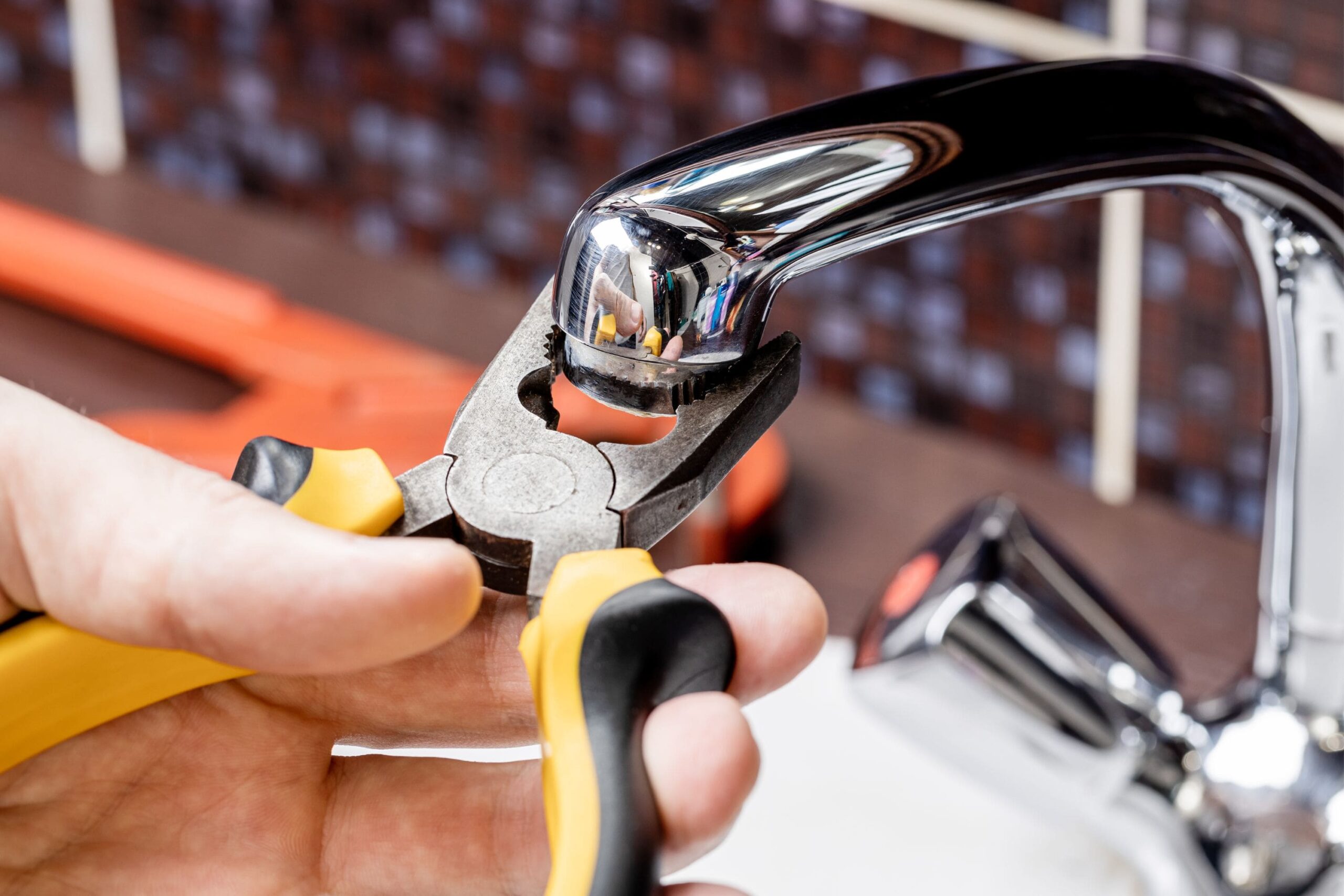
- Pliers
- Tape measure
- Bucket or bowl (to catch water)
- Rags or towels (for cleanup)
- Materials:
- Replacement washers (size 12mm is common)
- O-rings (if your tap uses them)
- Grease (plumber’s grease or silicone grease)
- Plumbing tape (Teflon tape)
- Costs:
- Tools: Costs can range from N1,200 to N5,000, depending on quality and brand.
- Materials: Basic materials can range between N1,000 and N3,000, depending on your location.
- Professional plumbing assistance: If needed, services in Nigeria typically range from N5,000 to N15,000.
Step-by-Step Guide
Here’s a detailed step-by-step guide on how to fix a leaking tap:
Step 1: Shut Off the Water Supply
Before starting any repair, ensure that you shut off the water supply to the tap. This is usually done at the main valve, located under the sink or in your home’s plumbing system. If you’re unsure where it is, locate your property’s water meter, which often includes a shut-off valve.
Step 2: Prepare for Water to Drain
Open the tap to allow any remaining water to drain. This will minimize mess once you begin working on the faucet.
Step 3: Remove the Tap Handle
Using a screwdriver, remove any screws holding the handle in place. Some taps may have a cap that you’ll need to pry off to access the screws. Once unscrewed, gently lift off the handle.
Step 4: Take Off the Nut Cover
Once the handle is off, look for a nut or cap that may cover the valve seat or washer. This is typically made of brass or metal. Use your adjustable wrench to carefully unscrew it. Be cautious not to apply excessive force, as this can damage the faucet.
Step 5: Inspect and Replace the Washer or O-ring
After accessing the valve seat, you should find the washer or O-ring. Inspect these components for wear and tear. If they are damaged, replace them with a new washer or O-ring of the same size (12mm is commonly needed). Ensure that it fits snugly before reassembly.
Step 6: Reassemble the Tap
Once the washer or O-ring has been replaced, reattach the nut cover and tap handle securely. Make sure everything is tightened sufficiently to prevent future leaks.
Step 7: Test for Leakage
Turn the main water supply back on, and slowly open the tap to check for leaks. Observe closely for any dripping; if leaks persist, revisit the steps to ensure all components are properly installed.
Costs and Fees
Understanding the cost implications is critical when fixing a leaking tap. Here is a detailed breakdown:
- Tools: N1,200 – N5,000
- Materials:
- Replacement washers: N200 – N600
- O-rings: N300 – N800
- Grease: N300 – N1,000
- Plumbing tape: N150 – N500
- Professional plumbing service: N5,000 – N15,000 (if opted)
Total Cost Expectation: If you undertake this DIY project alone, expect to spend between N2,000 and N6,000 for tools and materials.
Comparison
| Item | DIY Cost | Professional Plumbing Cost |
|---|---|---|
| Tools | N1,200 – N5,000 | N0 |
| Replacement Washers | N200 – N600 | N0 |
| O-rings | N300 – N800 | N0 |
| Grease | N300 – N1,000 | N0 |
| Plumbing Tape | N150 – N500 | N0 |
| Professional Service | N0 | N5,000 – N15,000 |
| Total Estimated Cost | N2,000 – N6,000 | N5,000 – N15,000 |
Common Mistakes to Avoid
While fixing a leaking tap might seem straightforward, several common mistakes can hinder your repair efforts:
- Ignoring washer size: Ensure you replace old washers with the same size to prevent continued leakage.
- Over-tightening: Excessive force can damage internal components and lead to further leaks. Tightening should only be finger-tight unless specified otherwise.
- Failure to clean: Dirt and debris can obstruct effective sealing, leading to leaks. Always clean the area before replacing washers.
- Neglecting the O-rings: Many taps use O-rings. Ignoring these can result in leaks, so inspect and replace them during your repair.
- Not testing properly: Following reassembly, ensure you thoroughly check for leaks. It’s easy to miss minor leaks that could worsen over time.
Tips and Insider Knowledge
Here are some insider tips to make your DIY experience smoother:
- Leakage reduction: Use plumber’s grease on new washers to enhance sealing and extend their lifespan.
- Keep spares: Always have spare washers and O-rings on hand to expedite repairs in the future without urgent shopping trips.
- Regular checks: Consistently check your taps, especially after heavy usage. Early detection can ease repair efforts and reduce costs.
- Locale knowledge: Engaging with local hardware stores can not only yield the best prices but you can gain valuable insights and recommendations on quality materials.
- Community support: Utilize community forums like Nairaland for additional tips from fellow Nigerians who’ve tackled similar plumbing issues.
Frequently Asked Questions
1. How do I know if my tap needs to be fixed?
If you notice water pooling around the base of the tap, dripping sounds, or water flow that is weaker than usual, these are indicators that your tap may need attention.
2. Can I really fix it myself?
Yes! With the right tools and this guide, most Nigerians can successfully repair a leaking tap. Don’t hesitate to consult videos or local forums for additional visual guidance.
3. What tools do I need for the job?
Basic tools include an adjustable wrench, screwdrivers, and pliers, which you might already have at home. Local stores also provide these tools at reasonable prices.
4. How much should it cost to hire a plumber in Nigeria?
Hiring a plumber in Nigeria typically costs between N5,000 to N15,000, depending on the location and complexity of the job.
5. Is there a quick fix for a tap leak?
A temporary fix can involve tightening the tap handle or applying plumber’s tape around the valve. However, for a permanent solution, replacing washers or seals is necessary.
Conclusion
In conclusion, learning how to fix a leaking tap at home in Nigeria can save you time and money, while also contributing to more responsible water usage. With the right information, tools, and materials, you can tackle this common household issue confidently. Remember, taking the DIY approach not only aids in personal growth but also inspires a sense of community and resourcefulness within your locality.
