
Introduction
In Nigeria, having a leaking tap is more than just an inconvenience; it’s a waste of valuable resources and money. Water is a critical commodity, especially in many regions where access can be sporadic and expensive. The sound of dripping water can be unbearable, not to mention the hike in your monthly water bill. In a country where water scarcity is a pressing issue, being able to fix a leaking tap at home is not only economically wise but also environmentally responsible.
This blog post will provide you with a detailed, step-by-step guide on how to fix a leaking tap at home in Nigeria. We’ll cover everything you need to know, including requirements, costs, common mistakes, and tips that only seasoned Nigerians would know. Whether you are a novice or have some experience with DIY fixes, this guide will help you take care of that pesky leak effectively.
By the end of this guide, you will have all the knowledge to tackle the problem of a leaking tap, save money in the long run, and contribute to wiser water usage practices in your household. Let’s dive in and learn how to take control of your plumbing situation today!
What You Need
Before you embark on this DIY adventure, it’s crucial to gather all necessary materials and tools. Below is a comprehensive list of everything you will need to successfully fix a leaking tap at home.
Materials Required
- Replacement Washers: Typically, a standard washer costs between N200 and N500, depending on the brand and size (12mm and 10mm are most common).
- O-Ring: This seals connections to prevent leaks and costs around N150 to N400.
- Plumber’s Tape: Also known as Teflon tape, it costs about N300 and is crucial for sealing threaded connections.
- New Tap Head (if necessary): Replacing the entire head may be needed; prices range from N4,000 to N15,000 based on the model.
Tools Needed
- Screwdriver: A Phillips or flat-head, depending on your tap’s screws.
- Adjustable Wrench: Essential for loosening and tightening fittings.
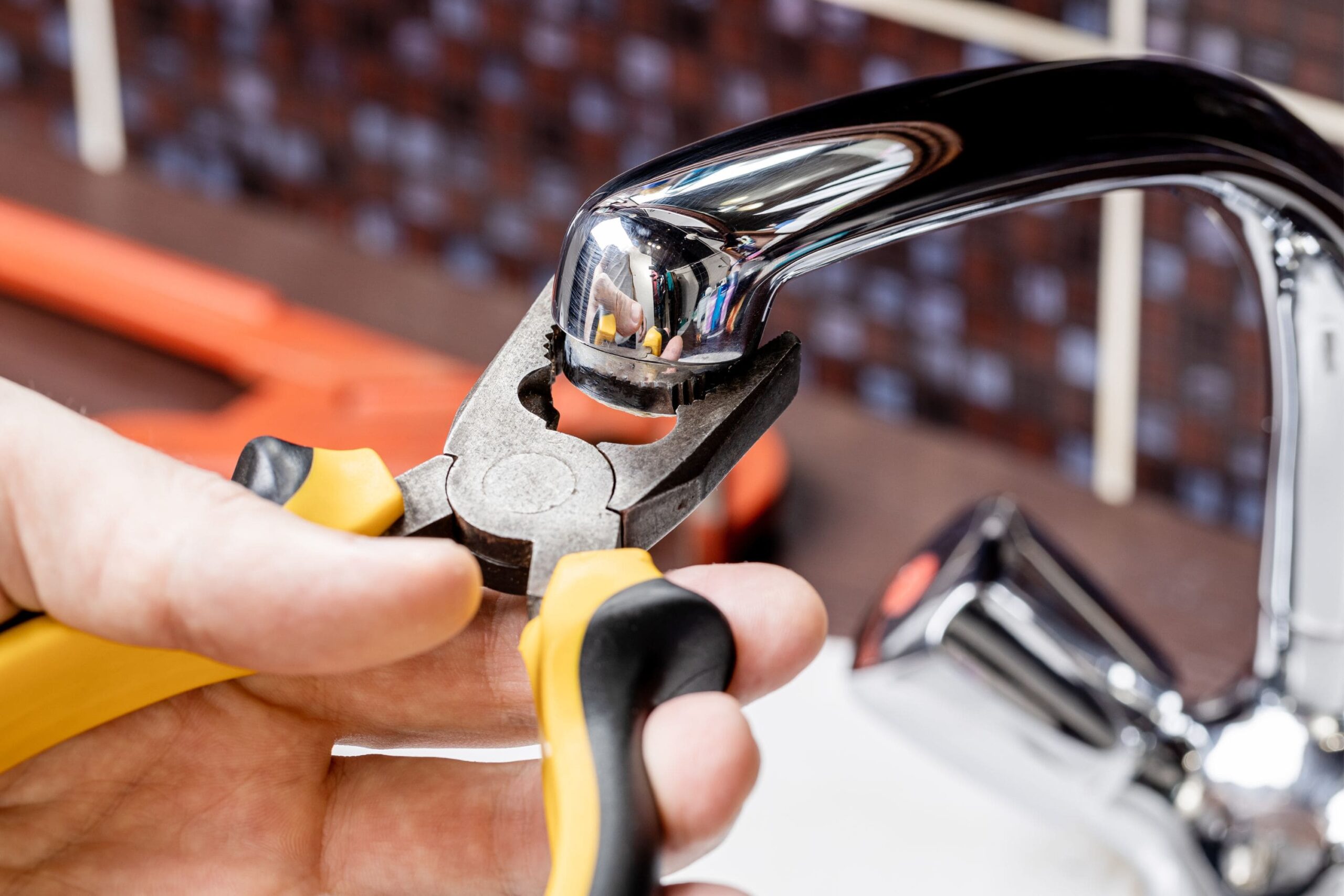
- Pliers: Useful for gripping and turning small components.
- Bucket or Towel: To catch any water that may spill during repairs.
Safety Gear
- Gloves: Rubber gloves can protect your hands from sharp edges and dirt.
- Safety Glasses: Important to protect your eyes while working.
Prerequisites
Before you start, ensure you have access to a stable water source to rinse your materials, and check for the water shut-off valve near your tap to prevent flooding while you work.
Step-by-Step Guide
Step 1: Turn Off the Water Supply
Before doing any repairs, it’s essential to stop the water flow. Locate the water shut-off valve, usually found under the sink, and turn it clockwise to close it. If your tap is connected to the general water supply, you may need to turn off the main water supply at the meter. This will prevent any water leakage while you work.
Step 2: Prepare Your Workspace
Place a bucket or towel under the tap to catch any residual water. This ensures a tidy workspace and prevents mess. Organize your tools within reach so you don’t have to pause the process searching for them.
Step 3: Remove the Handle of the Tap
Most taps have decorative caps; pry these off gently using a flat screwdriver to reveal the screws. Use your screwdriver to remove the screws and lift the handle off. Take note of how you remove the handle, as you will need to reverse this to reassemble.
Step 4: Take Off the Nut and Washer
Using an adjustable wrench, carefully loosen the nut holding the tap in place. Once the nut is off, look for the washer seat, usually made of rubber or plastic. Remove this seat carefully to avoid damaging the threads of the tap.
Step 5: Inspect and Replace Faulty Components
Check the condition of the washer and O-ring. Signs of wear include cracks, tears, or a misshapen structure. If they appear damaged, replace them with new ones. Remember to buy the right size that fits your tap model. Additionally, apply plumber’s tape to threads that could potentially leak when reassembled.
Step 6: Reassemble the Tap
Particularly important in maintaining a proper seal. Reverse the steps taken to install the tap handle and nut, ensuring everything is fitted tightly but not overly tight (which can cause damage). Be careful when tightening, applying smooth, steady pressure.
Step 7: Turn on the Water Supply and Test
With everything back in place, slowly turn the water supply back on to check for leaks. Open the tap to flush out any air in the line, and observe for leaks around the new washer or nut. If you see any leaks, turn off the water and repeat the earlier steps to ensure everything is correctly sealed.
Costs and Fees
Understanding the financial implications of this DIY project can help you budget effectively. Here’s a breakdown of common costs associated with fixing a leaking tap in Nigeria as of 2026:
| Item | Cost (Naira) |
|---|---|
| Standard Washers | 200 – 500 |
| O-Ring | 150 – 400 |
| Plumber’s Tape | 300 |
| New Tap Head | 4,000 – 15,000 |
| Miscellaneous Tools (Screwdriver, Wrench) | 1,000 – 5,000 |
Total expected costs could range from a minimum of N1,650 to a maximum of N21,900, depending on whether you are replacing components or buying tools.
Comparison
When choosing materials and components for fixing a leaking tap, it’s important to consider different brands and products available in Nigeria. Below is a comparison table highlighting a few popular options:
| Brand | Type | Price (Naira) | Where to Buy |
|---|---|---|---|
| Jumia | Standard Washers | 250 | Online |
| Home Depot | O-Ring Pack | 370 | In-Store |
| Local Hardware Stores | Plumber’s Tape | 300 | In-Store |
| Viva | Fast Fix Tap Head | 6,500 | Online |
Common Mistakes to Avoid
Many inexperienced DIYers make errors that can worsen the situation when attempting to fix a leaking tap:
- Not Shutting Off the Water Supply: This can lead to floods and damage to your flooring.
- Over-Tightening Connections: Doing so can strip the threading and create new leaks.
- Forgetting to Replace Washers: Using old washers doesn’t solve the problem and may lead to recurring leaks.
- Improperly Securing Parts: Ensure all parts are secured to prevent leaks; follow the reassembly steps carefully.
Tips and Insider Knowledge
Here are some insider tips that can streamline your tap repair project:
- Consider Buying Washers in Bulk: This is often cheaper and ensures you have replacements on hand for future repairs.
- Use Vinegar for Stains: If your faucet has mineral deposits, soaking it in a vinegar solution can clean it effectively before making repairs.
- Invest in Quality Parts: Sometimes, it’s worth spending a bit more on durable parts to ensure long-term use, reducing future repair needs.
- Consult Local Plumbers: Speak to local plumbers to gain knowledge about durable tap brands and models suitable for Nigerian homes.
Frequently Asked Questions
Q1: How can I tell if my tap is really leaking?
A leaking tap often drips water visibly and may produce a constant sound of running water. You can also check the area under the sink or surrounding the tap for signs of moisture.
Q2: Can I fix a leaking tap without any plumbing experience?
Yes, with the right tools and following the steps in this guide, even individuals with minimal plumbing experience can fix a leaking tap successfully.
Q3: How long will the repair take?
The repair can take as little as 30 minutes to an hour, depending on your familiarity with the process and the severity of the leak.
Q4: What if replacing the washer doesn’t fix the leak?
If replacing the washer doesn’t fix the issue, you may have a more serious plumbing problem that could require professional help, such as corroded pipes or a faulty tap head.
Q5: Are there any environmental benefits to fixing a leaking tap?
Yes, fixing a leaking tap prevents water wastage and promotes more sustainable water usage, which is particularly important in regions where water supplies are limited.
Conclusion
Fixing a leaking tap at home in Nigeria is a straightforward process that not only saves you money but also conserves precious water resources. With the steps and information detailed in this guide, you have everything you need to tackle that leak efficiently. Remember to take your time, ensure all components are correctly fitted, and don’t hesitate to consult professionals if needed. Happy DIY!
