
Introduction
Have you ever experienced the constant annoyance of a leaking tap at home? If you live in Nigeria, this issue is more than just a minor inconvenience; it has significant implications for water conservation, utility bills, and home maintenance. Water scarcity is a pressing issue in many regions across Nigeria, making it crucial for every household to be vigilant and proactive in managing their water usage. Fixing a leaking tap is a skill that can save you not only money but also precious water resources.
In this comprehensive guide, we’ll explore how to fix a leaking tap at home in Nigeria using simple tools and techniques that anyone can master. You will learn about the common types of taps, materials needed for repairs, and detailed step-by-step instructions to solve this household problem effectively. Whether you are tackling this task yourself for the first time or looking to refine your DIY skills, this post will empower you with practical advice tailored specifically for Nigerians.
By the end of this guide, you’ll not only know the process of fixing a leaking tap but will also understand the costs involved, the common mistakes to avoid, and valuable insider tips born from local experiences. Whether it’s in bustling Lagos, serene Enugu, or anywhere in between, fixing a leaking tap is a skill that can enhance your home and save you from unnecessary expenditure.
What You Need
Before getting started on fixing your leaking tap, gathering all the necessary materials and tools is crucial. Here’s a comprehensive list of what you’ll need:
- Tools:
- Adjustable wrench
- Phillips and flathead screwdrivers
- Plumber’s tape (Teflon tape)
- Pliers
- Materials:
- Replacement washer (commonly 12mm or as per tap type)
- O-ring (if applicable)
- Silicone grease (optional for smooth movement)
- Bucket or bowl (for catching water)
Cost of Materials
The total cost of these materials can range between **₦3,000** and **₦10,000** in 2026, depending on where you purchase them. Common supply stores and hardware shops such as **Sokoto Market** or **Alaba International Market** offer affordable prices. Always check multiple locations for the best deals.
Step-by-Step Guide
Fixing a leaking tap is a straightforward process that can usually be done within an hour if you have all the materials at hand. Follow these steps for a successful repair:
Step 1: Identify the Type of Tap
Different types of taps include ball faucets, cartridge faucets, compression faucets, and disc faucets. Understanding the type you are dealing with is critical as it influences how you approach the repair. Compression taps, often found in older homes, are more prone to leaks.
Step 2: Turn Off the Water Supply
Before you begin repairing the tap, ensure to turn off the water supply to avoid any flooding. This is often done at the main valve, which can be typically found under the sink or close to it.
Step 3: Drain Remaining Water
After turning off the supply, let the tap run for a few seconds to empty any remaining water in the pipes. Place a bucket or bowl underneath the tap to catch any drips during the repair process.
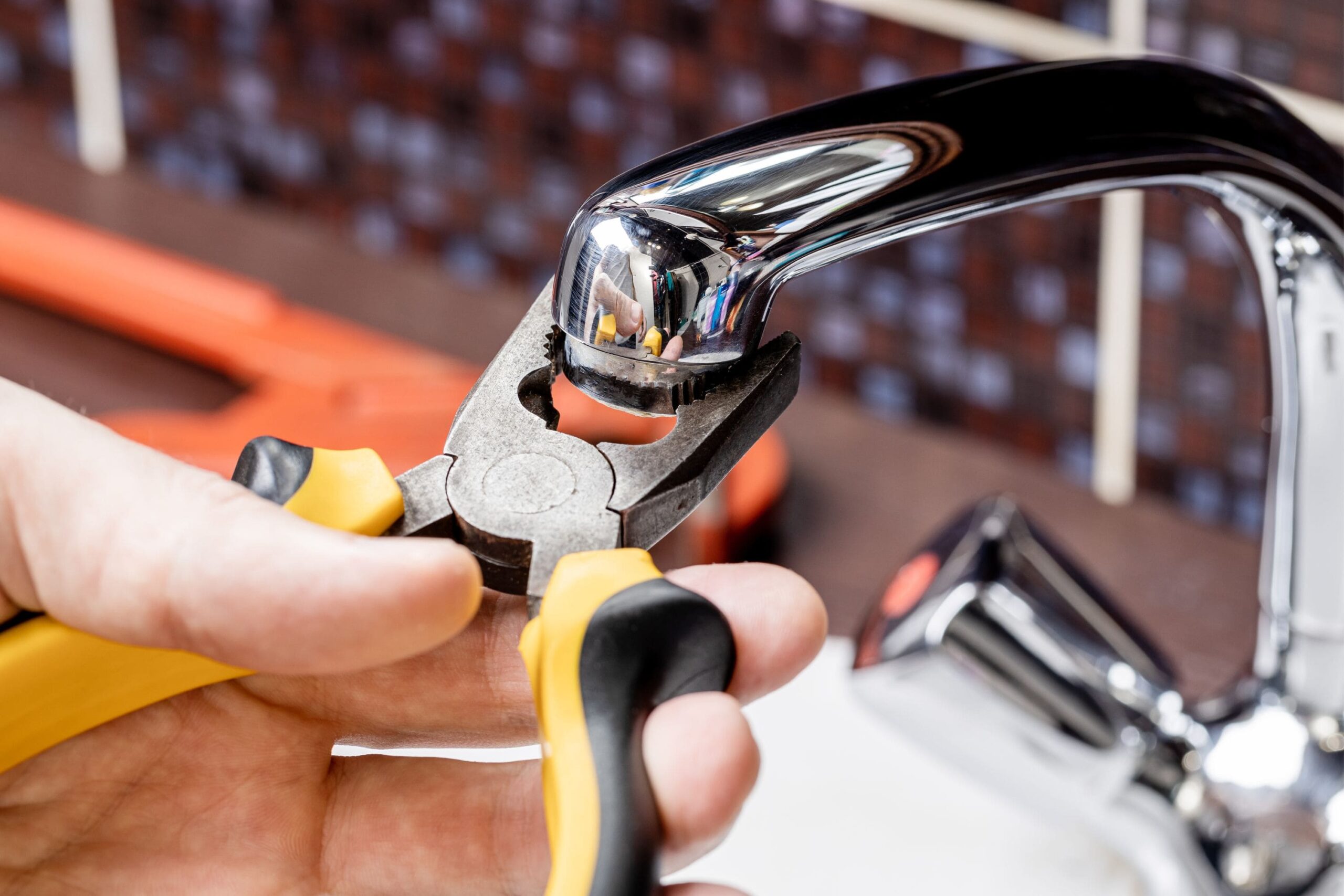
Step 4: Remove the Tap Handle
Using a screwdriver, unscrew the handles on the tap. You may need to pry off decorative caps to access the screws, especially in modern designs.
Step 5: Take Apart the Faucet Assembly
Once the handles are removed, locate the nut holding the faucet in place. Use an adjustable wrench to carefully unscrew it. This can take considerable force, so work slowly to avoid damaging anything.
Step 6: Inspect and Replace the Washer/O-ring
Remove the washer or O-ring, and inspect it for damage. If it appears worn or corroded, replace it with a new one of the same size. Ensure to apply plumber’s tape around the threads before reassembling the faucet to prevent future leaks.
Step 7: Reassemble the Tap
After replacing the worn components, reassemble the faucet by reversing the disassembly steps. Be careful to tighten screws and nuts adequately, but avoid overtightening, which could cause further damage.
Costs and Fees
Having an understanding of the potential costs involved can help you budget better for this DIY project. Here’s a detailed breakdown:
| Item | Cost (₦) |
|---|---|
| Adjustable Wrench | ₦1,500 – ₦3,000 |
| Screwdrivers (Set) | ₦1,000 – ₦2,000 |
| Replacement Washer (12mm) | ₦200 – ₦500 |
| O-ring | ₦150 – ₦300 |
| Plumber’s Tape | ₦200 – ₦500 |
| Silicone Grease | ₦500 – ₦1,000 |
Total estimated cost: **₦3,000** to **₦10,000**, allowing for variation based on the tap’s components and your specific repairs.
Comparison
When considering different types of taps, understanding their maintenance and repair costs can help you make informed decisions. Below is a comparison of common tap types prevalent in Nigerian homes:
| Tap Type | Common Issues | Repair Complexity |
|---|---|---|
| Compression Taps | Leaking due to worn washers | Moderate |
| Ball Faucets | Dripping, leaking at base | Complex |
| Cartridge Faucets | Dripping, leaking handles | Moderate |
| Disc Faucets | Leak due to worn O-rings | Complex |
Choosing the right tap will greatly impact your maintenance experience, with compression taps being among the easiest to repair.
Common Mistakes to Avoid
While fixing a leaking tap may seem straightforward, many Nigerians tend to make common mistakes that lead to further complications:
- Ignoring the Type of Tap: Not knowing the exact type of tap can lead to using incorrect methods and parts.
- Not Turning Off Water Supply: Failing to turn off the water supply can result in flooding and damage.
- Over-tightening Components: While it might seem logical to tighten screws as much as possible, this can damage threads and lead to leaks.
- Forgetting to Use Plumber’s Tape: Skipping this step can result in future leaks from the threaded connections.
- Not Inspecting Other Components: Just replacing the washer without checking other parts of the tap can lead to recurring issues.
Tips and Insider Knowledge
Here are some valuable insider tips that can make fixing a leaking tap easier and more effective:
- Buy Quality Parts: Investing in high-quality washers and components can save you time and money in the long run, reducing the frequency of repairs.
- Keep a Toolbox: Having a dedicated toolbox with essential tools will always prepare you for spontaneous repairs.
- Watch Video Tutorials: Sometimes seeing the process can help. Check out local DIY tutorials on platforms like TikTok for visual guidance.
- Line Up Your Repairs: If you have multiple taps leaking, consider fixing them all at once to save time.
- Know When to Call a Plumber: If you encounter excessive rust or damage, it might be time to call a professional rather than attempting to fix it yourself.
Frequently Asked Questions
1. How do I know what type of washer I need?
You can check the old washer and match the diameter. Most common sizes found in Nigeria are 12mm or bigger for some modern taps. Always carry the old washer to the hardware store for comparison.
2. Can I use regular tape instead of plumber’s tape?
No, regular tape is not designed for plumbing use. Plumber’s tape, also known as Teflon tape, is water-resistant and ensures a better seal.
3. How often should I check my taps for leaks?
You should inspect your taps seasonally, especially in peak usage months, to catch any leaks early.
4. What is the average lifespan of a tap?
With good maintenance, a quality tap can last between 10 to 15 years. However, frequent repairs—such as changing washers—will prolong its life.
5. Are there water-saving taps available in Nigeria?
Yes, many brands such as **Bristan** and **GROHE** offer tap options designed for water conservation available in Nigerian home improvement stores.
Conclusion
Learning how to fix a leaking tap at home in Nigeria is both a practical skill and a means of conserving our valuable water resources. By following this detailed guide, you will save costs, reduce waste, and gain self-sufficiency when it comes to household maintenance. With the right tools, materials, and knowledge, you can tackle leaking taps confidently and efficiently, making your home more comfortable and sustainable.
