
“`html
Introduction
Dealing with a leaking tap can be incredibly annoying for any homeowner, especially in Nigeria, where water scarcity is an issue in many regions. Not only does a leaking tap waste precious water, but it can also lead to increased utility bills and potential damages to your plumbing system. Learning how to fix a leaking tap at home in Nigeria is a vital skill that can save you time, money, and frustration.
This guide will walk you through everything you need to know, from understanding the tools required to completing a step-by-step repair process. By the end of this article, you’ll feel confident in your ability to fix any leaking tap in your home without the need to call in a plumber.
Whether you are a DIY enthusiast or a complete novice, we will provide detailed insights, real costs, and practical tips to make the process straightforward. With our instructions, you’ll not only repair your leaking tap effectively but also gain a deeper understanding of your plumbing. Let’s dive in and discover how to take control of your home repairs today!
What You Need
Before you begin the repair process, it’s essential to gather all the necessary tools and materials. By preparing beforehand, you’ll streamline the process and minimize interruptions.
- Tools:
- Adjustable Wrench
- Screwdriver (Phillips and flathead)
- Plumber’s tape
- Bucket (to catch any water)
- Towel (for drying)
- Materials:
- Replacement washers (typically 12mm or 14mm in Nigeria)
- O-rings (if applicable)
- Silicone sealant (if necessary)
Costs: The estimated total cost for tools and materials can range from N2,000 to N15,000, depending on what you already own and what needs to be purchased.
Step-by-Step Guide
Step 1: Turn Off the Water Supply
First, locate the water supply valve under the sink or the general shut-off valve for your home. Turn it clockwise to stop the flow of water. This step is crucial to avoid a messy situation while you work.
Step 2: Drain the Faucet
Open the tap to drain any remaining water in the pipes. Place a bucket underneath the faucet to catch any residual water. Make sure the area is dry to avoid slipping and accidents.
Step 3: Disassemble the Faucet
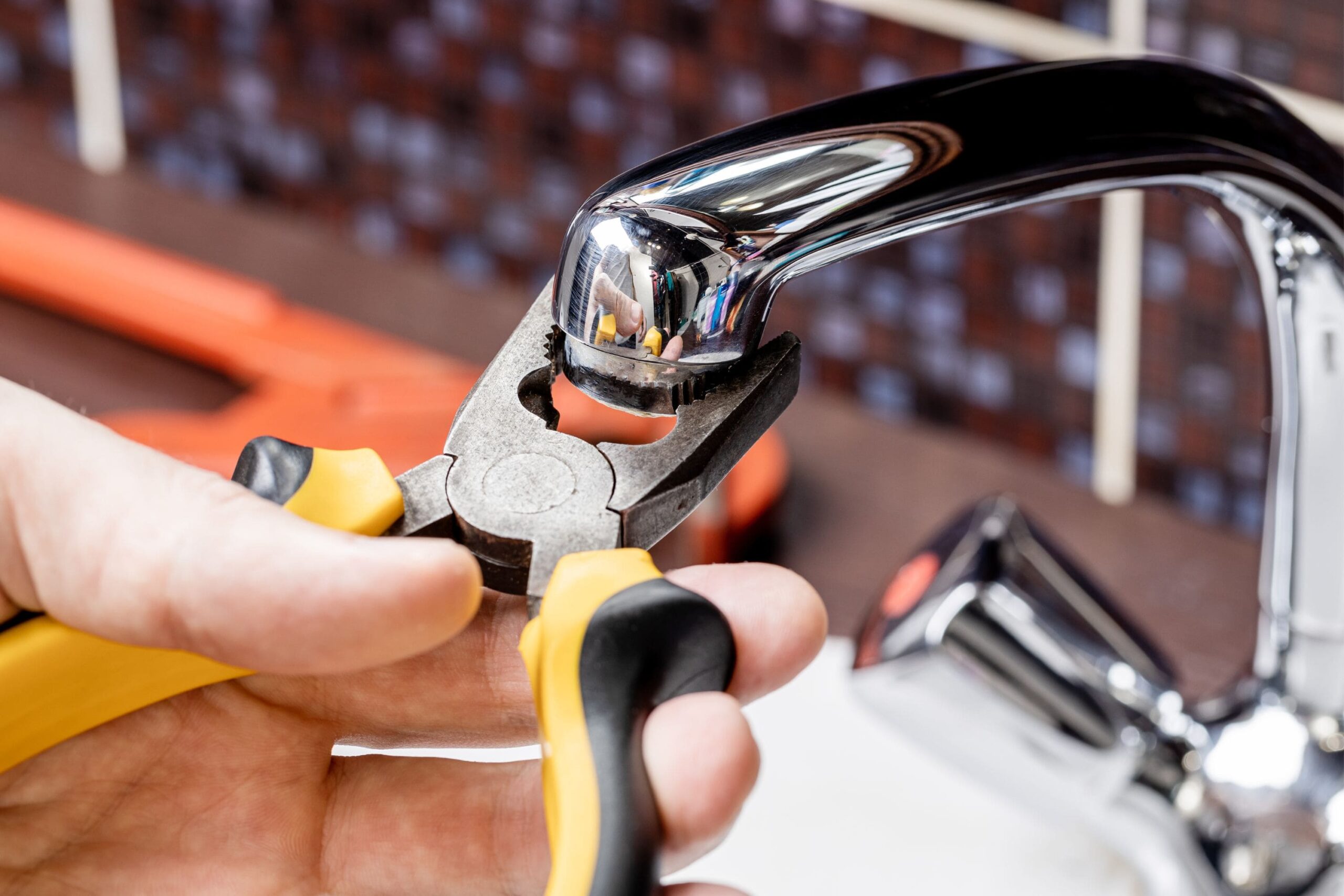
Using a screwdriver, remove the handle by unscrewing the screws. You may need to remove decorative caps first to access the screws. Once the handle is off, you can see the retaining nut.
Step 4: Remove the Retaining Nut
Use the adjustable wrench to carefully unscrew the retaining nut. Apply gentle pressure to avoid damaging any surrounding pipes. Once removed, set it aside.
Step 5: Inspect the Washer
After removing the retaining nut, you’ll see the washer. Inspect it for any wear and tear; if it’s damaged, it’s the likely cause of the leak. Replacing the washer will often cure the problem.
Step 6: Replace the Washer or O-Ring
Remove the old washer and replace it with a new one of the same size. If the tap uses O-rings, replace those as well. Make sure to use plumber’s tape on threaded areas to ensure a tight seal.
Step 7: Reassemble the Faucet
Now it’s time to put everything back together. Start by replacing the retaining nut and tighten it gently. Then reattach the handle and screw everything back in place. Finally, turn on the water supply and check for leaks.
Costs and Fees
Here’s a breakdown of potential costs associated with fixing a leaking tap in Nigeria:
| Item | Estimated Cost (Naira) |
|---|---|
| Adjustable Wrench | N1,500 – N3,000 |
| Screwdriver Set | N1,000 – N2,000 |
| Replacement Washers (Pack of 5) | N500 – N1,000 |
| O-Rings (Pack of 10) | N300 – N700 |
| Plumber’s Tape | N200 – N500 |
| Silicone Sealant | N800 – N1,500 |
| Total Estimated Cost | N2,000 – N15,000 |
Comparison
Below is a comparison of different types of taps and the average costs associated with repairing them.
| Type of Tap | Common Issues | Repair Difficulty Level | Estimated Repair Costs |
|---|---|---|---|
| Compression Taps | Leaky washers | Medium | N2,000 – N5,000 |
| Ball Taps | Worn-out seals | Hard | N4,000 – N10,000 |
| Cartridge Taps | Faulty cartridge | Medium | N3,000 – N8,000 |
Common Mistakes to Avoid
- Not Turning Off the Water: Failing to turn off the water supply before starting repairs can lead to a slippery mess and possible water damage.
- Using Incorrect Tools: Using tools not suited for the job can damage the tap or prolong the repair process. Always have the right tools on hand.
- Ignoring Other Components: If you replace the washer, inspect other components like the O-ring or cartridge to ensure a complete fix.
Tips and Insider Knowledge
- Always have a few common washer sizes on hand, especially the 12mm and 14mm, since those are most frequently used.
- If you are not trusting your ability to find the right parts, most plumbing supply stores offer kits that include various sizes of washers and O-rings.
- For persistent leaks, consider taking your old washers or cartridges with you to the store to find exact matches.
Frequently Asked Questions
-
How can I tell if my tap needs a new washer?
If the tap is dripping or leaking even when turned off, it usually indicates a deteriorating washer that needs replacing.
-
Can I use any washer for my tap?
No, always use a washer that matches the size of the old one to prevent leaks and ensure a secure fit.
-
What other reasons can cause a tap to leak?
Wear and tear on the O-ring, corrosion of internal components, or a faulty cartridge can also cause leaks.
-
How often should I replace tap washers?
Although there’s no set time, it’s advisable to inspect washers annually and replace them if signs of wear are present.
-
Should I call a plumber instead?
If you’re not comfortable performing the repairs or if the leak persists even after replacement of washers, it may be wise to call a professional.
Conclusion
Fixing a leaking tap at home in Nigeria is a manageable endeavor with the right tools and approach. By following this comprehensive guide, you not only save money but also gain satisfaction from taking on a DIY project. Equip yourself with the listed materials, avoid common mistakes, and refer to the step-by-step instructions whenever necessary. Remember, every repair experience adds to your skills and confidence, empowering you to handle future home fixes with ease.
“`
