
Introduction
In Nigeria, where access to clean and sustainable water is often a challenge, the presence of a leaking tap can magnify the problem significantly. Not only does it lead to wasted resources, but it can also spike water bills and cause damage to your property. Many homeowners might think that they need to hire a professional plumber to handle such tasks, but the reality is that fixing a leaking tap is a manageable DIY project that any Nigerian can undertake at home. In this guide, we will take you through everything you need to know about fixing a leaking tap, empowering you to tackle this issue on your own.
When you learn how to fix a leaking tap at home in Nigeria, you are not just saving money but also gaining valuable skills in home maintenance. Whether you’re a frequent DIY enthusiast or a complete novice, this detailed guide will provide clear steps, the necessary tools, and insights into preventing future occurrences. Moreover, with the ever-rising costs of services in Nigeria, learning to handle such tasks is a financially prudent decision.
By engaging in this guide, you’ll discover the importance of addressing leaks promptly, the tools you need, and a step-by-step process to ensure your tap is fixed correctly. Let’s dive into the details of fixing that annoying leak in your home.
What You Need
Before embarking on the journey of repairing a leaking tap, it’s important to gather all the required tools and materials. Here’s what you’ll need:
- Tools:
- Adjustable wrench
- Screwdriver (flat and Philips)
- Plumber’s tape
- Bucket or bowl (to catch any water)
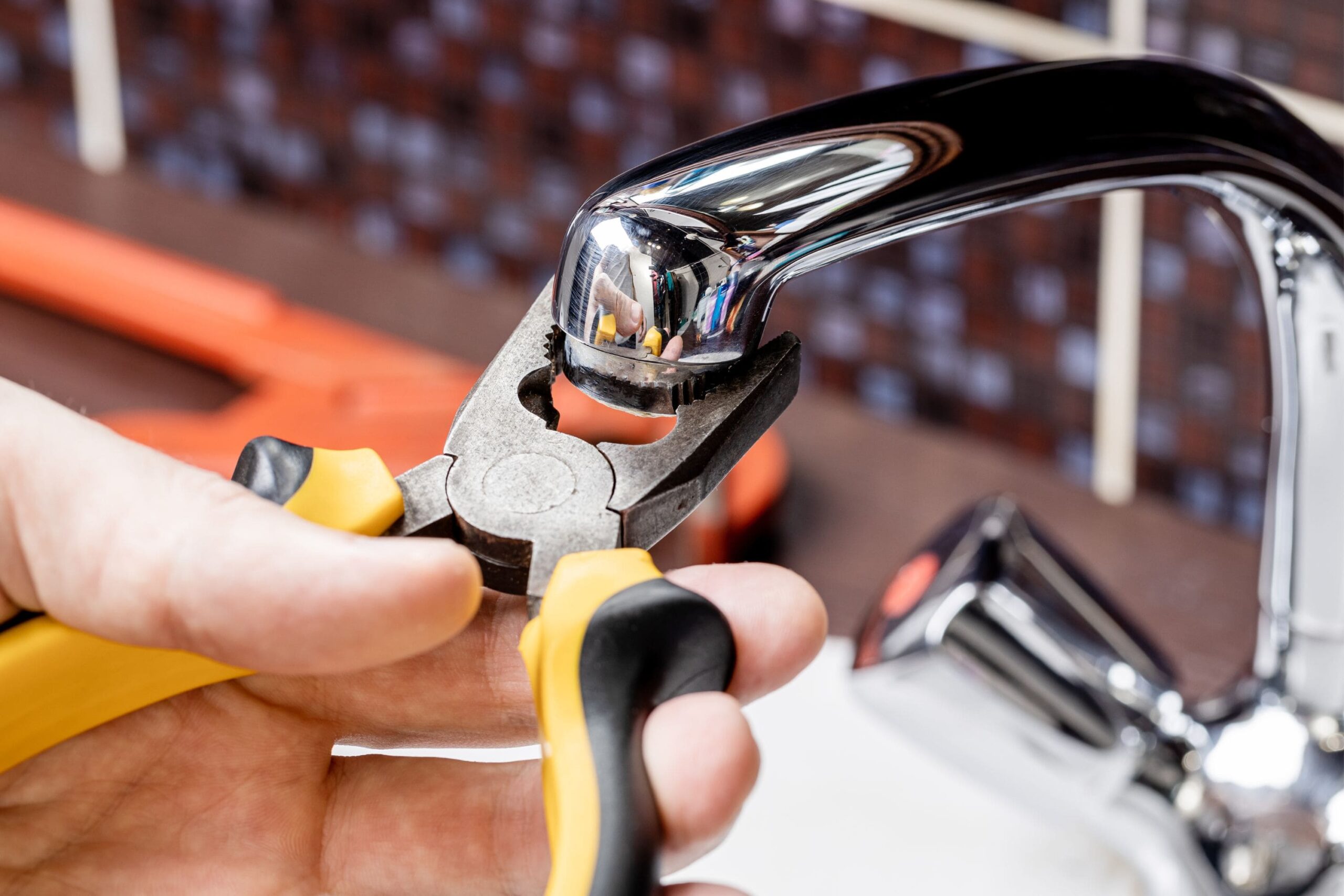
- Pliers
- Utility knife
- Materials:
- Replacement washers (typically 12mm or 14mm depending on your tap)
- O-rings (if applicable)
- Replacement cartridges (for cartridge taps)
- Silicone sealant (optional for added sealing)
- Costs: You can expect to spend an estimated N2,000 to N5,000 on materials, depending on the brand and quality. Local plumbing stores like Supermart and Jumia have a variety of these supplies available.
The first step is to turn off the water supply to the tap to avoid any unforeseen flooding. Locate the shut-off valve under the sink, or if you can’t find it, you may have to turn off the main supply to your house, which is highly unlikely in a country like Nigeria where intermittent water supply is common.
Step-by-Step Guide
Follow these steps to effectively repair your leaking tap.
Step 1: Identify the Type of Tap
Understanding the type of tap you are working with is crucial. The common types include compression, cartridge, ball, and ceramic disc taps. Each type has a different mechanism and therefore requires slightly different methods for repair. Take a close look; if the handle has a screw that can be taken out, you likely have a compression faucet.
Step 2: Unscrew the Handle
Using a screwdriver, remove any screws securing the handle. If the screws are hidden under decorative caps, gently pry them off to access the screws. For most Nigerian taps, this should take less than 10 minutes.
Step 3: Remove the Packing Nut
Once the handle is removed, use an adjustable wrench to loosen and remove the packing nut. Place a bucket under the tap to collect any residual water. Keep in mind that this step might take an additional 5 to 10 minutes.
Step 4: Inspect the Washers and O-Rings
After removing the packing nut, you will be able to see the washer or cartridge. If you notice that the rubber washer is worn out or cracked, it is time to replace it. For taps that use cartridges, remove the cartridge carefully for inspection.
Step 5: Replace Components as Necessary
Head to the local plumbing store, such as those found in Alaba or Ikeja, and purchase the necessary replacement parts. A typical replacement washer costs between N100 and N500. For cartridge taps, expect to pay around N1,500 to N3,500 depending on the brand.
Step 6: Reassemble the Tap
Once you have replaced the worn components, reassemble the tap by reversing the steps. Remember to apply plumber’s tape on the threads of the nut to reduce the chance of leaks.
Step 7: Restore Water Supply and Check for Leaks
Turn the water supply back on and let it run for a moment.Inspect the tap for leaks at the joints and ensure everything is functioning correctly.
Costs and Fees
When planning to fix a leaking tap at home in Nigeria, it’s important to consider all potential costs involved. An approximate breakdown of expenses could be as follows:
- Tools: N2,000 – N5,000 (if not already owned)
- Replacement Washers: N100 – N500 (per piece)
- Replacement Cartridge: N1,500 – N3,500 (if applicable)
- Miscellaneous (plumber’s tape, silicone sealant, etc.): N500 – N1,000
**Total Estimated Cost**: N4,100 – N10,000 depending on what you need to purchase.
Comparison
Here’s a comparative HTML table showing prices for commonly used materials and options available for fixing leaking taps.
| Material | Price Range (Naira) | Where to Get It |
|---|---|---|
| Washers | N100 – N500 | Supermart, local plumbing stores |
| O-Rings | N200 – N800 | Jumia, Alaba market |
| Cartridge | N1,500 – N3,500 | Plumbing suppliers, hardware stores |
| Plumber’s Tape | N100 – N300 | General stores, Supermart |
Common Mistakes to Avoid
While attempting to fix a leaking tap, there are several common pitfalls that many Nigerians encounter:
- Ignoring the type of tap: Not all taps operate the same way. Failing to identify the type can lead you toward the wrong repair method.
- Not cutting off the water supply: This can create unnecessary flooding and make a simple task turn into a complicated mess!
- Over tightening components: Attempting to secure parts too tightly can damage them. Just hand-tightening most connections should suffice.
- Not replacing old washers: Old washers may seem fine, but even a slight wear can lead to leaks. Always replace them during repairs.
- Using incorrect size replacement parts: Always measure or have the old parts with you to ensure compatibility.
Tips and Insider Knowledge
Here are some insider tips that experienced DIYers in Nigeria swear by:
- Purchase Extra Parts: It’s wise to buy a couple of extra washers as they tend to wear out over time.
- Brands Matter: Opt for products from reputable Nigerian brands like Akwaplan, which offer good quality at a fair price.
- Have a Plumber on Speed Dial: Sometimes a tap may have underlying issues that require a professional. It’s always a good idea to have a trusted plumber’s contact just in case.
- Leak Test: After reassembling, conduct a thorough test for leaks by monitoring the tap for a few days. Even minor drips should be addressed immediately.
Frequently Asked Questions
1. How long does it take to fix a leaking tap?
Typically, fixing a leaking tap can take anywhere from 30 minutes to an hour, depending on your expertise and the complexity of the tap design.
2. What tools do I need?
You will need an adjustable wrench, various types of screwdrivers, plumber’s tape, pliers, and a utility knife, as discussed earlier.
3. Is it possible to fix a leaking tap without a professional?
Yes, most leaks can be repaired without a professional, as this guide outlines simple and manageable steps for any homeowner.
4. Are there specific brands of washers recommended?
Local brands like Akwaplan and Jaquar provide quality replacement parts suitable for most taps in Nigeria.
5. What if the leak persists after trying to fix it?
If the tap continues to leak after your repair, it might indicate deeper plumbing issues, requiring professional assistance.
Conclusion
Fixing a leaking tap at home in Nigeria is not only a cost-effective solution but also a manageable DIY project that can prevent further damage and water wastage. With the right tools, materials, and step-by-step guidance outlined above, you can confidently address this common household issue. Empower yourself by learning these skills and contribute to a better water-saving culture in Nigeria.
