
Introduction
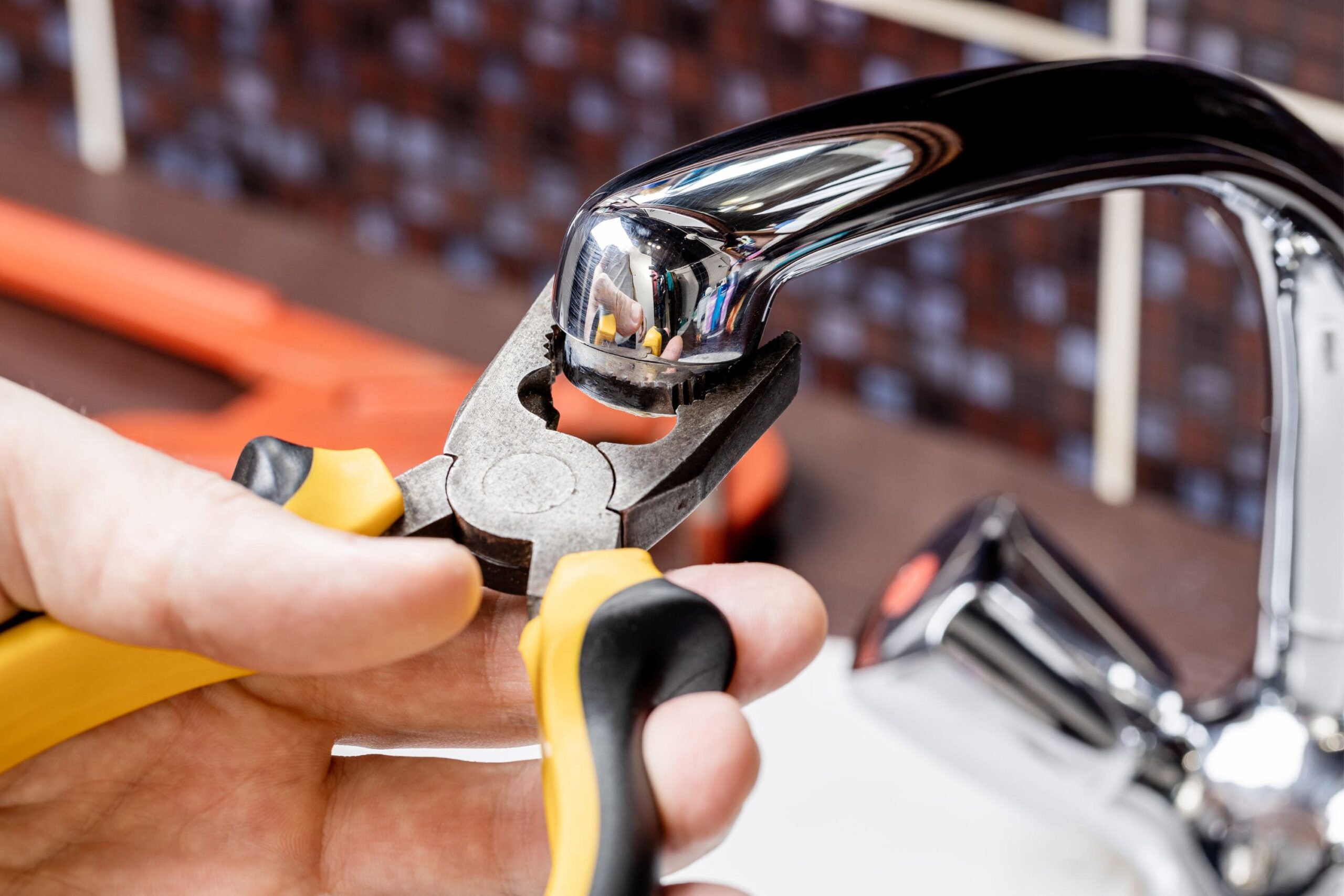
In Nigeria, the sound of a dripping tap is not just a minor annoyance; it’s a signal of wasted resources and increased utility bills. Many households face the challenge of leaking taps, and for many Nigerian families, the issue can quickly escalate from a simple drip to a significant leak if left untreated. Whether you’re renting or own your home, knowing how to fix a leaking tap is a must-have skill. In this comprehensive guide, we will explore the step-by-step process to effectively repair a leaking tap at home in Nigeria, consider the costs involved, and share essential tips to empower you with the confidence needed for DIY plumbing repairs.
Water issues are particularly pressing in Nigeria, where access and delivery can be unreliable. According to the National Bureau of Statistics, a staggering percentage of Nigerians (about 60% as of 2022) rely on boreholes and other forms of self-supplied water to meet their domestic needs. Therefore, understanding how to manage and repair your household fittings is crucial not only to save costs but to ensure sustainable use of water resources. By the end of this article, you will learn all the necessary steps, tools, and insider tips required to successfully fix your leaking tap.
What You Need
Before diving into repairs, it’s essential to equip yourself with the right tools and materials. Here’s a comprehensive checklist of what’s required:
- Tools:
- Adjustable wrench
- Flathead screwdriver
- Phillips screwdriver
- Plumber’s tape
- Bucket or cloth
- Repair materials:
- Replacement washers (commonly 12mm)
- New O-rings
- Pipe joint compound or sealant
- Grease for lubrication
- Safety gear:
- Gloves
- Safety glasses
Estimated Costs: The tools and materials mentioned above can typically be sourced from local hardware stores like Shoprite or online platforms. In 2026, expect to spend between N3,500 and N10,000, depending on what you need to purchase or replace, significantly less than calling a plumber.
Step-by-Step Guide
Now that you know what you need, let’s break down the process into manageable steps.
Step 1: Identify the Type of Tap
Understanding the type of tap you’re dealing with—be it compression, cartridge, ball faucet, or disc faucet—is the first step to fixing the leak. Each type has different components and may require different approaches for repairs.
Step 2: Turn Off the Water Supply
Before you start any repairs, it is crucial to turn off the main water supply to avoid further leakage. Often, there are shut-off valves under the sink that can be turned clockwise to halt water flow.
Step 3: Drain the Faucet
After shutting off the supply, turn on the faucet to drain any remaining water in the pipes. This step helps prevent spills when disassembling the tap.
Step 4: Disassemble the Tap
Using the appropriate screwdriver, remove the handle, exposing the internal components. Each tap model may have different screws, and some might require you to carefully pry out plastic caps to access the screws.
Step 5: Inspect and Replace Washers or O-rings
Once exposed, inspect the washers and O-rings, often the culprits behind leaks. You should look for wear and tear or any visible damage. If necessary, replace them with new ones of the same size. This is usually a straightforward task and can be done with the adjustable wrench.
Step 6: Reassemble the Tap
Once the new washers or O-rings are in place, carefully reassemble the tap in the reverse order you disassembled it. Remember to apply plumber’s tape to the threads to ensure a tight seal.
Step 7: Turn On the Water Supply and Test
With the tap reassembled, turn the water supply back on and test the tap to ensure it’s functioning correctly without leaks. If you notice any drip, revisit your repair steps to ensure everything is adequately tightened.
Costs and Fees
Here’s a detailed breakdown of potential costs associated with fixing a leaking tap in Nigeria as of 2026:
| Item | Estimated Cost (Naira) |
|---|---|
| Adjustable Wrench | 1,500 – 2,500 |
| Washers (per pack) | 500 – 1,000 |
| O-rings (per pack) | 800 – 1,200 |
| Pipe Joint Compound | 1,000 – 2,000 |
| Safety Gear | 1,000 – 2,000 |
| Total Estimated Cost | N3,800 – N9,700 |
Comparison
When fixing a leaking tap, you may consider DIY versus hiring a professional plumber. Here’s a brief comparison:
| Options | DIY (Cost & Time) | Professional (Cost & Time) |
|---|---|---|
| Cost | N3,800 – N9,700 | N10,000 – N25,000 |
| Time to Complete | 1-2 hours | 1-3 hours |
| Skills Required | Basic DIY skills | Professional plumbing skills |
| Control Over Quality | High | Medium to High |
Common Mistakes to Avoid
When tackling a leaking tap repair, many Nigerians often make the following mistakes:
- Not Turning Off the Water Supply: Many forget to shut off the main water supply, leading to water spillage and complicating the repair process.
- Using Incorrect Replacement Parts: Using the wrong size washers or O-rings can result in continued leaks. Ensure you take the old parts to a hardware store for accurate replacements.
- Over-tightening Components: While it may seem logical to tighten everything as much as possible, overdoing it can cause cracks or damage that worsens leaks instead of fixing them.
- Neglecting to Inspect Other Parts: Sometimes, a leaking tap may mean more serious issues in the faucet or plumbing system. Failing to look for underlying issues can lead to repeated repairs.
- Ignoring DIY Safety: Not wearing protective gear can result in injuries from sharp tools or materials. Safety should always be a priority.
Tips and Insider Knowledge
To help you succeed in fixing that leaking tap, here are some insider tips that many Nigerians may not consider:
- When purchasing replacement parts, visiting local hardware stores rather than supermarkets can often yield better prices and selections tailored to local needs.
- Always keep spare parts on hand for future inconveniences. A pack of washers or O-rings can be stored away for quick access.
- Check if your tap has a warranty—many local manufacturers offer warranties, and you might get free repairs or parts if applicable.
- Utilizing seals with lubricant can often extend the longevity of your pipes and valves, reducing the frequency of repairs.
- If you’re uncertain about the type of tap or the repair, don’t hesitate to ask someone at a hardware store—they can often provide valuable insights specific to the local tap model.
Frequently Asked Questions
1. What are the most common causes of a leaking tap?
The most common causes include worn-out washers, O-rings, or seals, improper installation, and mineral build-up in the plumbing. Regular maintenance can often prevent these issues.
2. Can I use any type of washer for my tap?
No, it’s essential to use the correct size and type of washer for your specific tap model to ensure a proper seal and prevent leaks.
3. How often should I check my taps for leaks?
It’s advisable to check your taps at least every six months for signs of wear or leaks. Regular maintenance can save you time and money in the long run.
4. Is it better to repair or replace a leaking tap?
This depends on the extent of the damage. If it’s a simple washer or O-ring issue, a repair is often sufficient. However, if the tap is significantly damaged, replacing it may be more cost-effective in the long run.
5. How do I know if I have done the repair correctly?
After reassembling, turn on the water supply and check for leaks. If no water is dripping from any joints or around the tap, your repair was successful.
Conclusion
Fixing a leaking tap at home in Nigeria is not only achievable but also empowers you to save money and reduce water wastage. By following this detailed guide, understanding the necessary tools, and avoiding common pitfalls, you can ensure that your home remains a more sustainable and cost-effective space. Whether you tackle it yourself or decide to call in a professional, understanding the process is invaluable and contributes to better home management.
