
Introduction
In many Nigerian homes, a leaking tap is not just an annoyance; it can also lead to increased water bills and contribute to water wastage, which is a growing concern in a country where access to clean water is often limited. Learning how to fix a leaking tap at home in Nigeria is, therefore, not only a practical skill but also an essential part of responsible home ownership and maintenance.
This comprehensive guide will walk you through the entire process of repairing a leaking tap, helping you save money on plumber fees and contributing to water conservation in your household. You will learn about the common causes of leaks, the tools and materials you need, a step-by-step guide for the repair process, and tips that can make the job easier and more effective.
Fixing a leaking tap is a task that anyone can do, regardless of their experience level with DIY projects. This guide aims to empower you with the knowledge needed to tackle this project confidently. By the end, you will not only know how to fix a leaking tap but also understand how to avoid making common mistakes that many Nigerians make when handling plumbing issues.
What You Need
Before getting started, it’s essential to gather all the necessary tools and materials required for the repair. Here’s a comprehensive list:
- Tools:
- Adjustable wrench
- Screwdriver (Phillips and flathead)
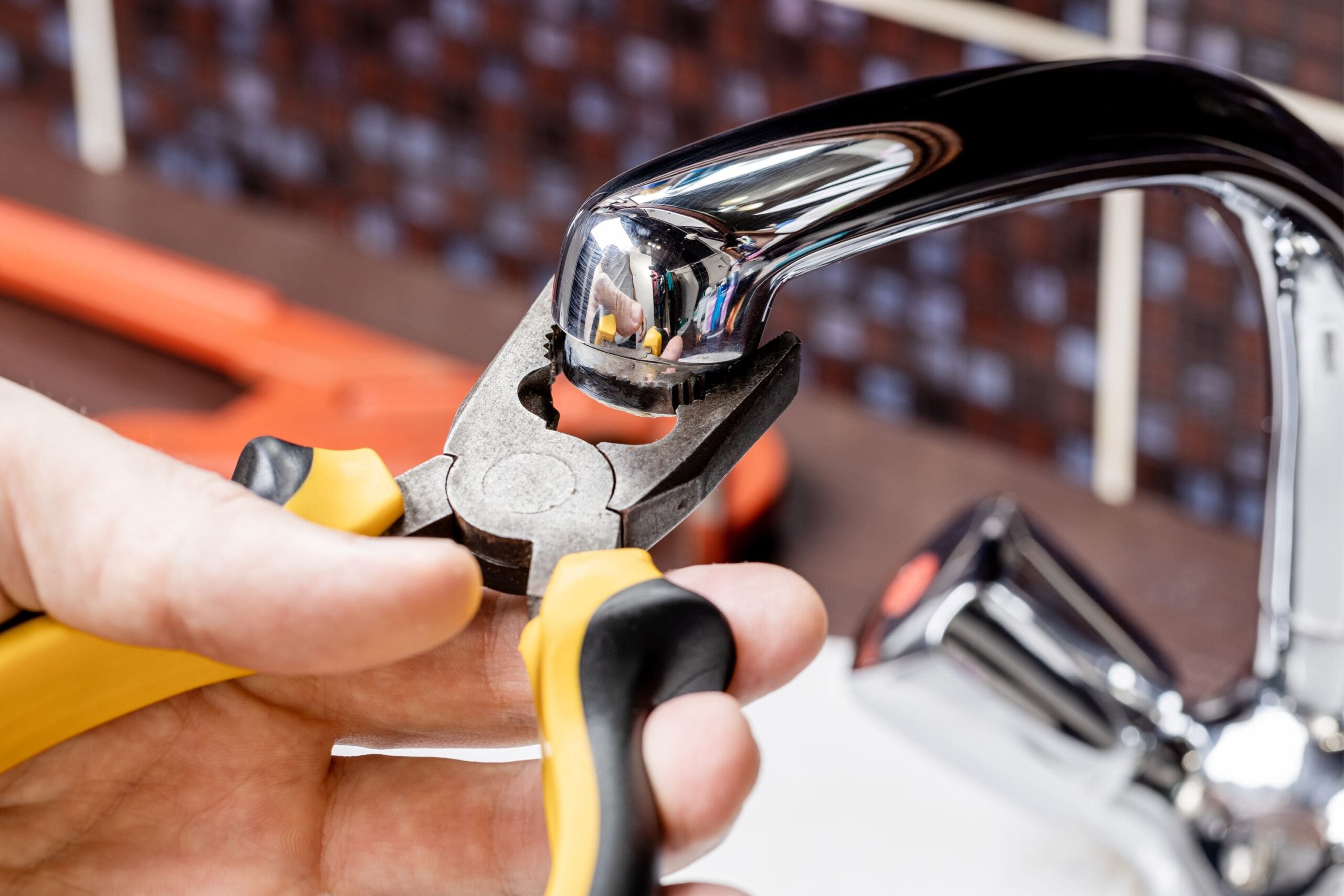
- Pliers
- Bucket or bowl (to catch water)
- Tape measure (optional but helpful)
- Materials:
- Replacement washers (typically 12mm for standard taps)
- O-ring replacements (if applicable)
- Plumber’s grease (to lubricate the components)
- Sealant tape (for threading insulated taps)
- Documents:
- Proof of purchase (warranties) if applicable
Cost: The expense for these items will typically range from N5,000 to N15,000, depending on the quality of the materials and where you purchase them. Most of these supplies can be found at local hardware stores or popular online marketplaces like Jumia or Konga.
Step-by-Step Guide
Now that you have everything ready, let’s get started with the repair. Below are the critical steps needed to fix a leaking tap at home in Nigeria.
Step 1: Turn Off the Water Supply
The first step to fixing a leaking tap is to turn off the water supply to the tap you are working on. This can usually be done at the valve located under the sink. If there is no individual shut-off valve, turn off the main water supply to your house.
Tip: Make sure to open the tap after shutting off the water supply to drain any leftover water.
Step 2: Plug the Drain
To prevent any small parts from falling into the drain, use a cloth or a rubber drain plug to block it temporarily. This ensures that you don’t lose any screws or small components while working on the tap.
Tip: A piece of cloth also helps to catch any drips from the tap during the repair process.
Step 3: Remove the Tap Handle
Use a screwdriver to remove any screws securing the handle of the tap. If the screws are covered by decorative caps, gently pry these caps off to access the screws. Sometimes, the handle may be stuck; a gentle twist can help it lift off easily without damage.
Step 4: Take Out the Tap Cartridge or Valve
Once the handle is removed, you will see the cartridge or valve beneath it. Carefully use a wrench to unscrew the retaining nut holding the cartridge in place. Be gentle; overtightening can cause further leaks. Once the nut is off, pull the cartridge out.
Step 5: Inspect the Components
Check the rubber washer at the base of the cartridge and any O-rings on the spout. These are common sources of leaks, and if they appear worn or damaged, you will need to replace them. Size matters here – ensure you get the correct dimensions for parts to avoid further leaks.
Step 6: Replace Worn Parts
Install the new washer and O-rings where applicable. Apply a small amount of plumber’s grease on these components to ensure a good seal. This not only helps in achieving a better fit but can also lengthen the lifespan of the new parts.
Step 7: Reassemble the Tap
Carefully reinsert the cartridge and secure it with the retaining nut. Reattach the tap handle and any screws or caps you had removed earlier. Double-check that everything is securely fastened but not overtightened, as that can cause damage.
Costs and Fees
Understanding the costs involved in this DIY project can help you prepare your budget adequately. Here’s a detailed breakdown of what you may expect to spend in 2026:
| Item | Estimated Cost (Naira) |
|---|---|
| Tools (if you don’t own any) | 5,000 – 10,000 |
| Washers and O-rings | 500 – 3,000 |
| Plumber’s grease | 500 – 1,500 |
| Sealant tape | 200 – 800 |
| Miscellaneous (bucket, cloth) | 200 – 500 |
| Total Estimated Cost | 6,600 – 16,800 |
Comparison
If you’re considering hiring a plumber instead of DIY, here’s a quick comparison:
| Service Type | DIY Cost (Naira) | Plumber Cost (Naira) | Time |
|---|---|---|---|
| Fixed cost for leaking tap repair | 6,600 – 16,800 | 10,000 – 30,000 | 1-2 hours |
| Frequent minor waterworks repair | Costs vary | Varies by depth of repair | Depends on job |
Common Mistakes to Avoid
When fixing a leaking tap at home in Nigeria, there are common mistakes that many people make. Here’s a guide to avoid them:
- Ignoring Leak Assessment: Always assess the exact cause of the leak before commencing repairs. A simple loose screw and major damage will require different approaches.
- Using Wrong Tools: Ensure you use the right tools for each task, as using the wrong size can lead to damaging the fittings.
- Forgetting to Shut Off the Water: Always turn off the water supply before you begin; failure to do so can lead to flooding in your home.
- Neglecting to Inspect Parts: Always check the O-rings and washers for wear before replacing; these are the most likely culprits in a leak scenario.
- Reusing Old Components: It’s better to replace old washers and O-rings than to reuse them. This can save you future leaks and repair costs.
Tips and Insider Knowledge
Here are some insider tips that experienced DIYers in Nigeria recommend for fixing a leaking tap:
- Buy in Bulk: If you have a few leaks to fix or you live in a household with multiple taps, consider buying washers and O-rings in bulk. Most hardware stores offer discounts.
- Check for Warranty: If your tap is still under warranty, check if repairs might be covered. It’s worth investigating.
- Know Your Tap Type: Different taps have different mechanisms (compression, cartridge, disc). Familiarize yourself with your tap type for more efficient repairs.
- Document Your Repairs: Keep a record of repairs you’ve made, including parts replaced. This can help with future repairs or maintenance checks.
Frequently Asked Questions
- How long does it take to fix a leaking tap? Most repairs can be completed in about 30 minutes to 1 hour, depending on your skill level and the complexity of the tap.
- Can I fix a leaking tap without calling a plumber? Yes! With the right tools and materials, many leak issues can be solved without professional help.
- What type of washers should I buy for my tap? Standard 12mm washers fit most Nigerian taps, but it’s important to measure your existing ones for the best fit.
- Is it normal for taps to wear out over time? Yes, due to frequent use and exposure to moisture, taps can wear out, and replacing washers and O-rings periodically is part of basic maintenance.
- What if the leak continues after I replace the parts? If your tap continues to leak, it might be an issue with the tap body itself or the fixtures that require further investigation or professional help.
Conclusion
Fixing a leaking tap at home in Nigeria is a manageable DIY project that can save you money and improve your household’s water efficiency. By gathering the necessary materials, following step-by-step instructions, and avoiding common pitfalls, you can address leaks quickly and efficiently. Remember, with every repair, practice makes perfect!
