
Introduction
In Nigeria, having a leaking tap is not just a minor inconvenience; it can lead to wasted water, increased utility bills, and even potential damage to your home if left unresolved. With a growing population and increasing water scarcity, learning how to fix a leaking tap at home is a skill every Nigerian household should possess. In this comprehensive guide, we’ll not only teach you the step-by-step process of tackling this common household issue, but we’ll also provide insights specific to the Nigerian context, including what materials to use, which tools you’ll need, and how to avoid common pitfalls that many face while attempting this DIY project.
The stakes are high—water is both a precious resource and a significant expense. According to the National Bureau of Statistics, households in Nigeria spend an average of 20% of their income on water-related costs. By mastering the art of fixing a leaking tap, you can save money, conserve water, and enhance your DIY skills, which could come in handy for other home repairs in the future.
In this guide, you will find detailed instructions, real estimates of costs and timings, and tips that only seasoned Nigerians would know. Whether you’re a complete novice or have some experience with home repairs, you’ll be equipped with the knowledge needed to tackle a leaking tap effectively and efficiently.
What You Need
Before diving into the repairs, it’s crucial to gather all the necessary tools and materials. Here’s a comprehensive list of what you’ll need, including costs reflective of the Nigerian market in 2026:
- Tools:
- Adjustable Wrench: N1,500 – N3,000
- Flathead Screwdriver: N500 – N1,500
- Phillips Screwdriver: N500 – N1,500
- Plumber’s Tape (also known as Teflon tape): N200 – N500
- Bucket or Bowl: N500 – N2,000 (to catch any dripping water)
- Materials:
- Replacement Washers: N200 – N700 (depending on the size and quality)
- Replacement O-Rings: N300 – N1,000
- Replacement Faucet Cartridge (if needed): N3,000 – N8,000
Before you commence, ensure you are familiar with the type of tap you have, as this will affect the materials you need. Common types in Nigerian homes include compression taps, cartridge taps, and ceramic disc taps. Understanding the structure will guide you in replacing the right parts.
Step-by-Step Guide
Once you’re armed with the right tools and materials, it’s time to get to work. Follow these detailed steps to fix your leaking tap:
Step 1: Turn Off the Water Supply
The first step in fixing a leaking tap is ensuring that you turn off the water supply to avoid further leaks and mess. Look for the water shutoff valves under the sink and turn them clockwise. If your tap is connected directly to the main supply, you might need to turn off the main water valve for the house.
Step 2: Drain the Tap
After turning off the water supply, open the tap to let any remaining water flow out. This will prevent spills and make the repair process cleaner.
Step 3: Remove the Tap Handle
Your next task is to remove the tap handle. Depending on the type of tap, you may need to pry off a decorative cap to expose the screw. Use a flathead screwdriver if necessary, then unscrew the handle using a Phillips screwdriver. Set the screws aside safely.
Step 4: Take Off the Packing Nut
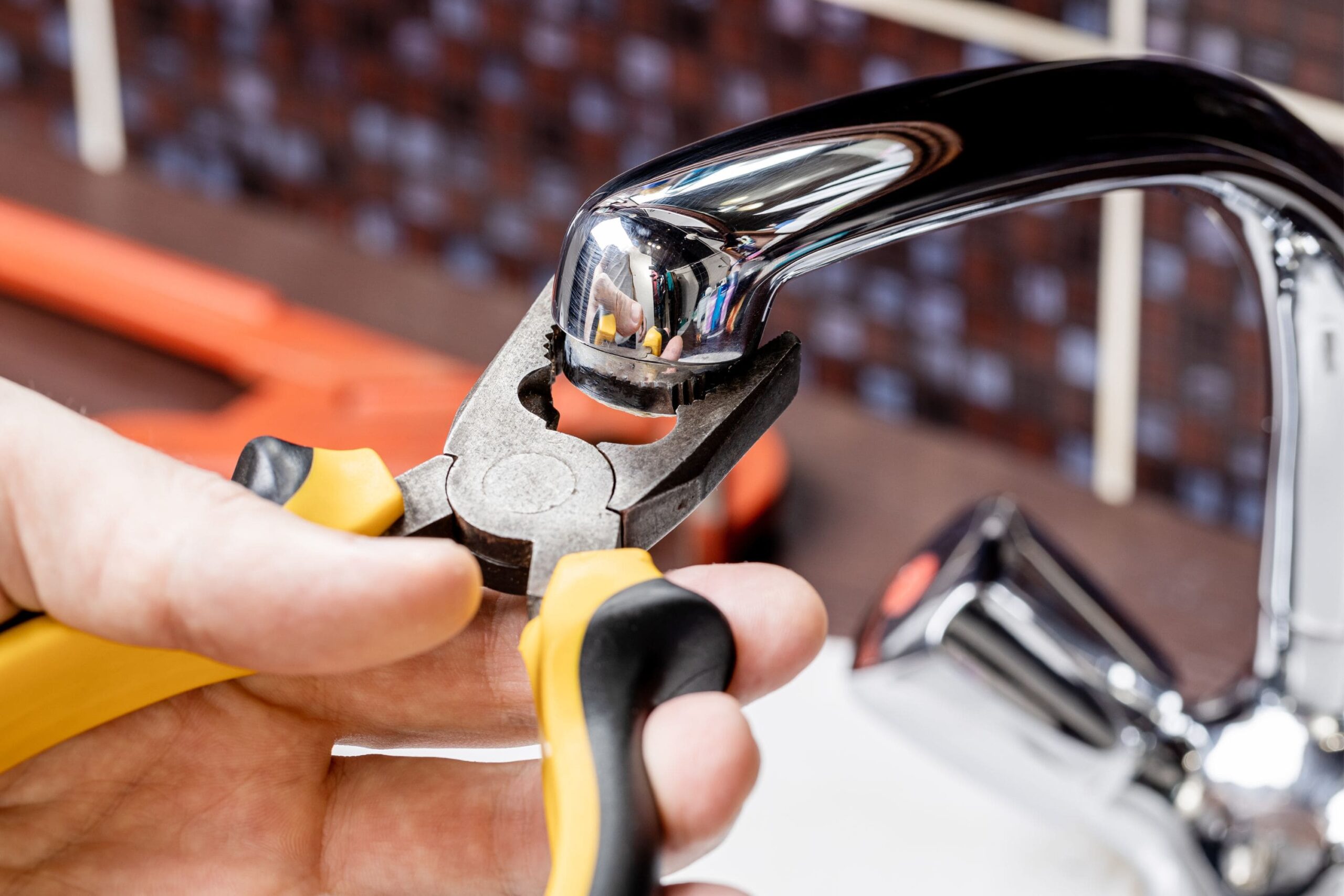
After removing the handle, carefully remove the packing nut with an adjustable wrench. This is the metal ring that holds the cartridge or stem in place. Be careful not to damage the surfaces while using the wrench.
Step 5: Replace the Washer or Cartridge
As you pull out the cartridge or stem, check the washer at the end. This is commonly the cause of leaks. If the washer is worn, replace it with a new one of the same size. For cartridge taps, you may need to replace the entire cartridge. Make sure to match the new part with the old one to ensure compatibility.
Step 6: Reassemble the Tap
Once the replacement has been made, reverse the steps to assemble the tap. Start by reinserting the cartridge or stem, followed by tightening the packing nut securely. Remember to put back the handle and tighten the screws.
Step 7: Turn On the Water Supply and Test
Finally, turn on the water supply and check for leaks. Open the tap gently to allow the water to flow slowly and inspect the areas you worked on. If there are no leaks, you’re good to go!
Costs and Fees
To give you a clearer picture of the financial implications of fixing a leaking tap, here’s a breakdown of estimated costs in Naira, reflecting 2026 figures:
| Item | Estimated Cost (Naira) |
|---|---|
| Adjustable Wrench | N1,500 – N3,000 |
| Flathead Screwdriver | N500 – N1,500 |
| Screwdriver Set (Phillips) | N500 – N1,500 |
| Plumber’s Tape | N200 – N500 |
| Bucket or Bowl | N500 – N2,000 |
| Replacement Washers | N200 – N700 |
| Replacement O-Rings | N300 – N1,000 |
| Replacement Faucet Cartridge | N3,000 – N8,000 |
| Total Estimated Cost | N7,700 – N18,200 |
Depending on your skill level and the extent of the leak, you might spend less by only replacing washers or O-rings. However, if you are unsure, having a professional plumber review your work may cost between N5,000 and N10,000 for a visit.
Comparison
When considering whether to fix the tap yourself or hire a plumber, here’s a comparative analysis:
| Method | Time Required | Estimated Cost | Skill Requirement |
|---|---|---|---|
| DIY Repair | 1-2 hours | N7,700 – N18,200 | Low to Moderate |
| Professional Plumber | 30 minutes – 1 hour | N5,000 – N10,000 | No skills required |
As you can see, opting for a DIY repair might be more cost-effective in the long run, especially if you have multiple taps to fix.
Common Mistakes to Avoid
As with any home repair task, attempting to fix a leaking tap comes with its pitfalls. Here are some common mistakes Nigerians often make and how to avoid them:
- Rushing the Process: Many want a quick solution and end up overlooking vital steps, which can lead to incomplete repairs. Take your time and follow each step methodically.
- Ignoring tools and materials: Failing to gather proper tools can result in using makeshift solutions that could worsen the leak. Always prepare beforehand.
- Using incorrect replacement parts: Not all washers and cartridges are the same. Failing to match sizes can result in continued leaks. Take the old parts with you when purchasing replacements.
- Not checking after repair: Sometimes, people forget to test the tap after reassembly. Always check and test before declaring the job done.
- Not considering older plumbing systems: Some older homes in Nigeria may have outdated plumbing. Be ready to label parts or seek professionals if the system is antiquated.
Tips and Insider Knowledge
Fixing a leaking tap can be an opportunity to enhance your DIY skills. Here are some insider tips that most Nigerians don’t realize:
- Buy Quality Parts: In the Nigerian market, low-quality parts are everywhere. Spending a little extra on a good-quality washer or cartridge can save you future headaches.
- Use Old Towels: When working, place old towels or cloth around the workspace. This will absorb any drips and protect the surface underneath the tap.
- Leverage Local Hardware Stores: Engaging local artisans for tools and materials can often lead to better pricing and advice tailored to your specific needs.
- Water Conservation Tip: If water-saving is a concern, consider installing a modern faucet aerator while conducting repairs. This not only eliminates leaks but also saves water.
- Watch for Future Issues: After repairs, keep an eye on the tap for the next few days. If you notice any signs of leaking again, investigate immediately.
Frequently Asked Questions
1. What causes a tap to leak?
Usually, a tap leaks due to worn washers, O-rings, or cartridges. Over time, these components degrade due to wear and tear, causing leaks. Regular maintenance can mitigate these issues.
2. How do I fix a leaking tap without turning off the water supply?
It is not recommended to attempt a repair without turning off the water supply, as it can lead to significant water wastage and damage. However, if you’re in a pinch, consider using a temporary valve or clamp to limit water flow temporarily while you work.
3. Can I replace just the washer, or should I replace the entire tap?
If the tap is relatively new and only leaks due to a washer or O-ring, replacing just those parts can be effective. However, if the tap is old or the body is damaged, it may be more economical to replace it entirely.
4. How often should I check my taps for leaks?
It’s wise to check your taps at least once a year, especially if you notice changes in your water bill or hear dripping sounds. Early detection can prevent more considerable leaks.
5. Are there types of taps that are more prone to leaking?
Compression taps are generally more prone to leaks due to their reliance on rubber washers, which wear out quickly. Cartridge and ceramic-disc taps can be more durable, but they still require periodic checks.
Conclusion
Fixing a leaking tap at home is a manageable task for most Nigerians, provided you follow the steps outlined in this guide. With the right tools, a little patience, and a willingness to learn, you can save not just money, but also water—a vital resource in today’s Nigeria. By avoiding common mistakes and utilizing practical tips, you can successfully resolve this issue and contribute to water conservation efforts in your household.
