
Introduction
In Nigeria, the sound of dripping water from a leaking tap can be more than just a minor annoyance; it can lead to significant water wastage and, consequently, an inflated water bill. According to recent statistics from the Nigerian Bureau of Statistics, millions of Nigerians rely on treated water supplied by their local authorities, and any leak can increase the burden on these resources. Learning how to fix a leaking tap at home not only saves you money but also contributes to water conservation efforts that are vital in a country where water scarcity is becoming a growing concern.
If you’re in Nigeria and have faced the irritation of a leaking tap, you’ve come to the right place. This comprehensive guide will take you through the entire process of repairing a leaking tap. From understanding the causes of leaks to addressing them step-by-step, we promise to equip you with all the information you need to tackle this problem effectively. By the end of this guide, you will not only have the knowledge and confidence to fix a leaking tap but also an understanding of the costs involved and the common pitfalls to avoid.
This guide is tailored for the Nigerian context in 2026, with practical tips, real prices, and relevant local institutions you might need to deal with as you undertake this DIY project. Whether you are a seasoned DIY enthusiast or a beginner, this step-by-step tutorial is designed to be straightforward, ensuring that anyone can follow along.
What You Need
Before diving into the repair process, it’s critical to gather all necessary tools and materials. Here’s a comprehensive list:
Tools Required
- Adjustable wrench: For loosening and tightening nuts.
- Screwdriver: A Phillips and flathead screwdriver for removing screws.
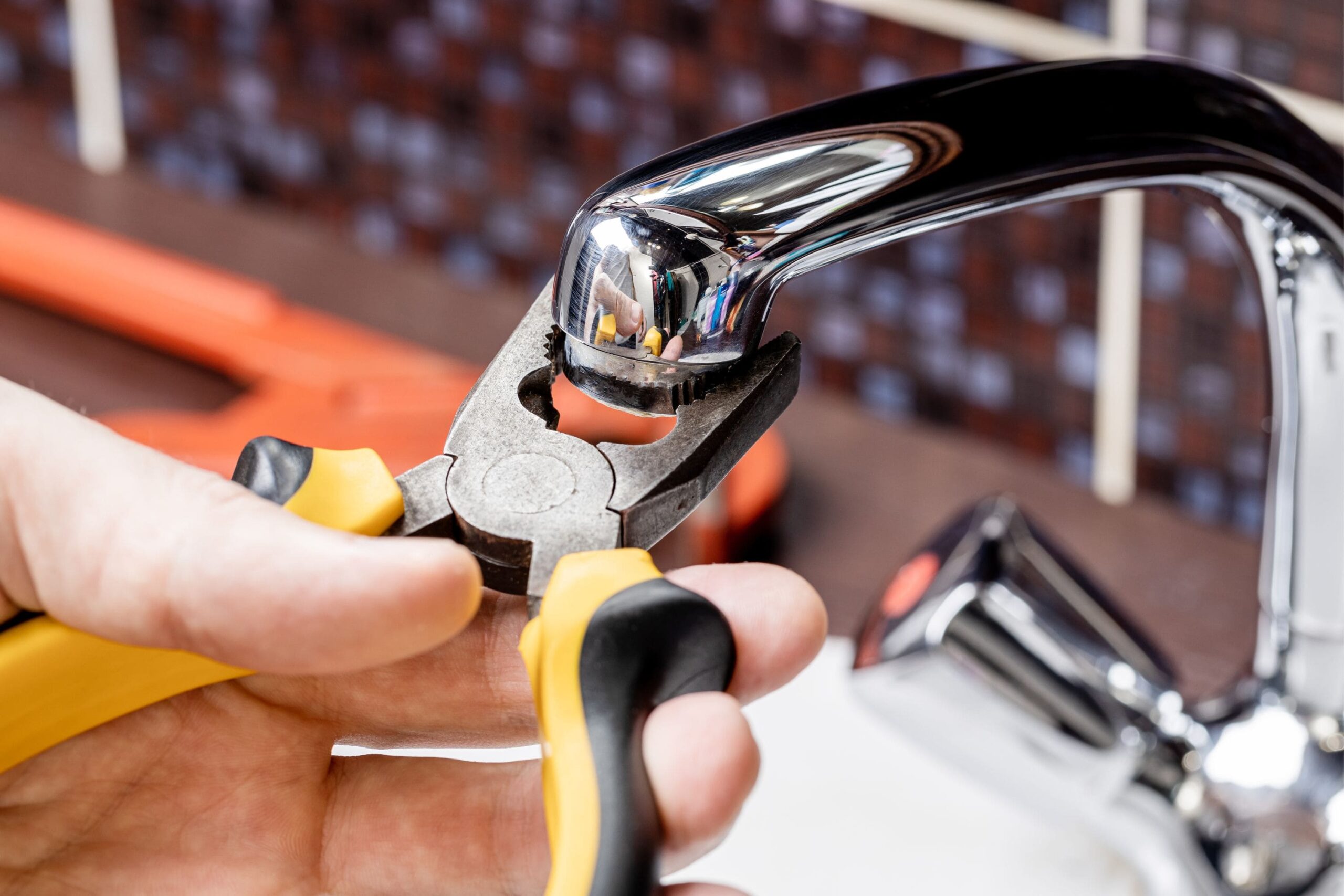
- Pliers: Helpful for gripping small parts.
- Tape measure: To measure the distance for replacement parts.
- Towels or rags: For cleaning up any water spills.
- Bucket: To collect any leaking water during the repair.
Materials Required
- Replacement washers: Typically comes in sizes 12mm, available at stores like Supermart or local hardware shops. Costs between N150 and N300.
- O-rings: Used in compression fittings. Prices range from N100 to N250.
- Plumber’s grease: For lubrication. Cost is around N500.
- Replacement tap head (if needed): Prices from N1,000 to N3,000 depending on the brand and type.
Step-by-Step Guide
With your tools and materials at hand, you’re ready to begin the repair. Here’s a detailed step-by-step guide to fixing a leaking tap at home in Nigeria.
Step 1: Turn Off the Water Supply
Importance: Before beginning any plumbing work, ensure that you turn off the water supply to the tap to prevent flooding.
To locate the shut-off valve, look under the sink. Turn it clockwise to close it. If there is no shut-off valve, you may need to turn off the main supply to your house.
Step 2: Drain the Tap
After shutting off the water supply, open the tap to let any remaining water drain out. This step is essential to avoid unnecessary water spillage during repair.
Step 3: Remove the Tap Handle
What to do: Use a screwdriver to remove the screws securing the handle and gently pull the handle off the tap.
If you can’t see screws, there may be decorative caps hiding them. Pry off the cap with a flathead screwdriver.
Step 4: Remove the Packing Nut
Once the handle is removed, use an adjustable wrench to loosen and remove the packing nut located beneath the handle. Be careful not to damage surrounding areas.
Step 5: Inspect Washers and O-rings
After removing the packing nut, you can access the rubber washer or O-ring inside the tap. Inspect them for wear and tear.
- If they are worn out, this is likely the cause of the leak.
- Measure the size to ensure you purchase the correct replacements.
Step 6: Replace the Washers and O-rings
Remove the old washers or O-rings and replace them with new ones of the same size. If needed, apply plumber’s grease before installing them to ensure a proper seal and prevent future leaks.
Step 7: Reassemble the Tap
Final Steps: Reverse the steps taken earlier by reattaching the packing nut, handle, and any decorative caps. Ensure everything is tightened securely, but be careful not to overtighten, which can damage the fittings.
Costs and Fees
Understanding the cost of repairing a leaking tap is crucial for budgeting your DIY project. Here’s a breakdown of expected expenses in 2026:
- Adjustable Wrench: N1,500 – N3,500
- Screwdriver Set: N1,000 – N2,000
- Pliers: N500 – N1,000
- Replacement Washers: N150 – N300 each
- Replacement O-rings: N100 – N250 each
- Plumber’s Grease: N500
- Replacement Tap Head: N1,000 – N3,000 (if necessary)
Total Estimated Cost: If you already have the tools, you can complete the repair for approximately N500 to N2,000. If you need to purchase all the tools and materials, the costs may total between N4,500 and N10,000.
Comparison
Here’s a comparison of commonly used tap types and their repair costs:
| Tap Type | Typical Cost of Repair | Material Required |
|---|---|---|
| Compression Tap | N1,500 – N3,500 | Washers, O-rings |
| Ball Tap | N2,000 – N5,000 | Ball mechanism, O-rings |
| Cartridge Tap | N2,500 – N6,000 | Cartridge replacement |
| Disk Tap | N3,000 – N7,000 | Disk mechanism, O-rings |
Common Mistakes to Avoid
It’s easy to make mistakes while trying to fix a leaking tap. Here are some common errors and how to avoid them:
- Ignoring the Water Supply: Always shut off the water supply first. Not doing so can lead to serious flooding.
- Not Identifying the Type of Tap: Different taps have different mechanisms. Ensure you know the type of tap you are dealing with to buy the right parts.
- Overtightening Components: While it’s essential to ensure a good seal, overtightening can damage fittings. Be firm but gentle.
- Using Wrong Replacement Parts: Measure existing washers and O-rings accurately to avoid mismatches.
- Skipping Lubrication: Always use plumber’s grease on new parts to ensure longevity and prevent leaks.
Tips and Insider Knowledge
Here are some insider tips that are not commonly known but can help you succeed in fixing your leaking tap:
- Buy Spare Parts: It’s always wise to buy a few extra washers and O-rings. They are inexpensive and useful for future repairs.
- Know Where to Find Parts: Hardware stores like Shoprite often have plumbing sections, or you can check local markets. Prices may vary, so shop around.
- Check for Other Potential Issues: A simple leak could be a sign of larger plumbing issues. If you notice other irregularities, consider consulting a professional.
- Keep Tools Organized: Store your tools in a designated toolbox. This makes future repairs easier and saves time.
- Consult With Neighbors or Friends: If you’re unsure about the process, reach out for help or advice. Many people have faced similar issues and can offer guidance.
Frequently Asked Questions
1. What causes a tap to leak?
Taps commonly leak due to worn washers, O-rings, or corroded valve seats. Regular use can wear down these components over time, leading to leaks.
2. How much water is wasted from a leaking tap?
A small constant drip can waste over 30 liters of water a day. That can add up to significant usage by the end of the month, affecting both your water bill and the environment.
3. Can I fix any type of tap?
Yes, most types of taps can be fixed with the right tools and replacement parts. However, the method may vary according to the tap type (compression, ball, cartridge, disk).
4. How long does it take to fix a leaking tap?
Typically, the repair process can take anywhere from 30 minutes to an hour, depending on your experience and the type of tap being repaired.
5. Should I call a plumber if I can’t fix the tap?
If the leak persists after your efforts or you encounter difficulties in the repair process, it’s advisable to consult a licensed plumber. They can provide professional insight and ensure the problem is fixed properly.
Conclusion
Repairing a leaking tap in your home is a practical and straightforward DIY task that can result in significant savings and contribute to water conservation. By following the step-by-step guide provided, you’ll be well-equipped to tackle this issue confidently. Armed with the right tools, materials, and knowledge, you can save not only water but also money that would have otherwise gone on a plumber’s services. So, gather your tools and take charge of your home plumbing needs today!
