
Introduction
In Nigeria, a leaking tap isn’t just a minor annoyance; it’s a common household problem that can lead to increased water bills and contribute to water wastage. With the ongoing water issues in many regions and the rising costs of basic utilities, understanding how to fix a leaking tap at home becomes essential for every Nigerian homeowner. Not only will you save money, but you’ll also contribute to sustainable water usage in your community.
This comprehensive guide will walk you through the entire process of identifying the problem with your leaking tap, gathering the necessary materials, and executing the fix. You’ll also learn useful tips that are specific to navigating plumbing in Nigeria, including real costs, local brands, and pertinent regulations. By the end of this guide, you’ll be equipped with the knowledge to tackle this common home repair project confidently.
What You Need
Before embarking on the journey to fix a leaking tap, it’s vital to gather all necessary tools and materials. Here’s what you will need:
- Tools:
- Adjustable wrench or pliers
- Screwdriver (flathead and Phillips)
- Bucket or container to catch water
- Towels for cleanup
- Materials:
- Replacement washers (usually rubber)
- Replacement O-rings
- Pipe sealant or Teflon tape
- Plumber’s grease (optional)
- Documentation:
- Receipts for purchases (keep them for potential warranty issues)
- Instruction manual for the tap (if available)
Please note that the cost of tools can range from N5,000 to N15,000, while materials like washers and O-rings typically cost between N1,000 and N5,000, depending on the brand.
Step-by-Step Guide
Now that you have everything you need, let’s dive into the detailed steps to fix a leaking tap. Be sure to follow each step carefully to ensure a successful repair.
Step 1: Turn Off the Water Supply
The first thing you want to do is turn off the water supply to your tap. Locate the shut-off valve under the sink and turn it clockwise until it is tight. If you can’t find it, you might need to shut off the main water supply to the house instead.
Step 2: Drain the Tap
Open the leaking tap to drain any remaining water from the pipes. Have a bucket or container handy to catch any water that spills out during this process. This is crucial to prevent water from spilling all over your work area.
Step 3: Remove the Tap Handle
Use a screwdriver to remove the screws holding the tap handle in place. Some taps may require you to pop off a decorative cap to access the screws. After removing the screws, gently pull the handle off the tap base.
Step 4: Take Off the Faucet Body
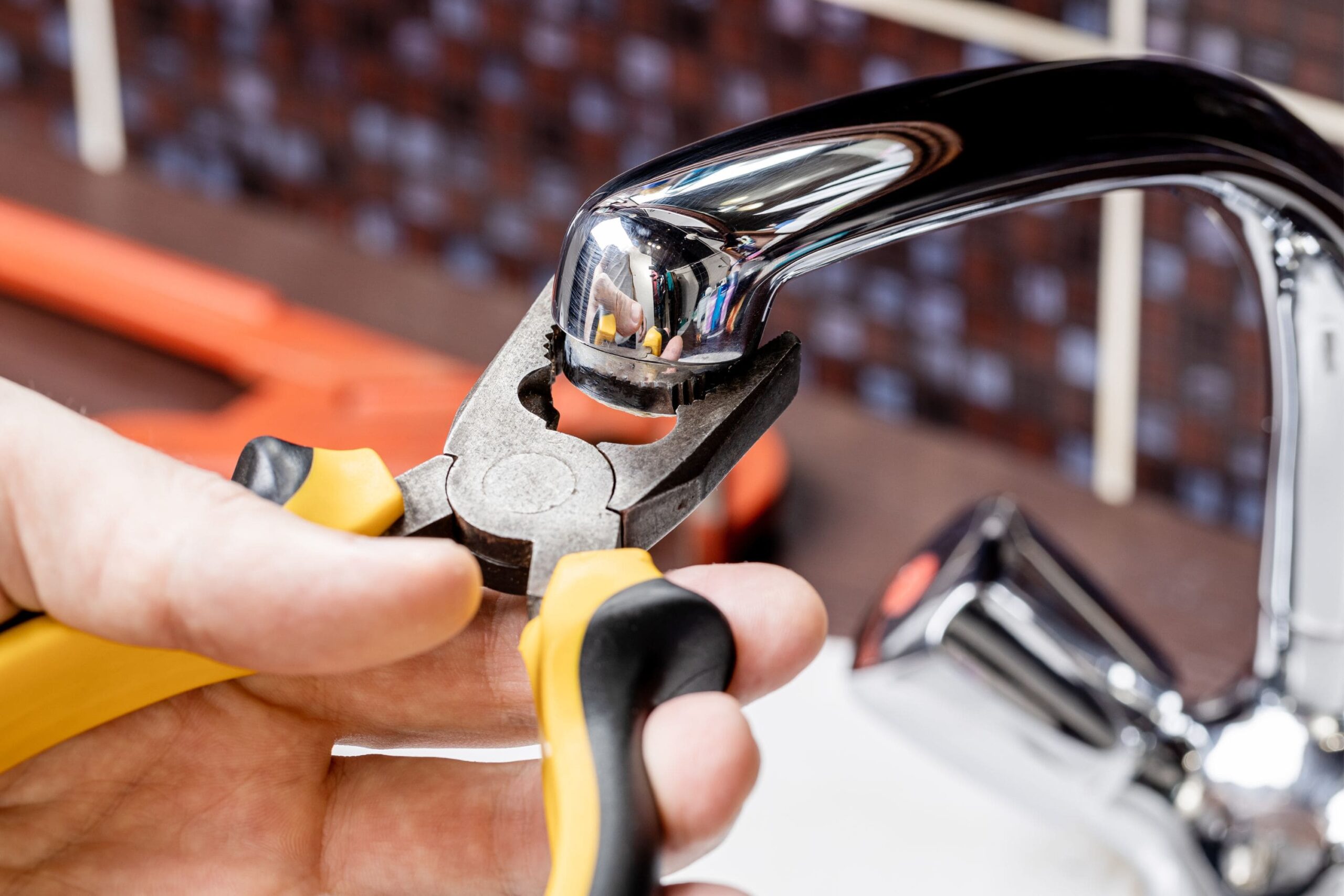
Next, use an adjustable wrench to unscrew the faucet body. Be careful not to apply too much force as you can damage the fittings. Once the faucet body is detached, you’ll be able to see the inner components.
Step 5: Inspect and Replace the Washer
Within the faucet body, you’ll find the washer that is often the culprit for leaks. Remove the old washer and measure it against a new one to ensure a correct fit. Replace it and apply plumber’s grease to the new washer to provide a better seal.
Step 6: Reassemble the Tap
After replacing the washer, reassemble the tap in reverse order of disassembly. Ensure that all screws and fittings are tightened properly. However, avoid overtightening as this can cause damage.
Step 7: Turn the Water Supply Back On
Once everything is reassembled, turn the water supply back on and check for leaks. Open the tap and run the water for a few minutes. Observe carefully for any signs of leaking. If there are no leaks, congratulations! You’ve successfully fixed the tap.
Costs and Fees
Understanding the costs involved in fixing a leaking tap can lead to better budgeting for your DIY projects. Here is a detailed breakdown of potential costs:
- Tools: N5,000 – N15,000 (if you don’t already own them)
- Washers: N1,000 – N3,000
- O-rings: N500 – N1,500
- Pipe Sealant/Teflon Tape: N500 – N1,000
- Plumber’s Grease: N1,000 – N2,500
Overall, you should budget around N10,000 to N25,000, depending on what tools you already have and materials you need to buy.
Comparison
Here’s a quick comparison of common tap types and their respective common issues:
| Type of Tap | Common Issues | Repair Difficulty |
|---|---|---|
| Centrifugal Tap | Leaking due to worn-out washers | Easy |
| Compression Tap | Leaking from body or handles | Moderate |
| Ceramic Disc Tap | Leaks around the base | Difficult |
Common Mistakes to Avoid
When fixing a leaking tap, it’s easy to make mistakes that can complicate the repair. Here are some common pitfalls and tips on how to avoid them:
- Forgetting to turn off the water: Always ensure the water supply is turned off before starting any repairs to avoid flooding.
- Not replacing all necessary parts: If one washer is worn out, others can be as well. Replace everything necessary to avoid future leaks.
- Applying too much force: Over-tightening screws and fittings can damage the tap. Always tighten just enough to secure, but not excessively.
- Skipping plumber’s grease: It’s essential for lubrication and sealing. Skipping it can lead to future leaks.
- Rushing the job: Taking your time ensures accuracy; rushing can lead to mistakes and more repair needs.
Tips and Insider Knowledge
Here are some insider tips that can simplify your tap repair process:
- Use local brands: Consider using locally sourced parts. Brands like Plumbase and Jumia offer quality plumbing materials at reasonable prices.
- Visit a local market: For affordable plumbing parts, visit places like Balogun Market in Lagos or Owerri Main Market. You often find better deals than supermarkets.
- Save your receipts: If your repair doesn’t hold, having your receipts will help in potentially getting a replacement under warranty.
- Stay aware of your utilities: Regularly inspect your faucets. An early fix will save you from more significant, costlier problems later.
- Educate your family: Teach your family members how to turn off the water supply; an emergency can arise when you are not around.
Frequently Asked Questions
- What causes taps to leak?
Common causes include worn-out washers and O-rings, build-up of mineral deposits, and corrosion of internal parts. - How can I find the right replacement parts?
Take the old parts to a local hardware store; they can help ensure you get the right size and type. - Can I use any type of washer?
No. Ensure you get the appropriate washer specific to your tap type to avoid further issues. - Is it worth fixing a tap myself?
Yes, fixing a tap is a cost-effective solution compared to hiring a plumber. Plus, it enhances your DIY skills. - What should I do if I can’t stop the leak?
If the leak persists or worsens after your repair, consider contacting a professional plumber.
Conclusion
Fixing a leaking tap at home in Nigeria is a straightforward DIY project that can save you money and help conserve water. With the right tools and knowledge from this guide, you can effectively address this common issue. Remember to take your time, use proper techniques, and don’t hesitate to seek professional help if you feel unsure at any step. Happy fixing!
