
Introduction
Have you ever noticed water dripping incessantly from your tap at home? If so, you’re not alone! A leaking tap is a common household problem that many Nigerians face. Often seen as a minor inconvenience, it can lead to higher water bills and wasted resources. In a country like Nigeria, where water scarcity and conservation are growing concerns, learning how to fix a leaking tap is not only practical but essential.
This comprehensive guide will walk you through the entire process of fixing a leaking tap at home, specifically tailored to the Nigerian context. You will learn about the necessary tools, materials, and a step-by-step guide to executing the repair yourself. By the end of this article, you’ll be empowered to tackle this problem head-on and save money on plumber fees.
Additionally, we’ll cover real statistics about water loss due to leaks, common mistakes to avoid, and insider tips to ensure your repair is long-lasting. So, whether you’re a seasoned DIYer or a novice looking to learn something new, this guide is for you!
What You Need
Before diving into the repair process, let’s gather all the necessary tools and materials. Being prepared is crucial to ensure a smooth fixing experience.
- Tools:
- Adjustable wrench
- Screwdriver (Phillips and flathead)
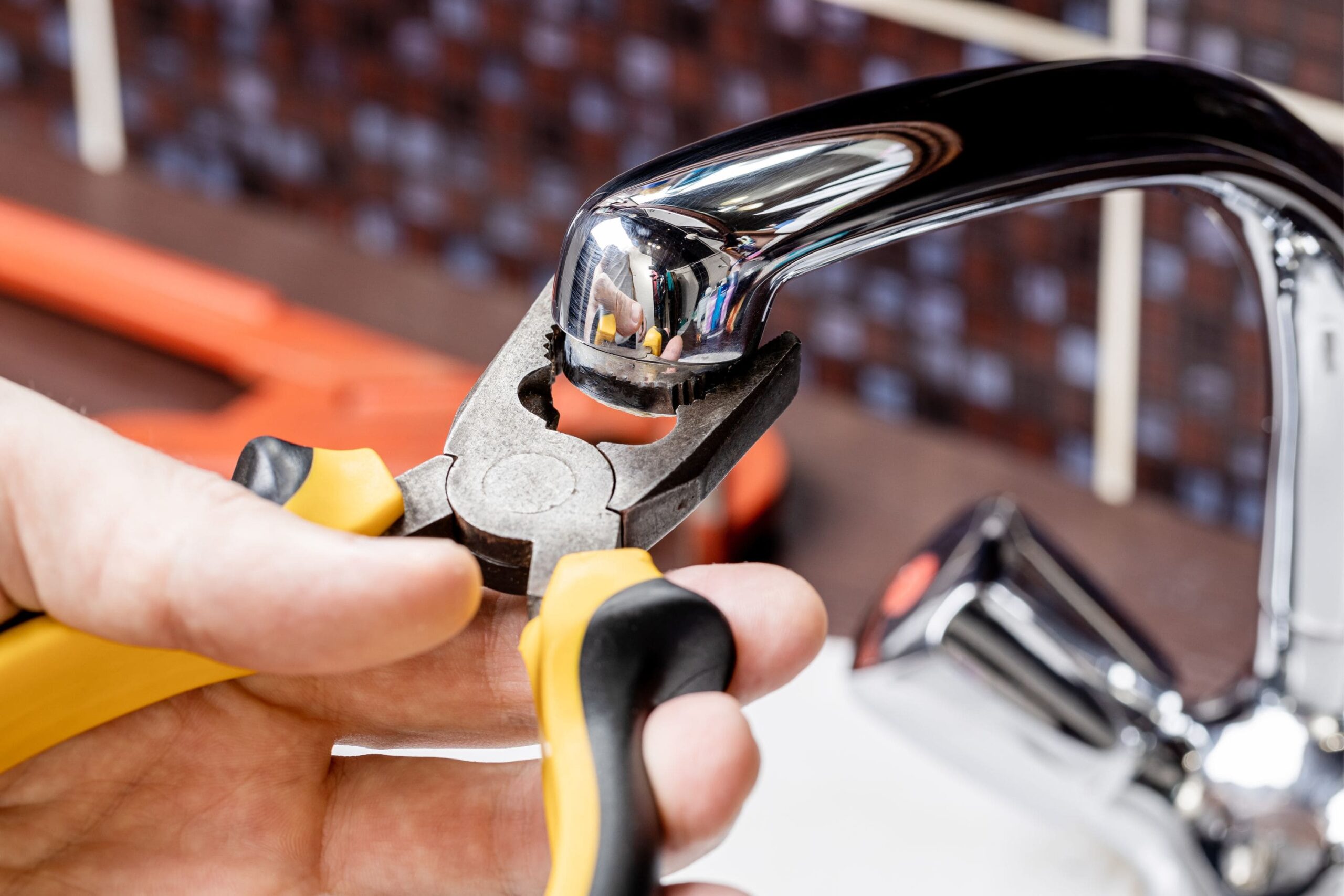
- Pliers
- Utility knife
- Bucket or container (to catch any water)
- Flashlight (if working in dim areas)
- Materials:
- Replacement washers (12mm is common for most taps)
- O-rings (size may vary depending on your tap model)
- Plumber’s tape
- Silicone grease (for easy installation of new components)
- Paint stripper (optional, if you want to repaint after repair)
- Prerequisites:
- Basic understanding of how your tap works
- Knowledge of where the main water shut-off valve is located, usually found near the water meter.
- Estimated Costs:
- The tools may cost you between N1,500 to N6,000 depending on quality and availability.
- Replacement washers and O-rings typically range from N150 to N1,000 based on your local hardware store.
- Plumber’s tape and silicone grease would go for about N200 to N500.
Step-by-Step Guide
Now that you’ve gathered everything, let’s take you through the step-by-step process to fix that leaking tap.
Step 1: Shut Off the Water Supply
The first thing you should do is locate and shut off the main water supply to your home. This prevents water from flowing while you are repairing the tap.
For most houses, the main shut-off valve is located near the water meter, either outside or inside the house. If your tap has a dedicated shut-off valve, turn that off instead.
Step 2: Drain the Tap
After shutting off the water supply, turn on the tap to let any remaining water flow out. This helps reduce mess during the repair. Make sure to place a bucket or container underneath to catch drips.
Step 3: Unscrew the Tap Handle
Next, use a screwdriver to remove the screws securing the tap handles. Depending on your tap model, you may need to remove decorative caps to access the screws. Carefully pull the handle off.
Step 4: Remove the Nut and Handle Seat
Use your adjustable wrench to unscrew the nut holding the handle seat in place. Be mindful of the parts you’re removing; keep everything organized. Once the nut is off, gently lift up the handle seat.
Step 5: Inspect and Replace Washers/O-rings
With the handle seat removed, you should see the washers or O-rings. Inspect these parts for wear and tear; they’re usually the cause of the leak. If they’re worn out, replace them with the new ones you bought. Ensure the sizes match properly.
Step 6: Reassemble the Tap
After replacing the washers and O-rings, it’s time to reassemble your tap. First, put the handle seat back in, followed by the nut. Use your wrench to secure it tightly but avoid over-tightening, which can damage the components.
Step 7: Turn the Water Supply Back On
Finally, turn the water supply back on and check for leaks. Turn the tap on and off a few times to ensure everything works well. If you still see water dripping, double-check your repairs and tighten any loose components.
Costs and Fees
Let’s break down the costs you might incur while fixing a leaking tap:
- Tools: N1,500 – N6,000
- Replacement Washers and O-rings: N150 – N1,000
- Plumber’s Tape: N200 – N500
- Silicone Grease: N150 – N350
- Total Estimated Cost: N2,150 – N8,850
This is significantly cheaper than hiring a plumber, which can cost between N5,000 and N15,000 just for a simple leaking tap repair in Nigeria.
Comparison
| Option | Cost | Time Required | Skill Level |
|---|---|---|---|
| DIY Repair | N2,150 – N8,850 | 1-2 Hours | Beginner to Intermediate |
| Hiring a Plumber | N5,000 – N15,000 | 30 Min – 1 Hour | No Skills Required |
Common Mistakes to Avoid
While fixing a leaking tap may seem straightforward, several common mistakes can lead to further issues:
- Not Shutting Off Water Supply: Always turn off the water before starting any repairs to avoid a messy situation.
- Ignoring Tool Quality: Using poorly made tools can result in more issues, damaging the tap further.
- Using Incorrect Size Washers: Measure before you buy; using the wrong size can lead to ongoing leaks.
- Failing to Reassemble Properly: Disorganized parts during reassembly can lead to missing components or improper fit.
Tips and Insider Knowledge
Here are some insider tips that can save you time and hassle when fixing that leaking tap:
- Shop at Local Hardware Stores: To find the best quality parts at competitive prices, visit local hardware stores or markets like Alaba International Market in Lagos or Ariaria Market in Aba.
- Use Silicone Grease: A little silicone grease on O-rings and washers can help them fit snugly and extend their lifespan.
- Consult Online Forums: Platforms like Nairaland can offer practical advice from someone who’s faced the same issue.
- Check Tap Brand Manuals: Brands like GZ International often include guides specific to your tap model.
Frequently Asked Questions
Here are some of the most common questions Nigerians ask about fixing leaking taps:
1. Can I really fix a leaking tap by myself?
Yes, most leaks can be easily fixed with the right tools and a bit of patience. Just follow the steps outlined in this guide.
2. How do I know if the washer needs to be replaced?
If you notice persistent dripping after using the tap or visible wear on the washer, it’s time to replace it.
3. What if the leak continues after I’ve replaced the washer?
If the leak persists, it may indicate a larger plumbing issue. Consult a plumber for a thorough inspection.
4. How often should I replace tap washers?
It’s advisable to inspect washers every 2-3 years, especially in high-use taps, to prevent leaks from developing.
5. Are there specialized tools for fixing taps?
While basic tools are sufficient, specialized plumbing tools can make the job easier if you frequently engage in DIY plumbing repairs.
Conclusion
Fixing a leaking tap at home in Nigeria is not only feasible but also a rewarding experience that can save you money and resources. With the right tools, straightforward steps, and insider tips provided, you can manage this task efficiently. By taking action against minor leaks, you contribute to more responsible water usage in your household. So roll up your sleeves and get started!
