
Introduction
Being a homeowner in Nigeria comes with its unique set of challenges, and among these is maintaining essential fixtures like taps. A leaking tap may seem like a minor inconvenience, but it can lead to increased water bills, potential water damage, and even issues with pests if left unchecked. In Nigeria, where water scarcity is still a significant concern, every drop counts.
In this comprehensive guide, you will learn how to fix a leaking tap at home, empowering you to save on plumbing costs and embrace the DIY spirit that many Nigerians are adopting today. You’ll find detailed steps tailored for the Nigerian context, including local materials, cost considerations, and insider tips that will help you tackle this common household problem effectively.
Moreover, this guide will ensure that you understand not just the “how” of fixing a leaking tap but also the “why.” By delving deeply into the causes of a leak and the most effective solutions, you’ll be equipped to solve the problem efficiently. Whether you’re a seasoned DIY enthusiast or a complete novice, by the end of this post, you’ll have all the resources needed to address that pesky leak.
What You Need
Before you dive into the repair process, it’s essential to gather all the necessary tools and materials. Here’s a comprehensive list based on common tap types found in Nigerian households:
- Tools:
- Adjustable wrench
- Screwdriver (flat-head and Phillips)
- Tape measure
- Plumber’s tape (also known as Teflon tape)
- Bucket or bowl (to collect water)
- Cleaning cloth
- Materials:
- Rubber washer (cost: N150 – N500 depending on size)
- O-ring seal (cost: N200 – N700)
- Screw (if damaged, costs: N100 – N300)
- Replacement tap (if needed, costs range from N5,000 to N20,000)
Ensure that your chosen materials fit the specific type of tap you’re dealing with. Knowing which type of tap you have is essential—commonly used taps in Nigeria include compression taps, cartridge taps, and ball taps.
Step-by-Step Guide
Now that you have everything ready, let’s get into the details of how to fix a leaking tap. Follow these seven steps closely:
Step 1: Turn Off the Water Supply
Before attempting any repairs, you must turn off the water supply to avoid flooding your work area. Most homes in Nigeria will have a main water valve. This is often located near the water meter. Turn this valve clockwise until it stops.
Step 2: Open the Tap and Release Water Pressure
This step is crucial to avoid any mess. Open the tap fully to allow any remaining water to drain. This will also relieve any pressure in the pipeline.
Step 3: Remove the Tap Handle
Using a screwdriver, gently remove the screws from the handle of the tap. If your tap features decorative caps, you may need to pry these off first to access the screws. Carefully lift the handle once the screws have been removed.
Step 4: Unscrew the Packing Nut
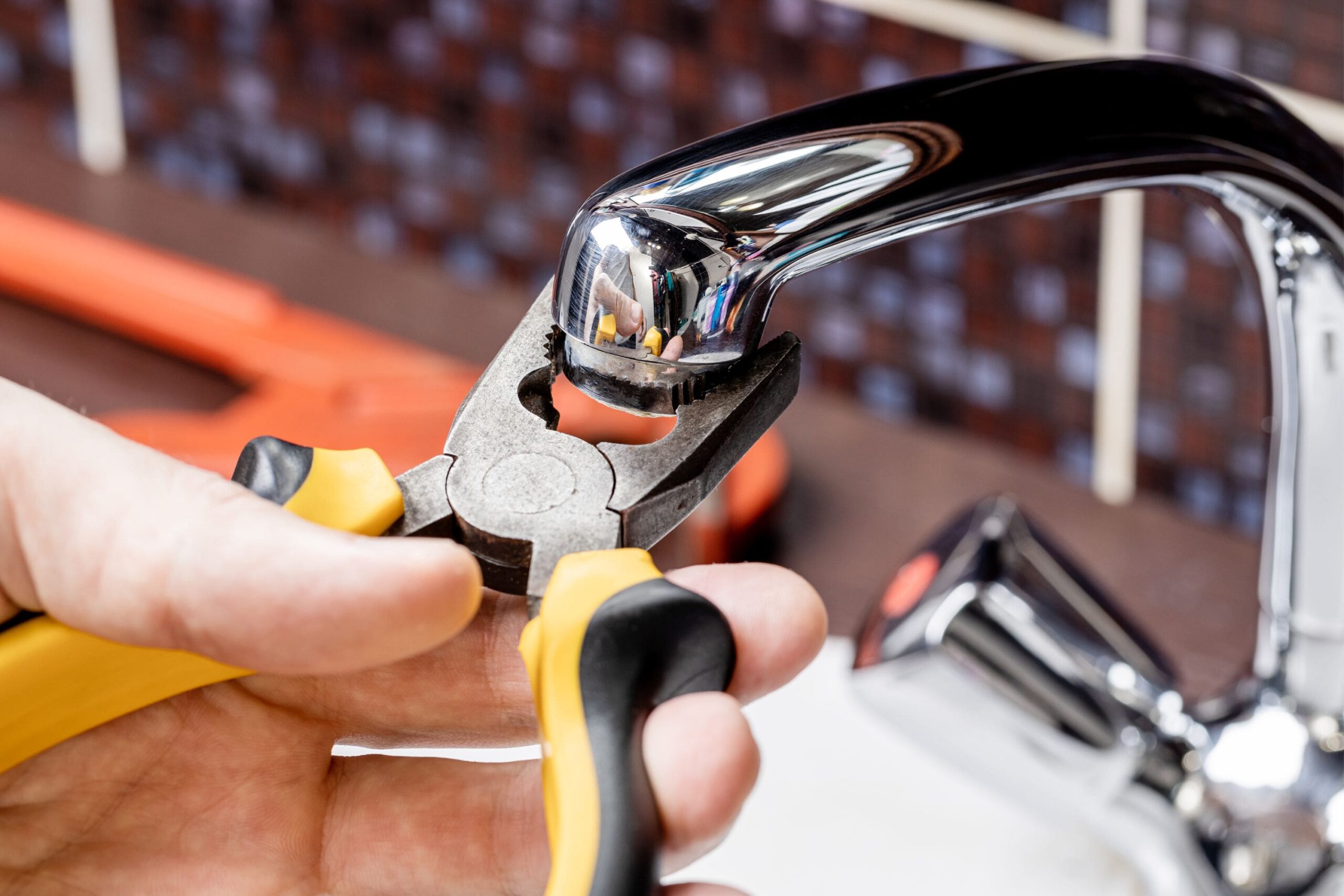
Locate the packing nut, which usually sits beneath the handle. Use your adjustable wrench to loosen this nut carefully. Be cautious not to apply too much force as this may damage surrounding components.
Step 5: Replace the Washer or O-ring
At this stage, you will see the rubber washer or O-ring. This is typically the culprit behind leaks. If it’s worn out or damaged, remove it and replace it with a new one, ensuring it fits snugly. The cost of a new rubber washer ranges from N150 to N500 depending on the size and quality.
Step 6: Reassemble the Tap
Once you have replaced the faulty component, reassemble the tap in the reverse order of disassembly: screw the packing nut back on, reattach the handle, and secure it with screws. Make sure everything is tightened carefully but not excessively tight to avoid further damage.
Step 7: Turn the Water Supply Back On and Test
After you’ve reassembled the tap, turn the water supply back on. Test the tap by turning it on and off to check for leaks. Ensure that everything is functioning correctly. If everything is sealed, you should not notice any dripping or leaking.
Costs and Fees
Here’s a breakdown of potential costs you might incur when fixing a leaking tap in Nigeria:
| Item | Estimated Cost (Naira) |
|---|---|
| Rubber Washer | N150 – N500 |
| O-ring Seal | N200 – N700 |
| Screws (if needed) | N100 – N300 |
| Replacement Tap (if necessary) | N5,000 – N20,000 |
| Miscellaneous Tools | N1,000 – N3,000 (if you don’t own any tools) |
In total, if you hire a plumber, labor costs can range from N2,000 to N5,000 depending on the plumber’s experience and the job complexity. In doing it yourself, overall costs can be minimized to between N1,000 and N8,000 depending on whether you only need a washer replacement or a full tap replacement.
Comparison
To help illustrate the various tap types and costs more clearly, refer to this comparison of tap types commonly available in Nigeria:
| Tap Type | Common Features | Typical Cost (Naira) |
|---|---|---|
| Compression Tap | Traditional style, pressure on rubber washer to seal | N5,000 – N12,000 |
| Cartridge Tap | Modern design, uses a cartridge for operation, minimal leaks | N8,000 – N15,000 |
| Ball Tap | Single handle, spherical ball to control water | N12,000 – N20,000 |
Common Mistakes to Avoid
Many Nigerians encounter issues when fixing taps due to common oversights. Here are some to avoid:
- Not turning off the water supply: This can lead to messy and frustrating situations.
- Ignoring the type of tap: Different taps have different mechanics; failing to know which you have can complicate repairs.
- Over-tightening components: This can lead to damage and possible breakage of parts.
- Using incorrect replacement parts: Always ensure that new washers or seals match the old ones in size and type.
- Neglecting the workspace: Working in a cluttered environment can lead to misplaced parts and errors.
Tips and Insider Knowledge
Here are some insider tips to get the job done efficiently:
- Use plumber’s tape: After replacing washers or O-rings, wrap the threads of the screw with plumber’s tape. This adds an additional layer of protection against leaks.
- Clean components: Before reassembling your tap, wipe down all components to remove grime and build-up, ensuring a proper seal when you reassemble.
- Keep spare parts: It’s wise to have common sizes of washers and O-rings on hand, as these are frequent failure points in taps.
- Check your local hardware store: While many parts can be found online, visiting a local store can sometimes yield better deals and immediate availability.
- Consult your neighbors: They may have dealt with similar tap issues and can recommend trusted plumbers or solutions.
Frequently Asked Questions
- How do I know if my tap is leaking?
- Can I fix any tap type myself?
- What are the long-term effects of a leaking tap?
- How often should I check my tap for leaks?
- What time of year is best for DIY repairs?
If you notice water pooling under your tap or hear dripping sounds when the tap is turned off, it’s likely leaking.
Most household tap types can be fixed with basic tools and knowledge, but complex designs may require professional help.
A leaking tap can lead to increased water bills, potential mold growth, and damage to cabinets or ceilings due to water exposure.
It’s good practice to check taps at least every six months, particularly if they are frequently used.
Dry seasons are preferable, as water usage tends to be lower, making it easier to manage repairs without pressure.
Conclusion
Fixing a leaking tap at home in Nigeria is a manageable task that can save both time and money. Armed with the right tools, some basic technical knowledge, and determination, you can address this common household issue effectively. By following the steps outlined in this guide, you’ll not only solve the leak but also gain valuable skills for future DIY projects. So, roll up your sleeves, and get to work!
