
Introduction
Imagine waking up to the incessant sound of water dripping, only to realize it’s coming from the tap in your kitchen or bathroom. A leaking tap is not just a nuisance; it can lead to significant water wastage and even higher utility bills. In Nigeria, where water availability can be an issue, ensuring that every drop is utilized effectively is paramount. Additionally, the rising cost of living means that finding ways to cut down on home maintenance costs is essential for many Nigerians.
This guide aims to provide a comprehensive overview of how to fix a leaking tap at home in Nigeria, ensuring that you have the necessary tools, materials, and knowledge to tackle the issue yourself. You will learn about the common causes of leaks, step-by-step repair instructions, and insider tips tailored specifically for the Nigerian context. By the end of this article, you should feel confident in resolving this common household issue.
Whether you’re renting or a homeowner, knowing how to handle minor plumbing issues can save you money and unnecessary stress. From preparing your workspace and gathering materials to the actual repair process, we will cover everything you need. Let’s get started!
What You Need
Before diving into repairs, you need to gather the necessary tools and materials. Here’s what you’ll typically require:
- Tools:
- Adjustable Wrench
- Screwdriver (Flathead and Phillips)
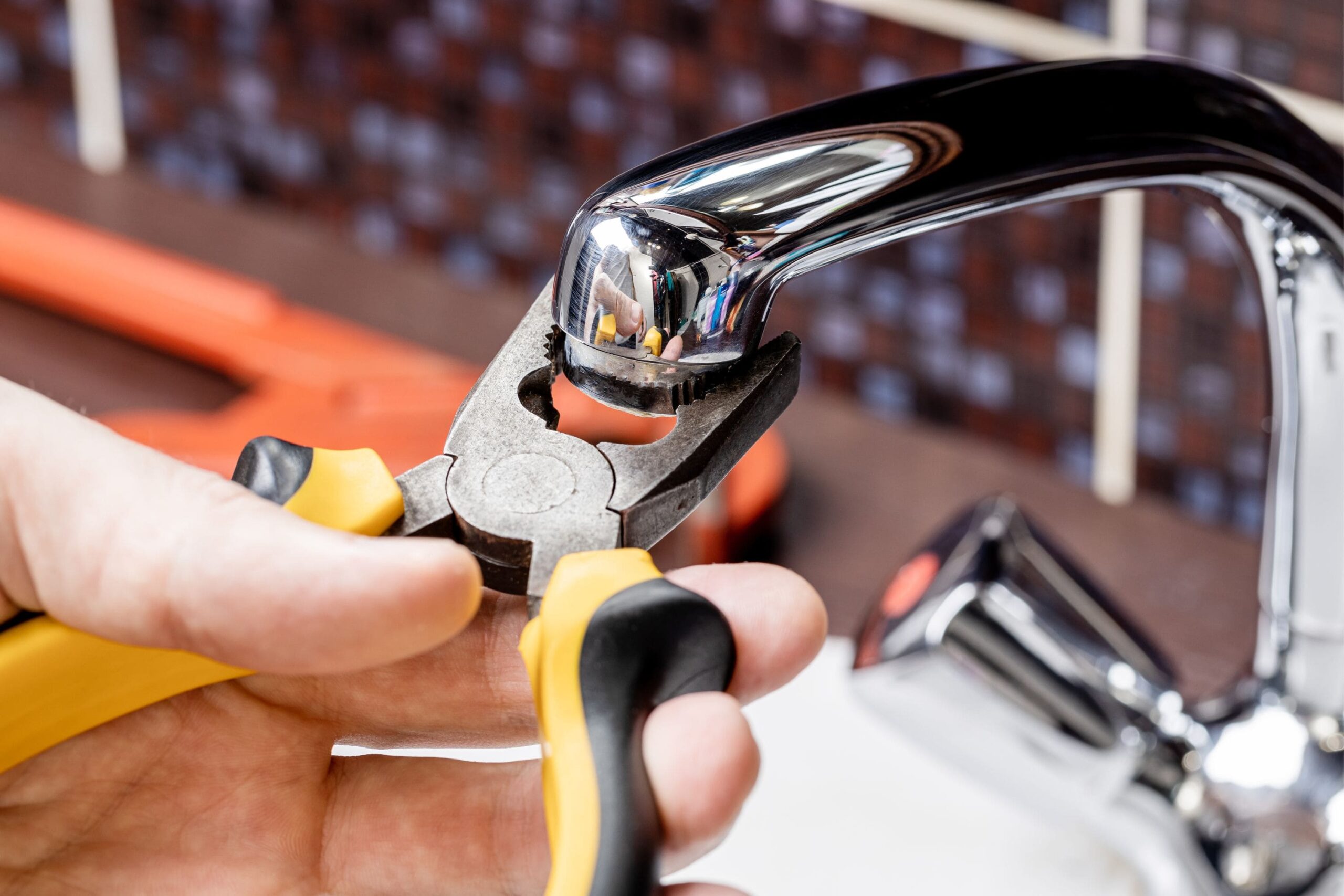
- Pliers
- Tape Measure
- Bucket or Basin (to catch any dripping water)
- Materials:
- Replacement Washers (usually 11mm to 15mm in size)
- O-rings (size varies based on your tap model)
- Plumber’s Grease
- Sealant (optional, depends on the tap type)
- Prerequisites:
- Water Supply Shutoff (usually located under the sink)
- Safety Gear (gloves and goggles are recommended)
- Estimated Cost: Expect to spend between N2,500 and N10,000, depending on the parts you need, if you don’t already have them.
Step-by-Step Guide
Here’s how to fix a leaking tap at home in Nigeria in 7 easy steps:
Step 1: Turn Off the Water Supply
Your first action should be to locate and turn off the water supply to the tap. This is typically found under the sink. Turn the shutoff valve clockwise until it’s tight to prevent any water from coming through. If your tap has an isolation valve, you can turn this off instead.
Step 2: Drain the Tap
Next, open the tap to drain any residual water left in the pipe. Place a bucket or basin beneath the tap to catch any remaining water. Allow a moment for it to completely drain. This prevents messy spills during the repair.
Step 3: Remove the Tap Handle
Using a screwdriver, remove the screw securing the handle. In some taps, you may have to pry off decorative caps to access the screws. Carefully lift off the handle to expose the internal components.
Step 4: Remove the Valve or Cartridge
Next, remove the valve or cartridge that controls the flow of water. Depending on the tap model, this could require unscrewing a retaining nut. Use your adjustable wrench to carefully loosen and remove it. Be cautious not to damage the surrounding area during this process.
Step 5: Inspect and Replace the Washer/O-ring
Once you have the valve or cartridge in hand, inspect the washer or O-ring for any signs of wear or damage. If you see cracks or deformation, it’s time to replace it. Visit a local hardware store to find a suitable replacement. Ensure you take the old part with you to find an exact match.
Step 6: Reassemble the Tap
After replacing the worn part, you can start reassembling the tap. Reattach the valve or cartridge, ensuring it fits snugly. Tighten it without overdoing it to avoid stripping the threads. Then, place the handle back onto the tap and secure it with screws.
Step 7: Test for Leaks
Once everything is reassembled, it’s time to turn the water supply back on. Slowly open the shutoff valve and check for any leaks around the tap. If it still leaks, double-check that all parts are installed correctly and that you used the right size washer or O-ring.
Costs and Fees
Here’s a breakdown of the potential costs you might incur when fixing a leaking tap in Nigeria (2026 figures):
| Item | Estimated Cost (Naira) |
|---|---|
| Washers & O-rings | N400 – N2,000 |
| Plumber’s Grease | N500 – N1,500 |
| Basic Tools (if not available) | N2,000 – N5,000 |
| Plumbing Sealant | N1,000 – N3,000 |
| Overall Total Estimated Cost | N2,500 – N10,000 |
Comparison
When it comes to the types of taps and the respective repairs needed, here’s a comparison table of common tap types and their characteristics:
| Type of Tap | Common Issues | Repair Complexity | Expected Repair Cost |
|---|---|---|---|
| Compression Tap | Leaking due to worn washers | Moderate | N2,000 – N5,000 |
| Ball Tap | Worn seals or O-rings | Complex | N3,000 – N6,000 |
| Cartridge Tap | Damaged cartridge | Moderate | N2,500 – N5,500 |
| Faucet Tap | Loose handles leading to leaks | Easy | N1,500 – N4,000 |
Common Mistakes to Avoid
Many Nigerians attempt to fix leaking taps but often make some common mistakes. Here are a few to avoid:
- Not Turning Off the Water Supply: Failing to turn off the water supply before starting work can lead to water spraying everywhere.
- Skipping Drainage: Not draining the tap fully can cause water wastage and make a mess.
- Using Incorrect Tools: Many attempt to use makeshift tools; ensure you have the right tools for the job to avoid damage.
- Ignoring the Cause: Sometimes, the leak is not a simple washer issue. Inspect thoroughly to understand the root cause.
- Over-tightening Parts: Many end up damaging the threads on screws and nuts by overtightening. Tighten them just enough to secure them.
Tips and Insider Knowledge
Now, let’s share some insider knowledge that could save you time and money:
- Supplier Relationships: Establish a good rapport with local hardware shop owners. They can often guide you on the best quality parts to buy.
- Frequent Inspection: Regularly check your plumbing fixtures for wear and tear. A stitch in time can prevent a flood.
- Use Local Brands: Brands like Robo Plumb and Zoomlats provide affordable spare parts that are usually adequate for local plumbing requirements.
- Practice Patience: Don’t rush the process. Take your time during installation to ensure everything is positioned correctly.
- DIY Tutorials: Engage with videos from Nigerian DIYers on platforms like TikTok for visual step-by-step guides.
Frequently Asked Questions
Here are some common questions asked by Nigerians regarding fixing leaking taps:
- Can I use any type of washer to fix my tap?
It’s recommended to use the same type and size of washer that was originally installed. This ensures a proper fit and function. - How often should I replace tap washers?
Ideally, you should inspect tap washers every 1-2 years. However, if you notice leaks, check them immediately. - Are there any quick fixes for a leaking tap?
While some recommend using tape or sealant as a temporary measure, these are not long-term solutions. It’s best to replace worn parts. - What’s the average lifespan of a tap?
A well-maintained tap can last between 10-15 years. Regular maintenance can extend its lifespan. - When should I call a plumber instead?
If you’re unsure about the problem or if it involves extensive plumbing work, it’s wise to consult a professional.
Conclusion
Fixing a leaking tap at home in Nigeria is not only a practical skill to possess but can also save you money and resources. With the right tools, materials, and knowledge at your disposal, you can confidently tackle this common household issue. Remember the steps outlined, and don’t hesitate to seek assistance if needed. Now that you know how to fix those leaks, enjoy a more efficient and cost-effective home.
