
Introduction
Imagine walking into your kitchen or bathroom and hearing that persistent drip, drip, drip from a leaking tap. Not only is it annoying, but a leaking tap can also lead to significant water wastage and higher utility bills. For Nigerians, with a rising cost of living and increased demand for water, addressing such plumbing issues promptly is essential. In this comprehensive guide, we will explore how to fix a leaking tap at home in Nigeria.
Whether you are dealing with a bathroom tap, kitchen tap, or even an outdoor faucet, this guide will provide you with step-by-step instructions, necessary tools, and insider tips tailored to the Nigerian environment. We’ve gathered real costs, potential pitfalls, and solutions so you can confidently tackle the job without the need for a professional—saving you both time and money.
By the end of this article, you will possess the knowledge and skills necessary to repair a leaking tap efficiently, ensuring your home remains functional and water-efficient. Let’s dive in!
What You Need
Before getting started with fixing a leaking tap, it’s important to gather all necessary items. Below are the requirements you’ll need, including the tools, materials, and documents for this DIY project:
Tools Required
- Screwdriver: A flathead and a Phillips screwdriver will be needed for different screws.
- Wrench: An adjustable wrench is used to loosen or tighten nuts.
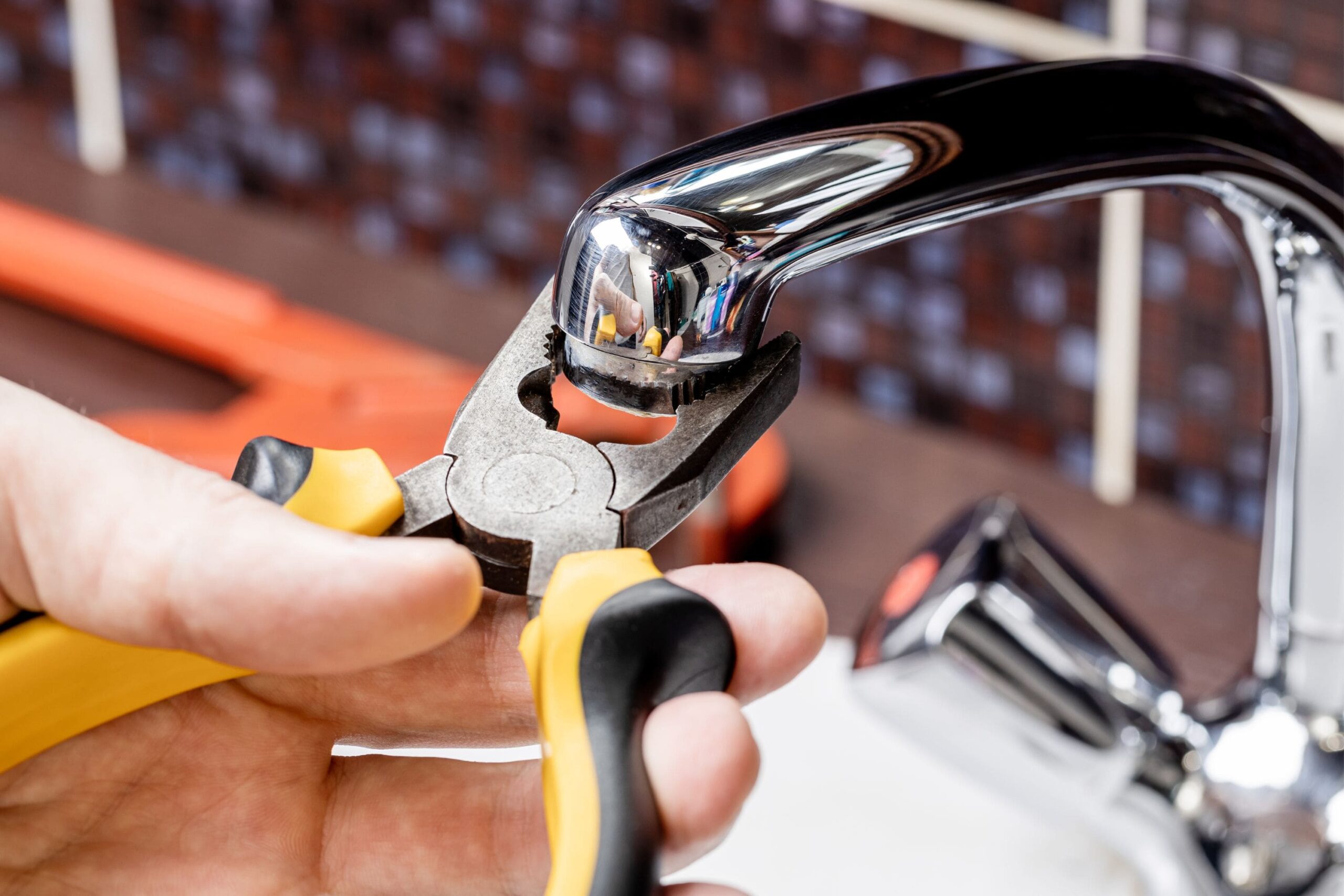
- Pliers: For additional grip on small parts.
- Bucket or basin: To catch any dripping water during the repair.
- Towel or cloth: To wipe up spills and protect surfaces.
Materials Required
- Replacement washer or O-ring: The size depends on your tap type. You can usually find these at local hardware stores like Jumia or PayPorte.
- Plumber’s grease: For sealing and lubrication (cost about N1,500 to N3,000).
Documents and Fees
While there are no specific documents needed to repair a tap personally, if you’re hiring a professional plumber, be prepared for costs associated with their visits. Typical fees can range from N3,000 to N10,000 for minor repairs.
Step-by-Step Guide
Now that you’ve gathered all you need, let’s go through a detailed, cohesive process to fix a leaking tap:
Step 1: Turn Off the Water Supply
Before beginning any repairs, you must turn off the water supply. This is usually done by locating the shut-off valve, which is typically under the sink or behind the tap.
- If you’re working on a bathroom tap, ensure you turn off the main water supply if no localized valve exists.
- Don’t forget to turn on the tap to drain any remaining water in the pipes.
Step 2: Prepare Your Materials
Gather all tools and materials in your working area. Place the bucket or basin under the tap to catch any water that might leak during the repair process.
- Ensure everything is within arm’s reach to avoid leaving your workspace frequently.
Step 3: Remove the Tap Handle
Using the screwdriver, remove the screws located on the handle. Depending on the design of your tap, you may need to pop off decorative caps to access the screws.
- Tip: Keep the screws in a safe place to avoid losing them.
Step 4: Take Off the Handle and Nut
Once the handle is removed, you’ll see a retaining nut or a collar that holds the tap in place. Use the wrench to loosen and remove this nut.
- Tight spaces can make this tricky; use the pliers if necessary to get a better grip.
Step 5: Inspect the Components
After removing the handle and nut, you will access the tap’s inner components, including the washer or O-ring. Check for wear and tear:
- If the washer is worn out or damaged, it needs to be replaced.
Step 6: Replace the Washer or O-Ring
Remove the old washer or O-ring carefully. Take it with you to compare sizes at the hardware store to ensure you purchase the correct replacement part.
- Cost for washers typically ranges from N200 to N1,000 depending on size and material.
Step 7: Reassemble the Tap
Once you have your new washer, apply plumber’s grease to ensure a secure fit and reduce friction. Then, reassemble the tap in reverse order:
- Place the washer, secure the nut, and put the handle back on.
Costs and Fees
Now that you have fixed your leaking tap, it’s important to understand the potential costs involved. Here’s a breakdown:
| Item | Estimated Cost (Naira) |
|———————|————————|
| Replacement Washer | N200 – N1,000 |
| Plumber’s Grease | N1,500 – N3,000 |
| Professional Repair Fee (if outsourced) | N3,000 – N10,000 |
| Total Estimated DIY Cost | N1,700 – N4,000 |
Comparison
When deciding whether to fix a leaking tap yourself or hire a professional, it’s worth weighing options. Here’s a comparison:
| Option | DIY Repair | Professional Repair |
|---|---|---|
| Costs | N1,700 – N4,000 | N3,000 – N10,000 |
| Time Required | 30-60 minutes | 1-3 hours |
| Skill Level | Intermediate | Professional |
| Guarantee | No Guarantee | Service Warranty |
Common Mistakes to Avoid
While attempting to fix your tap, it’s easy to make certain mistakes. Here are common pitfalls and how you can avoid them:
- Not Turning Off Water Supply: Always double-check that the water supply is off before starting your repair.
- Using the Wrong Size Washer: Ensure you take your old washer with you to get the correct replacement.
- Over-tightening the Nuts: This can damage your components. Hand-tighten and be cautious to avoid using too much force.
- Ignoring Leaks After Repair: Always test the tap after reassembly to ensure everything is sealed properly.
Tips and Insider Knowledge
Here are some insightful tips that may not be common knowledge among DIY novices in Nigeria:
- Use Local Resources: Consider sourcing materials from local hardware markets instead of supermarkets; prices can be significantly lower.
- Participate in DIY Workshops: Some towns and cities host DIY workshops that can provide valuable hands-on experience.
- Join Online Communities: Platforms like WhatsApp or Facebook groups offer forums where you can ask for advice and share experiences.
Frequently Asked Questions
1. How do I know if the washer needs replacing?
If your tap drips persistently after tightening, it’s likely the washer is worn and needs replacing.
2. Can I fix any type of tap?
Most standard taps can be fixed using this guide. However, specialized taps such as sensor or high-end commercial taps may require professional attention due to complex components.
3. Is it necessary to use plumber’s grease?
While not mandatory, using plumber’s grease helps lubricate and prolong the life of components, reducing future leaks.
4. What tools should I have on hand for general plumbing issues?
Basic plumbing tools include screwdrivers, wrenches, pliers, Teflon tape for sealing, and spare washers of different sizes.
5. How can I prevent future leaks?
Regularly check and maintain your plumbing fixtures, and don’t force handles or faucets. Always replace worn parts promptly.
Conclusion
Fixing a leaking tap at home in Nigeria is not only a necessary skill for homeowners but also an opportunity to save on potential plumbing costs. Following this comprehensive guide ensures you can address the issue effectively, with the right tools and knowledge at your disposal. Armed with these techniques, you can maintain your home with confidence.
