
Introduction
Water shortages and rising utility bills are issues many Nigerians face, making the importance of maintaining a leaking tap paramount for both environmental sustainability and personal finances. A leaking tap, if left unchecked, can waste up to 30 liters of water a day, leading to water wastage and unnecessarily inflated bills. In Nigeria, with the rising costs of living combined with frequent water supply disruptions, fixing a leaking tap at home should be top of mind for every homeowner.
In this comprehensive guide, we will walk you through how to fix a leaking tap at home in Nigeria. You’ll learn about the materials you need, steps to effectively repair your tap, along with the costs involved. By following these instructions, you can save money on plumbing services and become more self-sufficient.
This guide caters specifically to Nigerian contexts, using local statistics, prices, and resources. The aim is to provide you with practical knowledge that you can implement in a straightforward manner. Whether it’s a tap in the kitchen or bathroom, we will help you address any leak efficiently!
What You Need
Before you embark on this DIY project, it’s essential to have the right tools and materials. Here’s a comprehensive list of what you’ll need:
- Tools:
- Adjustable wrench
- Screwdriver (flat and Phillips)
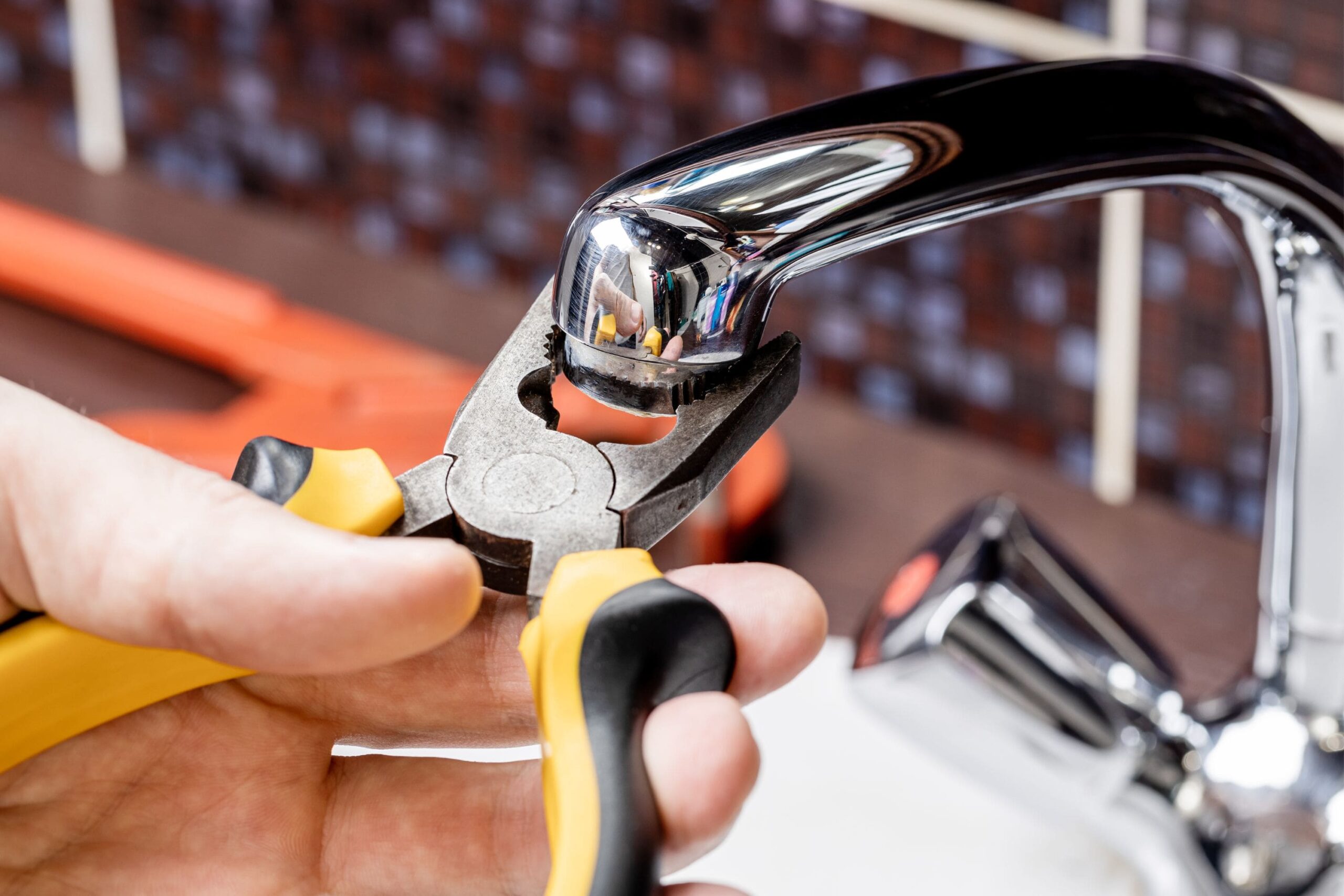
- Pliers
- Tape measure
- Bucket or container (to catch drips)
- Materials:
- Replacement washers or seals (typically rubber)
- Replacement O-rings (if applicable)
- Plumber’s grease
- Cleaning cloth
Estimated Costs: The cost for these materials ranges from N2,000 to N5,000. You can purchase these items locally at stores like Jumia, Konga, or nearby hardware shops.
Step-by-Step Guide
Now that you have all your materials ready, let’s dive into the detailed steps for fixing a leaking tap:
Step 1: Identify the Type of Tap
Before doing any work, it’s crucial to identify what kind of tap you’re dealing with. Common types in Nigeria include:
- Compression Taps – use rubber washers to seal the water flow.
- Ball Taps – have a rotating ball mechanism.
- Cartridge Taps – rely on a cartridge to regulate flow.
- Disk Taps – use a ceramic disc mechanism to control water flow.
Tip: Knowing your tap type will help in purchasing the right replacement parts.
Step 2: Turn Off the Water Supply
Locate the water supply valve under the sink and turn it clockwise to stop the flow of water. If your sink doesn’t have a shut-off valve, you’ll have to turn off the main water supply for the household.
Timeframe: This takes less than 2 minutes.
Step 3: Drain the Tap
Open the tap to let any remaining water out. This step is essential to avoid a mess once you begin to disassemble the tap.
Timeframe: About 2-3 minutes.
Step 4: Disassemble the Tap
Using a screwdriver, remove the screws on the handles of the tap. For some taps, you must first remove decorative caps to access the screws. After removing the handles, use an adjustable wrench to loosen the packing nut or retaining nut and remove the cartridge or valve.
Common Mistake: Forgetting to turn off the water can lead to water flooding your working area.
Timeframe: Expect to spend around 10-15 minutes on this step.
Step 5: Inspect and Replace Washers/O-Rings
Once you have access to the washer or O-ring, check for wear and tear. Typically, these parts become brittle over time. Replace them with new ones of the same size. Ensure you lubricate the new washers with plumber’s grease to help ensure a tight seal.
Cost: Replacement washers generally cost between N500 and N1,000 for a pack.
Timeframe: This should take about 10 minutes.
Step 6: Reassemble the Tap
Once you have replaced the faulty parts, it is time to put everything back together. Follow the steps in reverse order, ensuring all parts are tightly secured, including the handles and screws.
Tip: Do not overtighten, as this may damage the thread.
Timeframe: Allow about 10 minutes for reassembly.
Step 7: Turn On the Water Supply
After reassembling the tap, turn the water supply back on. Open the faucet slowly and check for any water leaks. If there is still water dripping, it could mean improper assembly or that another part needs to be replaced.
Timeframe: This step can be done in roughly 5 minutes.
Costs and Fees
Here’s a detailed breakdown of all potential costs involved in fixing a leaking tap at home:
| Item | Estimated Cost (Naira) |
|---|---|
| Tools (if not owned) | N2,000 – N5,000 |
| Replacement Washers / O-rings | N500 – N1,000 |
| Plumber’s Grease | N500 |
| Professional Service (if needed) | N5,000 – N10,000 |
Total Estimated Cost: You can expect to invest between N3,000 and N16,500 depending on whether you opt for professional service or do it yourself.
Comparison
| Type of Tap | Common Issues | Repair Difficulty | Average Repair Costs (Naira) |
|---|---|---|---|
| Compression | Worn Washers | Easy | N2,500 |
| Ball | Loose Components | Medium | N4,000 |
| Cartridge | Faulty Cartridge | Medium | N3,500 |
| Disk | Corroded Discs | Hard | N5,000 |
Common Mistakes to Avoid
While fixing a leaking tap at home can seem straightforward, there are commonly made mistakes to be aware of:
- Ignoring Water Source: Always ensure that you switch off the water main or the local shut-off valve before starting work.
- Not Taking Parts to the Store: When buying replacement parts, forgetting to take the old ones for size reference can lead to purchasing the wrong items.
- Over-tightening Parts: Overtightening valves or nuts can lead to breakage. Always hand-tighten unless specified.
- Neglecting Cleanliness: Leaving debris or mineral buildup can lead to additional leaks. A clean working environment is essential.
Tips and Insider Knowledge
Here are some insider tips that can make your repair process smoother:
- Use Local Hardware Stores: While online shopping may offer lower prices, visiting local stores like Havensoft or Winners Hardware will give you the benefit of expert advice and support.
- Check for Other Leaks: While you’re at it, inspect nearby pipes and faucets for any other signs of leaks to prevent future issues.
- Schedule Regular Maintenance: Every few months, check around your home for drips or leaks, which can save you money in long-term repairs.
- Invest in Quality Tools: Spending a bit more on quality tools can pay off in terms of durability and efficiency.
Frequently Asked Questions
Q1: How do I know if my tap is leaking?
A: Signs of a leaking tap include constant dripping sounds, water pooling under the tap, or an increase in your water bill without a clear reason.
Q2: Can I fix a leaking tap myself?
A: Yes, most leaking taps can be repaired by following the steps outlined in this guide. However, if you feel uncertain, it’s best to hire a professional.
Q3: How long should the repair take?
A: A DIY tap repair can take anywhere from 30 minutes to an hour, depending on your experience level and type of tap.
Q4: What should I do if the leak persists after repairs?
A: If the leak continues, it may indicate a more significant issue within the plumbing system. Consult a professional plumber for advice.
Q5: Are there any chemicals I should avoid while cleaning?
A: Yes, avoid using harsh chemical cleaners as they can deteriorate the quality of rubber seals and washers over time.
Conclusion
Fixing a leaking tap at home in Nigeria is a manageable DIY project that can save you money and conserve water. By following the detailed steps provided, you can tackle this task without needing a plumber. Remember to gather all necessary materials, pay attention to the assembly, and apply some basic tips to make the process smoother. A little attention to your plumbing can go a long way in saving both resources and costs!
