
Introduction
Leaking taps may seem like a minor inconvenience but can lead to significant water wastage and increased bills over time. For many Nigerians, the struggle of a dripping tap is a familiar experience, often stemming from poor initial installation or wear and tear over time. Addressing a leaking tap not only preserves water but also saves you money. In this guide, we will explore the simple yet effective methods to fix a leaking tap at home in Nigeria. You will learn about the tools you need, step-by-step instructions for various types of taps, and how to avoid common pitfalls. Whether you are a DIY beginner or looking to build on your skills, this guide will provide you with all the essential information.
By the end of this post, you’ll be equipped with the knowledge to tackle tap leaks confidently, saving yourself time, money, and frustration. We’ll cover everything from identifying the problem, gathering materials, executing the repair, and understanding the costs involved. Moreover, we’ll share insights that only seasoned Nigerians familiar with plumbing know, along with answers to frequently asked questions on this subject.
What You Need
Before embarking on your journey to fix a leaking tap, it’s crucial to gather all the necessary materials and tools. Being prepared will make your DIY experience smoother and more efficient. Below is a comprehensive list of what you’ll need:
- Tools:
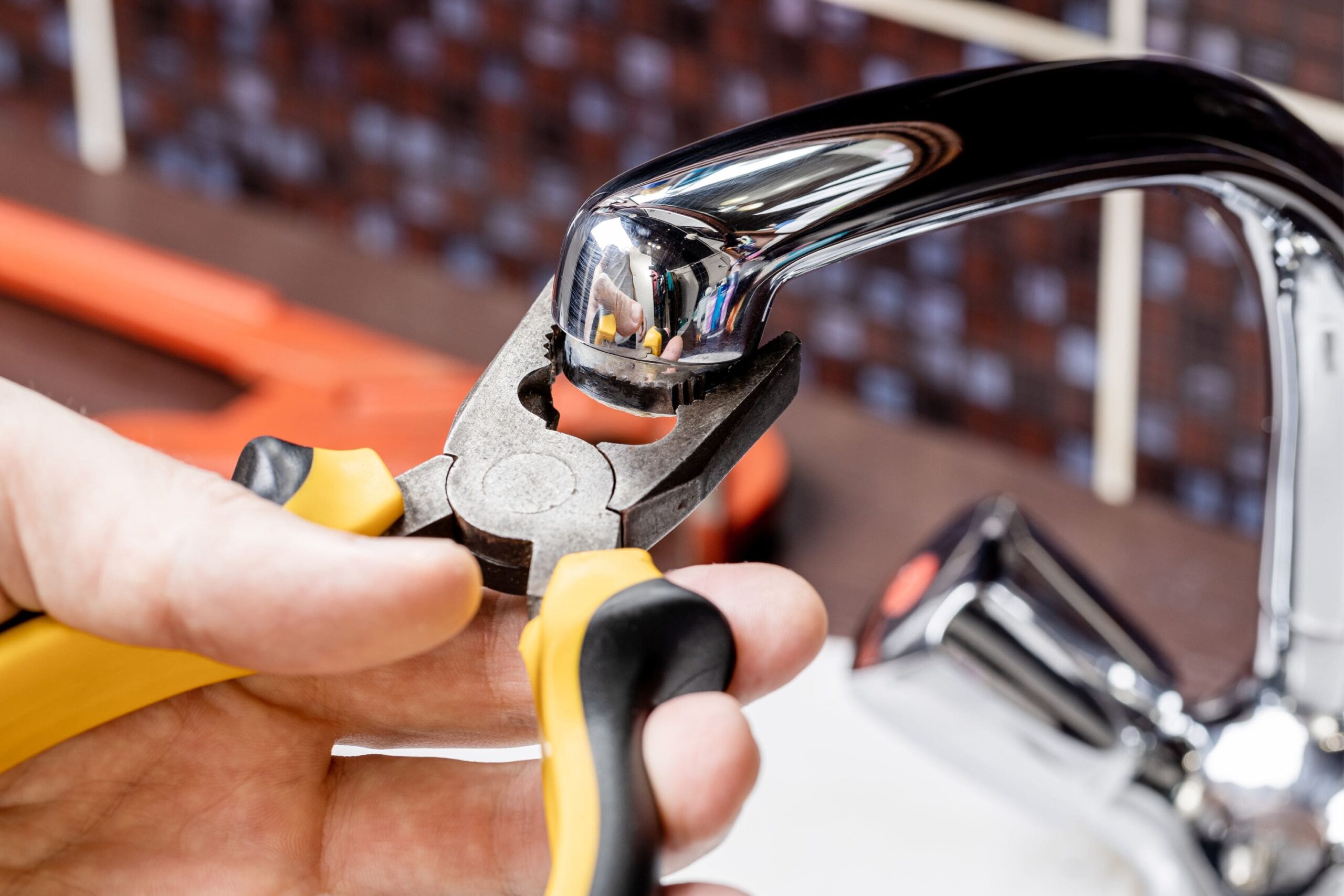
- A wrench or pliers (N1,500 – N4,000 depending on quality and brand)
- Screwdriver (flat-head and Phillips) (N800 – N2,500)
- Utility knife (N1,000 – N2,500)
- Tape measure (N1,000 – N2,000)
- Materials:
- Replacement washers (N300 – N1,200 for a pack)
- O-rings (N200 – N1,000, as required)
- Pipe thread sealant/teflon tape (N250 – N800)
- New faucet parts may be needed depending on the type of tap (cost varies widely, approximately N1,500 – N15,000)
- Documents: None required for DIY repairs.
Tip: Always take the faulty parts to the nearest hardware store to ensure that you purchase the correct replacements. Many local markets also have a variety of options where you can obtain quality materials.
Step-by-Step Guide
Let’s delve into the step-by-step process of fixing a leaking tap. This guide outlines 7 detailed steps you must follow for a successful repair.
Step 1: Identify the Type of Tap
Understanding the type of tap you are dealing with is fundamental. Common tap types in Nigerian homes include:
- Compression Tap
- Ball Faucet
- Cartridge Tap
- Disc Faucet
Each type has a different mechanism and method of repair. Inspect your faucet to determine which type it is.
Step 2: Turn Off the Water Supply
Before you start working, ensure that you turn off the water supply to prevent flooding. This can usually be done at the shut-off valve beneath the sink. In the absence of a valve, you can turn off the main water supply to your house.
Tip: Turn on the tap after shutting off the supply to let out any remaining water in the pipes. This will reduce spills during your repair.
Step 3: Remove the Faucet Handles
Using the appropriate screwdriver, unscrew the faucet handles. Be sure to check for hidden screws, usually found under decorative caps. Gently pull off the handles to avoid damage.
Step 4: Inspect for Wear and Tear
After removing the handles, you can now see the underlying components. Inspect the washer, O-rings, and seals for damage. If they are frayed or worn out, they will need to be replaced.
Important: Keep a record of how parts were assembled, so it’s easier to put them back together later.
Step 5: Replace the Washer or O-Ring
Once you’ve determined what needs to be replaced, take out the old washer or O-ring. Use your utility knife if it’s stuck. Install the new washer or O-ring carefully, ensuring a snug fit.
Step 6: Reassemble the Tap
Once the repairs are done, begin reassembling the tap in reverse order of disassembly. Securely reinstate the faucet handles and ensure all screws are tight to prevent future leaks.
Tip: Apply pipe thread sealant when needed to enhance the sealing of threads.
Step 7: Turn On the Water Supply and Test
With everything back in place, turn on the water supply slowly. Check for leaks as you do this. If you notice any leaks, you may need to tighten screws or check your previous steps. This final test will ensure your repair was successful.
Costs and Fees
Here’s an extensive breakdown of costs you may incur while fixing a leaking tap:
| Item | Estimated Cost (Naira) |
|---|---|
| Wrench or pliers | 1,500 – 4,000 |
| Screwdriver Set | 800 – 2,500 |
| Utility Knife | 1,000 – 2,500 |
| Replacement Washers | 300 – 1,200 |
| Pipe Thread Sealant | 250 – 800 |
| New Faucet Parts (if needed) | 1,500 – 15,000 |
Total Estimated Costs: Ranges from approximately N5,800 – N26,000, depending on the extent of repairs needed and materials purchased.
Comparison
Below is a comparison of commonly used tap types in terms of maintenance and repair costs:
| Type of Tap | Common Issues | Repair Difficulty | Estimated Repair Cost |
|---|---|---|---|
| Compression Tap | Worn washers | Medium | N3,000 – N5,000 |
| Ball Faucet | Loose ball assembly | High | N5,000 – N15,000 |
| Cartridge Tap | Worn cartridge | Medium | N3,000 – N7,500 |
| Disc Faucet | Worn seals | High | N5,000 – N10,000 |
Common Mistakes to Avoid
While fixing a leaking tap can be straightforward, there are several common mistakes to avoid:
- Not turning off the water supply: This can lead to water flooding the area, creating a bigger mess.
- Ignoring the type of tap: Different types require different approaches. Failure to recognize this can result in ineffective repairs.
- Using the wrong tools: Using inappropriate tools can damage the faucet further. Always choose tools that fit correctly.
- Not checking all parts: Sometimes the leak may not just be from the washer but from other areas as well; ignoring these can lead to recurring issues.
- Over-tightening screws: This can strip threads and cause leaks. Ensure screws are tight but not excessively tight.
Tips and Insider Knowledge
Here are some insider tips to help you navigate the repair process more smoothly:
- Source Quality Parts: Always use quality parts for replacements; visiting local hardware stores like Jumia or Konga may yield various options.
- Regular Maintenance: Schedule regular check-ups for your plumbing to prevent issues before they become serious.
- Ask for Help: Don’t hesitate to ask someone with prior plumbing experience for help or a second opinion on the repair.
- Learn from Videos: Platforms like TikTok and YouTube have excellent DIY videos that can provide visual guidance.
- Understand Where Parts Go: Take a picture of the assembly process before you disassemble; this can serve as a reference for reassembly.
Frequently Asked Questions
Here are some of the most searched questions regarding leaking taps, along with their answers:
1. How can I tell if my tap is leaking?
You can identify a leaking tap by noticing constant dripping of water, puddles around the base of the tap or water stains on surfaces below the faucet. Additionally, if your water bill has increased without any significant change in usage, this could indicate leaks.
2. What causes a tap to leak?
Common causes of tap leaks include worn washers, damaged seals or O-rings, loose fittings, or faulty faucet parts. Over time, regular usage can wear out these components, causing leaks.
3. Is it necessary to hire a plumber for a leaking tap?
Not necessarily. With basic tools and the guidance provided in this guide, many homeowners can fix a leaking tap without professional assistance. However, if the leak persists despite repairs, hiring a plumber might be necessary.
4. What are the benefits of fixing a leaking tap?
Fixing a leaking tap conserves water, reduces your water bill, prevents damage to surfaces below the tap, and can improve overall plumbing efficiency in your home.
5. How often should I check my taps for leaks?
A general recommendation is to check your taps quarterly. However, if you notice any signs of leaks, it is best to address them immediately.
Conclusion
Fixing a leaking tap doesn’t have to be a daunting task. Armed with the right tools, materials, and knowledge, you can take control of your plumbing issues at home in Nigeria. By following the steps detailed in this guide and employing the tips and insights shared, you’ll be well on your way to keeping your taps in top shape, ensuring your home remains leak-free.
