
Introduction
In Nigeria, household plumbing issues are common and often lead to significant water wastage, high water bills, and overall inconvenience. One of the most frequent problems faced by many is a leaking tap. This issue not only increases water consumption but can also lead to mold and water damage if left unchecked. Learning how to fix a leaking tap at home in Nigeria is not just an essential skill; it also empowers you to take control of your home maintenance, ultimately saving you money and ensuring you have a functional living environment.
In this comprehensive guide, you will discover everything you need to know about fixing a leaking tap at home in Nigeria. From the tools required, the step-by-step process to follow, to common mistakes to avoid and insider tips that will facilitate the process, we will leave no stone unturned. By the end, you’ll be equipped with the knowledge you need to handle this DIY task confidently, allowing you to save on plumbing services and ensure your home runs smoothly.
Understanding the cost implications of repairs, as well as preventative measures, can further enhance your ability to maintain your home effectively. Statistics show that, according to the Water Resources Institute, Nigerian households waste an estimated 30% of their installed water supply due to leaks. This guide will not only teach you how to prevent such wastage but also arm you with practical knowledge needed to tackle other DIY home fixes effectively.
What You Need
Before you embark on the journey of fixing a leaking tap, it’s crucial to gather all the necessary tools and materials. Here’s what you will need:
- Tools:
- Adjustable wrench
- Screwdriver (flat-head and Phillips)
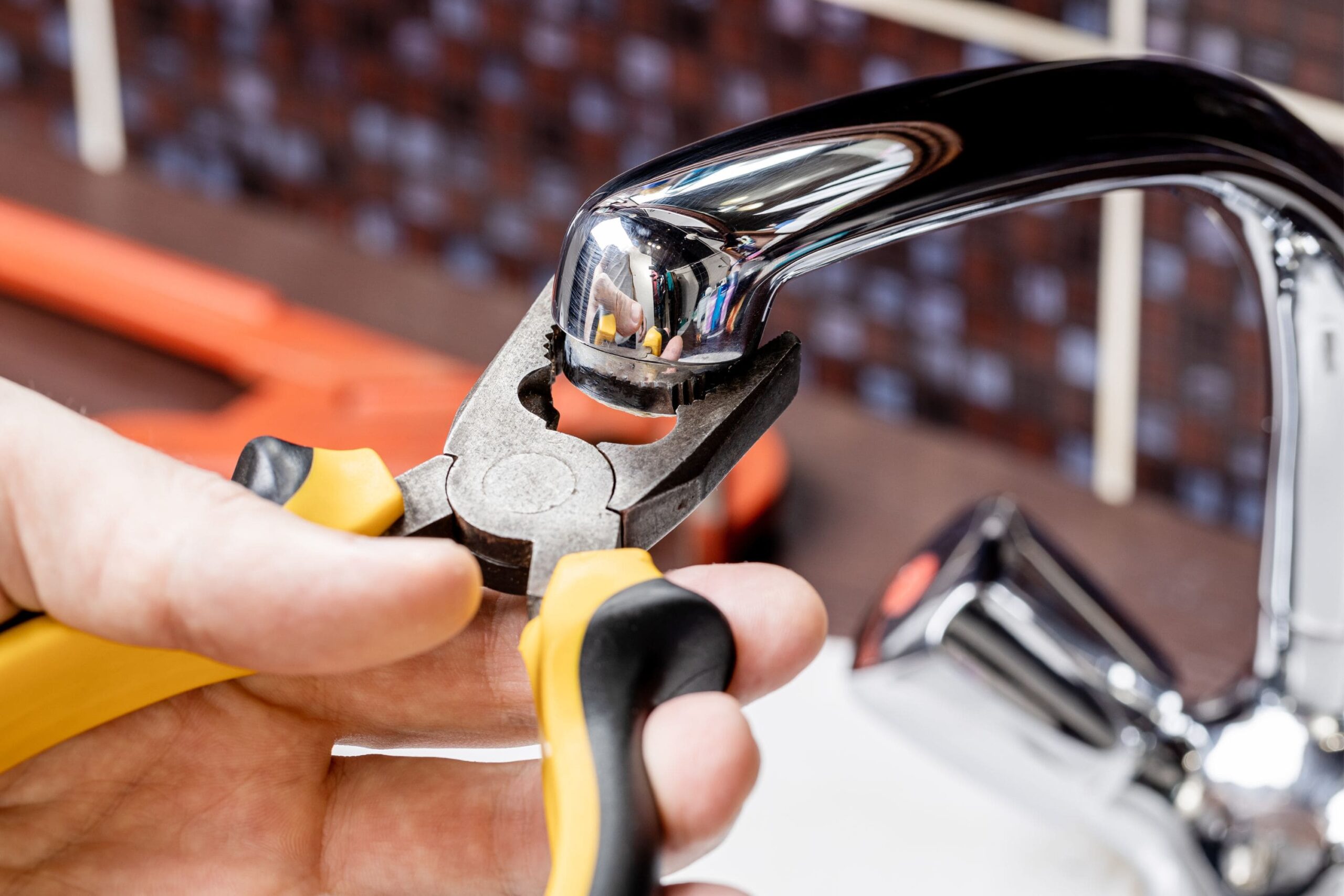
- Pliers
- Utility knife
- Tape measure
- Materials:
- Replacement washers (make sure to get the right size)
- O-rings
- Pipes thread seal tape
- Lubricant (like plumbing grease)
- Documents: While not directly related to the repair, having your local plumber’s contact might save you if things go south. Keep their number handy!
Cost Involved: In Nigeria, the cost for these tools and materials ranges widely. You might be looking at:
– Tools: N2,000 to N7,000
– Washers and materials: N300 to N2,500
In total, you could complete a DIY tap repair for about N2,300 to N9,500 depending on what you already own.
Step-by-Step Guide
Now that you have your tools and materials ready, let’s move on to the step-by-step procedure to fix a leaking tap at home.
Step 1: Identify the Type of Tap
Before proceeding, determine whether you have a compression, cartridge, ball, or faucet tap. This will guide you in the repair process. Compression taps often have separate hot and cold handles, while cartridge taps have a single handle.
Step 2: Turn Off the Water Supply
Before you start any repair, safety first! Turning off the water supply is crucial to prevent flooding. Most taps have local shut-offs under the sink, but if yours doesn’t, turn off the main water valve. The valve is generally located near the water meter.
Step 3: Drain the Tap and Collect the Necessary Tools
Once the water supply is off, open the tap to drain any remaining water in the pipes. This will make your repair work easier. Place a bowl or bucket under the tap to catch any spills, and have your tools ready.
Step 4: Disassemble the Tap
Depending on the tap type, remove the decorative caps (if present) to access the screws. Using a screwdriver, unscrew the handle and other parts until you reach the washer and O-rings. This may require a situational approach based on the tap’s design.
Step 5: Check and Replace Washers/O-Rings
Inspect the washer and O-rings for damage or wear. If you notice any cracks, they will need to be replaced. Make sure to take the old pieces to the hardware store to find an exact match. Install new washers or O-rings appropriately.
Step 6: Reassemble the Tap
Once you have replaced the washers and O-rings, it’s time to put everything back together. Reverse the disassembly process. Ensure everything is tightened but be careful not to over-tighten, as this could cause additional leaks.
Step 7: Turn the Water Supply Back On
After reassembly, slowly turn the water supply back on. Check for leaks by running the tap. If all goes well and there are no leaks, congratulations—you’ve successfully fixed your tap!
Costs and Fees
Below is a comprehensive breakdown of the costs involved in fixing a leaking tap in Nigeria, considering 2026 inflation rates and general prices in local markets.
| Item | Estimated Cost (Naira) |
|---|---|
| Basic Tools (Wrench, Screwdriver, etc.) | 2,000 – 7,000 |
| Replacement Washers | 300 – 2,500 |
| O-rings | 500 – 1,500 |
| Pipes Thread Seal Tape | 150 – 500 |
| Plumbing Grease | 300 – 1,000 |
| Total Estimated Cost | 2,300 – 9,500 |
Comparison
If you are weighing your options between hiring a plumber or performing a DIY fix, here’s a comparison of both methods.
| Method | Advantages | Disadvantages | Estimated Cost |
|---|---|---|---|
| DIY Fix |
|
|
N2,300 – N9,500 |
| Hiring a Plumber |
|
|
N5,000 – N15,000 (depending on the plumber) |
Common Mistakes to Avoid
While attempting to fix a leaking tap, there are several common mistakes that Nigerians often make. Here are a few to steer clear of:
- Not Shutting Off the Water: Failing to shut off the water supply can lead to flooding and messy situations. Always remember this crucial step.
- Using Incorrect Parts: Replacing washers with incorrect sizes or types is a common pitfall. Ensure you take the old washers to the store for comparison.
- Over-tightening Fixtures: Many people over-tighten screws and bolts, which can lead to further leaks and damage. Tighten moderately.
- Ignoring Other Potential Issues: Just because you fixed one leak doesn’t mean there aren’t others. Inspecting the entire tap system is essential.
- Procrastinating Repairs: Delaying repairs often leads to more significant issues down the line. Address leaks promptly to avoid further complications.
Tips and Insider Knowledge
To successfully fix a leaking tap, consider the following insider tips that many Nigerians may overlook:
- Keep a Plumbing Kit: Having a dedicated plumbing kit can save you time and money. Fill it with essential tools and materials.
- Visit Local Hardware Stores: Local craftsmen often offer insights and tips that can be invaluable. Engage them with questions about your specific situation.
- Utilize Community Forums: Join local online forums like Nairaland or Facebook groups focused on DIY repairs for support and tips from fellow enthusiasts.
- Invest in Quality Tools: Buying quality tools may seem expensive initially but paying a little more can save you from future repairs and hassle.
- Document Your Repairs: Keep records of all repairs, including receipts for parts and descriptions of fixes done. This can help in future repairs.
Frequently Asked Questions
1. How long does it take to fix a leaking tap?
The time varies based on your skills and the type of tap. On average, it can take approximately 30 minutes to 2 hours. Beginners might take longer, but patience is key.
2. Can I use any type of washer for my tap?
No. It’s crucial to use the correct type and size of washer. Always take the old one with you to ensure a match.
3. What are the signs of a faulty tap besides leakage?
Signs include reduced water pressure, unusual noises from the tap, or water pooling around the base. These can indicate underlying issues.
4. Should I call a plumber if I can’t fix it myself?
If you’re unable to resolve the leaking issue after 1-2 attempts or feel overwhelmed, it’s best to call a professional to avoid further damage.
5. How can I prevent leaks in the future?
Regularly inspect your taps, ensure proper installation, and replace washers and O-rings as soon as they show signs of wear.
Conclusion
Fixing a leaking tap at home in Nigeria is a manageable task that can lead to significant savings and improved home comfort. By following the steps outlined in this guide, gathering the necessary tools, and avoiding common mistakes, you can become adept at managing minor plumbing issues. Whether you choose to DIY or call in professionals, being informed will undoubtedly empower you in your home maintenance journey. Embrace these skills and enjoy a well-maintained home!
