
Introduction
Have you ever had that nagging issue of a leaking tap at home? It’s a common but often overlooked problem that many Nigerians face daily. Not only does a leaky tap waste water—an increasingly precious resource in Nigeria—but it can also lead to more significant plumbing problems and spike your water bills if not fixed promptly. Fortunately, fixing a leaking tap is a manageable task for most DIY enthusiasts. In this comprehensive guide, we will walk you through the steps on how to fix a leaking tap at home in Nigeria, providing you with all the information you need to tackle this issue with confidence.
By the end of this guide, you will understand not just how to repair a leaky tap, but also the necessary tools, costs, and common pitfalls to avoid. Whether you have a simple faucet leak or a more complex issue, this article will equip you with the skills to handle it effectively.
In a nation where water conservation is essential and DIY skills are becoming increasingly valuable, knowing how to fix a leaking tap is a practical skill that everyone should possess. So, let’s get started!
What You Need
Before you begin the process of fixing your tap, it’s crucial to gather all the necessary tools and materials. Having everything on hand will streamline the repair process and help you avoid delays.
- Tools:
- Adjustable wrench
- Screwdriver (flathead and Phillips)
- Pliers
- Tape measure
- Bucket
- Flashlight (optional, for better visibility)
- Materials:
- Replacement washers (rubber or silicone, depending on faucet type)
- O-rings (optional, for cartridge faucets)
- Plumber’s grease
- Teflon tape (optional for threaded connections)
- Documents:
- If necessary, warranty information for your tap (for newer models)
- Fees:
- Replacement washers typically cost between N200 and N500 each, depending on quality and brand.
- Pipes and additional fittings might add costs between N1,000 and N3,000.
Step-by-Step Guide
Now that you have gathered all the necessary tools and materials, let’s dive into the step-by-step guide on how to fix a leaking tap at home in Nigeria.
1. Turn Off the Water Supply
Your first step in fixing a leaking tap is to turn off the water supply to avoid a messy situation while you work. Follow these steps:
- Locate the shut-off valves under your sink and turn them clockwise to close. If you do not have shut-off valves, turn off the main water supply to your home.
- Open the tap to relieve any remaining pressure in the lines. This ensures that no water will drip or spray when you start working.
2. Remove the Tap Handle
Next, you’ll need to access the internal components of the tap by removing the handle:
- Look for screws on the handle (usually hidden under decorative caps). Use a flathead screwdriver to pry off these caps.
- Once you locate the screws, use the appropriate screwdriver to remove them and lift off the handle.
3. Take Out the Packing Nut
With the handle removed, the next step is to access the packing nut:
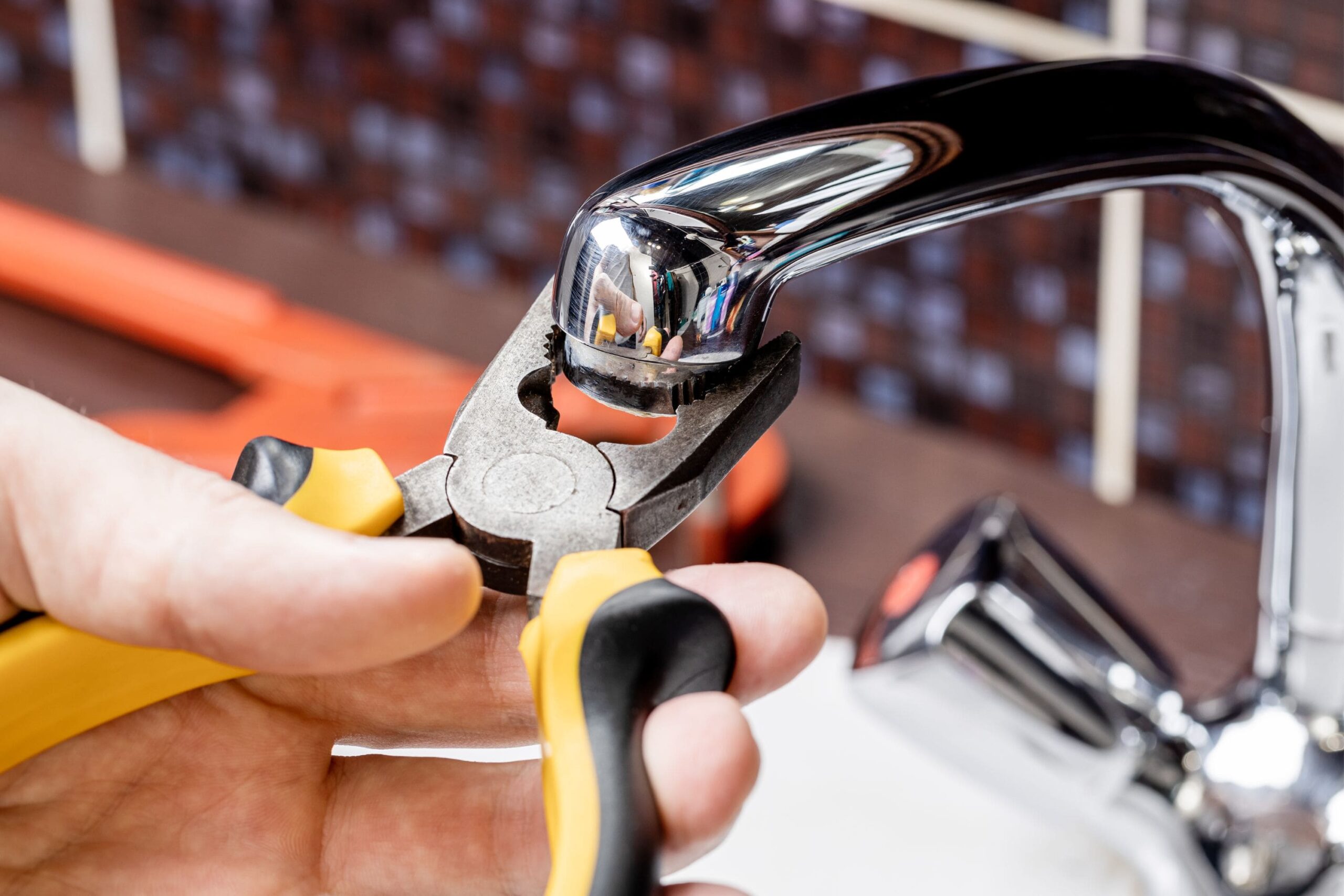
- Use an adjustable wrench to loosen the packing nut. Be cautious not to apply too much force to avoid damaging the components.
- Carefully remove the packing nut and set it aside.
4. Inspect and Replace the Washer
Now it’s time to inspect the washer, which is often the culprit of leaks:
- Remove the washer located at the base of the tap with your fingers or a screwdriver.
- Inspect the washer for wear and tear. If it’s damaged, replace it with a new washer of the same size.
- It’s advisable to take the old washer to the local hardware store to ensure you purchase a perfect match.
5. Reassemble the Tap
After replacing the washer, it’s time to put everything back together:
- Apply some plumber’s grease to the new washer and reinsert it into the tap.
- Reattach the packing nut and tighten it gently without over-tightening.
- Replace the handle and secure it with the original screws.
6. Turn the Water Supply Back On
With everything reassembled, it’s time to restore the water supply:
- Slowly turn the shut-off valves counterclockwise (or the main supply) to turn the water back on.
- Open the tap gently to check for leaks. Ideally, there should be no dripping or water escaping.
7. Final Checks and Cleanup
After your tap is functioning correctly, perform some final checks:
- Check the area around the tap for any signs of leaks, tightening any loose fittings if necessary.
- Make sure to tidy up the workspace and dispose of any old washers or components responsibly.
Costs and Fees
It’s essential to have a clear overview of the potential costs involved in fixing a leaking tap. Here’s a breakdown of the fees you might incur:
| Item | Approximate Cost (Naira) |
|---|---|
| Replacement washer (per item) | N200 – N500 |
| Plumber’s grease | N500 – N1,000 |
| Miscellaneous fittings (if required) | N1,000 – N3,000 |
| Professional plumbing service (optional) | N5,000 – N15,000 |
Comparison
Though doing it yourself can save you costs, sometimes hiring professionals may be necessary. Here’s a quick comparison:
| Method | Cost | Time | Difficulty Level |
|---|---|---|---|
| DIY Repair | N500 – N5,000 | 1 – 2 hours | Easy |
| Professional Repair | N5,000 – N15,000 | 30 – 60 minutes | None |
Common Mistakes to Avoid
Nigerians often fall into several traps when attempting to fix leaking taps. Here are some common mistakes to avoid:
- Not turning off the water supply: This can lead to a slippery mess and unnecessary water wastage.
- Using the wrong size washer: Always compare with the old washer to avoid leaks.
- Over-tightening the fittings: This can damage fixtures and cause more leaks.
- Ignoring visible wear: If other components look worn, it’s better to replace them while you have the tap dismantled.
Tips and Insider Knowledge
Here are a few insider tips that can make your tap repair process smoother:
- Keep a bucket under the sink to catch any water that may still be in the lines while you work.
- If you’re uncertain about the type of tap you have, a simple internet search or a quick visit to a local hardware store for clarification can save you time.
- Wear rubber gloves to avoid slipping while handling wet components.
- Consider using a permanent marker to label screws and parts to make reassembly easier.
Frequently Asked Questions
1. How long does it take to fix a leaking tap?
Depending on your experience, fixing a leaking tap can take anywhere from 30 minutes to 2 hours, including gathering tools and materials.
2. Can I use any type of washer for my tap?
No, it’s essential to use the correct size and type of washer, as using the wrong one can continue the leak or damage the faucet.
3. Is it cheaper to fix the tap myself or hire a plumber?
Generally, fixing the tap yourself is more economical if you have the right tools and a little time. Hiring a plumber can be more expensive, especially for minor issues.
4. What if the leak doesn’t stop after replacing the washer?
If the leak persists, it may be due to a faulty valve seat or cartridge. In this case, you may need to seek professional help.
5. Where can I buy replacement parts for my tap?
Replacement parts can be found at local hardware stores, plumbing supply shops, or even larger markets like Alaba International Market in Lagos. Online platforms may also offer good deals.
Conclusion
Fixing a leaking tap at home in Nigeria can be a straightforward DIY task that saves you time and money. With the right tools, materials, and knowledge, you can handle this common household problem effectively, conserve water, and reduce your utility bills. Remember to exercise caution, avoid common mistakes, and every step you take enhances your DIY skills, making you more self-sufficient in dealing with home repairs.
