
Introduction
A leaking tap at home can be more than just an irritating sound; it can lead to unnecessary water wastage and increased utility bills, especially in Nigeria, where water supply often comes with a cost. The sound of dripping water is not just a nuisance; it signifies a problem that could escalate if not addressed promptly. In Nigeria, the scarcity of water resources makes every drop count. According to the Nigerian Bureau of Statistics, households spend an average of ₦5,000 monthly on water. Thus, fixing a leaking tap can save you money and contribute to conserving precious water resources.
In this guide, you will learn how to diagnose the various causes of a leaking tap and discover a step-by-step approach to fixing the problem yourself. This practical knowledge will empower you to tackle one of the most common household issues in Nigeria, saving you both time and money on professional plumbing services. Be prepared with the right tools, information, and techniques to restore your tap to its full functional glory.
This guide not only addresses the technical skills needed to fix a leaking tap but also considers the challenges specific to Nigeria, including sourcing parts and understanding costs—allowing you to efficiently manage your repairs without unnecessary hassle.
What You Need
Before diving into the process of fixing your leaking tap, it’s crucial to gather all necessary materials and tools. Here’s a comprehensive list of what you will need:
Tools:
- Adjustable wrench or spanner
- Screwdriver (flat-head and Philips)
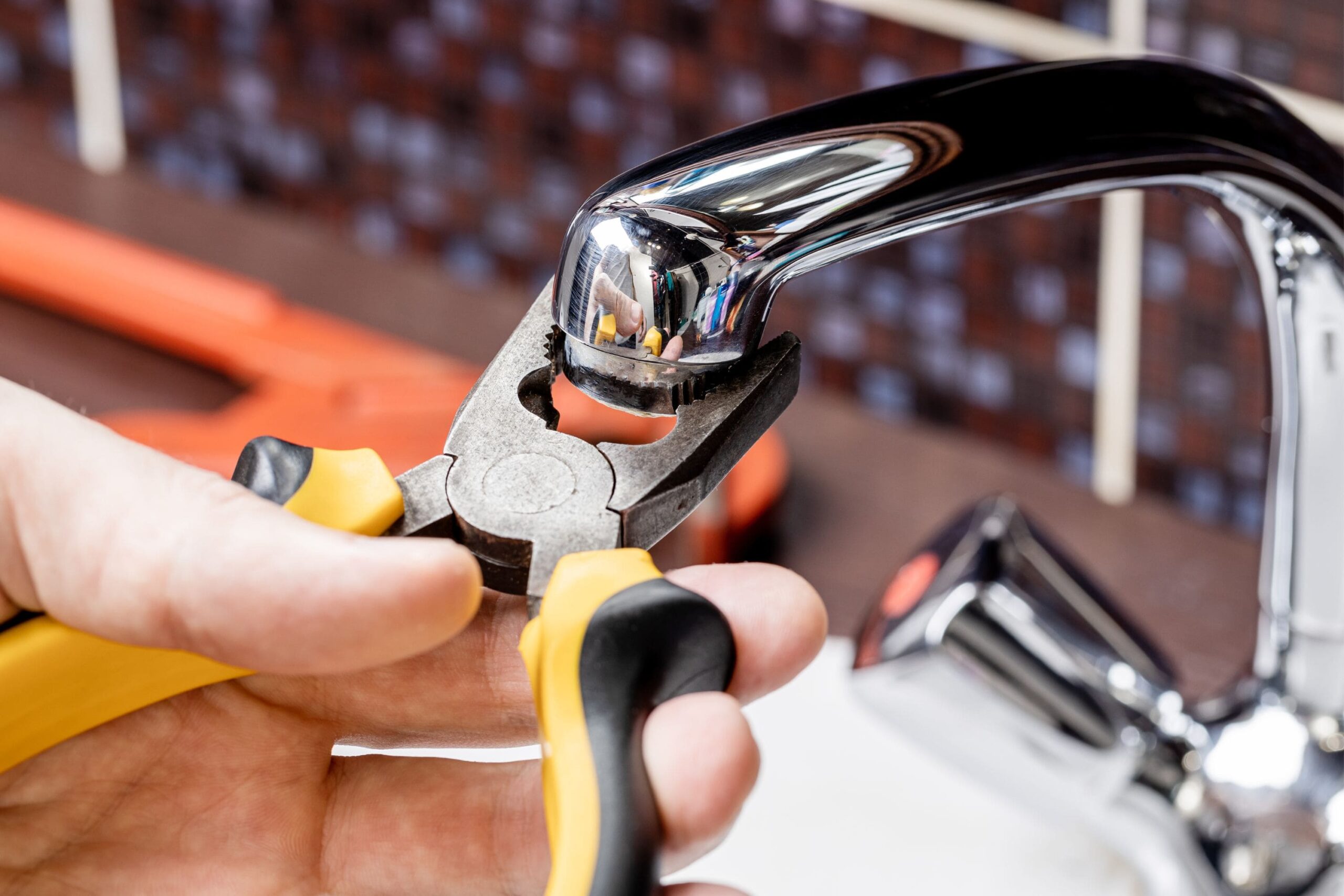
- Pliers
- Bucket or bowl (to catch excess water)
- Putty knife (if applicable)
- Tape measure
Materials:
- Replacement washers (rubber or silicone types)
- New faucet cartridge (if fixing a cartridge tap)
- Plumber’s grease (for sealing)
- PTFE tape (also known as Teflon tape for sealing threads)
Documents:
- Instructions or manual for your specific tap model (if available)
Costs:
- Washer costs between ₦50 and ₦200, depending on the type
- A faucet cartridge can range from ₦1,000 to ₦3,500
- Plumber’s grease costs around ₦500 to ₦1,000
- PTFE tape costs about ₦300
Prerequisites:
Ensure that you have turned off the water supply at the valves under the sink to prevent flooding during the repair. It’s also advisable to have a clean and dry workspace to avoid losing small parts or tools.
Step-by-Step Guide
Fixing a leaking tap involves a number of straightforward steps. Below is a detailed guide to help you through the process.
Step 1: Identify the Type of Tap
Before you can address the leak, you need to determine the type of tap you are working with. Common types include:
- Compression taps
- Cartridge taps
- Ball taps
- Disc taps
This identification is vital as the repair method will vary based on the tap type.
Step 2: Gather and Organize Your Tools
Ensure you have all your tools and materials on hand. This includes your wrenches, screwdrivers, and replacement parts. Having everything organized will streamline your repair process and minimize disruptions.
Step 3: Turn Off the Water Supply
Locate the shut-off valves under your sink; turn them clockwise until they are fully closed. If your tap does not have individual shut-off valves, turn off the main water supply to your house.
Step 4: Drain the Tap
Open the tap to let any water in the pipes drain out, preventing mess. Use a bucket or bowl to catch any excess water at this stage.
Step 5: Disassemble the Tap
Use your screwdriver to remove the handle by undoing the screws. Depending on your tap type, you may need to remove additional components like the cap or decorative piece to access the inner workings. Keep track of each part as you disassemble the tap to simplify reassembly.
Step 6: Inspect and Replace Faulty Parts
Check the washer and O-rings for wear and tear. If they are damaged, replace them. For cartridge taps, you will need to replace the cartridge itself. When securing new washers or cartridges, apply plumber’s grease to ensure a tight seal. This helps prolong the life of your new parts.
Step 7: Reassemble the Tap
Carefully reassemble the tap in the reverse order you disassembled it. Ensure that all screws and nuts are tightened properly but do not overtighten, as this may strip the threads or damage the assembly.
Step 8: Turn the Water Supply Back On
Once everything is back in place, turn the water supply back on. Test the tap for leaks by turning it on and off. If it runs smoothly without leaks, you’ve successfully completed the repair!
Costs and Fees
Understanding the financial aspect of fixing a leaking tap can help you prepare for the DIY endeavor. Below is a breakdown of potential costs you may incur during the repair process:
| Item | Estimated Cost (₦) |
|---|---|
| Replacement Washers | 50 – 200 |
| Faucet Cartridge | 1,000 – 3,500 |
| Plumber’s Grease | 500 – 1,000 |
| PTFE Tape | 300 |
| Tools (if needed) | 1,500 – 5,000 |
| Total Estimated Cost | 2,350 – 10,000 |
Comparison
To make an informed decision, consider the following comparison of the time and costs associated with calling a professional plumber versus completing the task yourself.
| Option | Time Required (hrs) | Average Cost (₦) |
|---|---|---|
| DIY Fix | 1 – 2 | Average of 2,350 |
| Call a Professional | 1 – 3 | 5,000 – 15,000 |
Common Mistakes to Avoid
Even experienced DIYers can make errors that lead to additional problems. Here are some common mistakes Nigerians make, along with tips to avoid them:
- Not identifying the tap type: Always recognize the type of tap before starting the repair to know which parts to buy.
- Neglecting to turn off the water supply: Failing to do this can lead to messy flooding. Remember to double-check!
- Forgetting to replace washers: Old or damaged washers are the primary culprits of leaks. Make sure to inspect and change them if necessary.
- Over-tightening screws: This can damage the fittings. Tighten screws just enough to create a seal without excessive force.
- Ignoring signs of major plumbing issues: If the leak persists after repairs, consider consulting a professional, as it may indicate a more extensive plumbing issue.
Tips and Insider Knowledge
Here are some insider tips that most Nigerians may not know when dealing with plumbing repairs:
- Shop wisely: Popular hardware stores like Jumia or local markets often offer competitive prices on plumbing parts. Always compare prices before purchasing.
- Use local brands: Consider using local brands for washers and cartridges; they often offer good quality at a lower price.
- Try to get replacement parts early: If your tap is old, try to get replacement parts from local plumbers before starting repairs to avoid delays.
- Routine maintenance: Regularly inspect your taps for wear and tear, and replace washers and cartridges before they fail completely.
- Utilize USSD services for convenience: If you need to purchase parts from your bank, use quick USSD transactions like *737# for GTBank or *901# for Access Bank for seamless transactions.
Frequently Asked Questions
1. What are the common signs of a leaking tap?
Common signs include the sound of dripping water, water pooling around the base of the tap, and an increase in water bills.
2. Can I fix a leaking tap without any previous experience?
Yes! With patience and the right tools, many homeowners can successfully fix a leaking tap.
3. How much does it typically cost to repair a leaking tap in Nigeria?
DIY fixes can cost between ₦2,350 and ₦10,000, while hiring a professional may set you back ₦5,000 to ₦15,000 depending on the complexity of the leak.
4. How often should I replace the washers in my taps?
It’s advisable to check and potentially replace washers every 6 to 12 months as part of your household maintenance.
5. How do I prevent leaks from occurring in the future?
Regular maintenance and inspections, using quality parts, and ensuring your taps are not overly tightened can help prevent future leaks.
Conclusion
Fixing a leaking tap at home on your own can be a rewarding experience. By following this comprehensive guide tailored specifically for Nigerians, you can save money, conserve water, and gain valuable DIY skills. Whether you’re facing a minor drip or a more serious leak, the right knowledge and tools are all you need to tackle the issue with confidence.
