
Introduction
Have you ever stood by your kitchen or bathroom sink and heard the incessant dripping of a leaking tap? It may seem like a minor annoyance, but for many Nigerians, it’s an everyday problem that signals the need for immediate DIY remediation. In Nigeria, where water conservation is paramount due to erratic supply and the rising cost of utility bills, addressing a leaking tap promptly can save you money and mitigate environmental concerns.
This comprehensive guide will provide you with all the necessary tools and information on how to fix a leaking tap at home in Nigeria, including real-time costs, common mistakes to avoid, insider tips, and detailed step-by-step instructions. You will learn not only how to tackle the issue but also how to ensure it doesn’t arise again. With the right knowledge, you can turn this common household nuisance into a simple DIY project.
Furthermore, understanding how to fix a leaking tap will enhance your DIY skills, empowering you to take on other home repairs in the future. By the end of this article, you will possess the knowledge to confidently undertake this task with ease.
What You Need
Before diving into the actual repair process, let’s gather the essential tools and materials needed for fixing a leaking tap:
- Tools:
- Adjustable wrench
- Screwdriver (flathead and Phillips)
- Plumber’s tape
- Bucket or bowl (to catch water)
- Flashlight (optional, for visibility)
- Materials:
- Replacement washers or cartridge (depends on tap type)
- Silicone sealant (optional and if required)
- Documents:
- No specific documents are required for this DIY task, but receipts for materials may be helpful for future reference.
- Prerequisites:
- Basic understanding of plumbing basics is helpful but not mandatory.
- Familiarity with your specific tap model, if applicable.
Step-by-Step Guide
Now that we have all the necessary materials, let’s follow these detailed steps to fix your leaking tap at home:
Step 1: Identify the Type of Tap
Before proceeding, you must first identify whether your tap is a compression tap, cartridge tap, ball tap, or disc tap. This identification helps in choosing the right replacement parts and tools.
- Compression Tap: Typically has two handles for hot and cold water.
- Cartridge Tap: Uses a cartridge mechanism and usually has one or two handles.
- Ball Tap: Contains a ball bearing that controls the water flow, usually found in kitchen sinks.
- Disc Tap: Features a single handle and is typically more modern.
Step 2: Turn Off the Water Supply
To prevent a mess during your repair, turn off the water supply to the tap. Locate the shut-off valve under the sink and twist it clockwise. If there’s no valve, turn off the main water supply in your home.
Step 3: Plug the Drain
Prevent small parts from going down the drain by plugging it with a cloth or drain stopper.
Step 4: Remove the Tap Handle
Use a screwdriver to remove any decorative caps to access the screws. Once the screws are removed, pull off the tap handle gently. If it’s stuck, you can wiggle it slightly to loosen it.
Step 5: Take off the Packing Nut
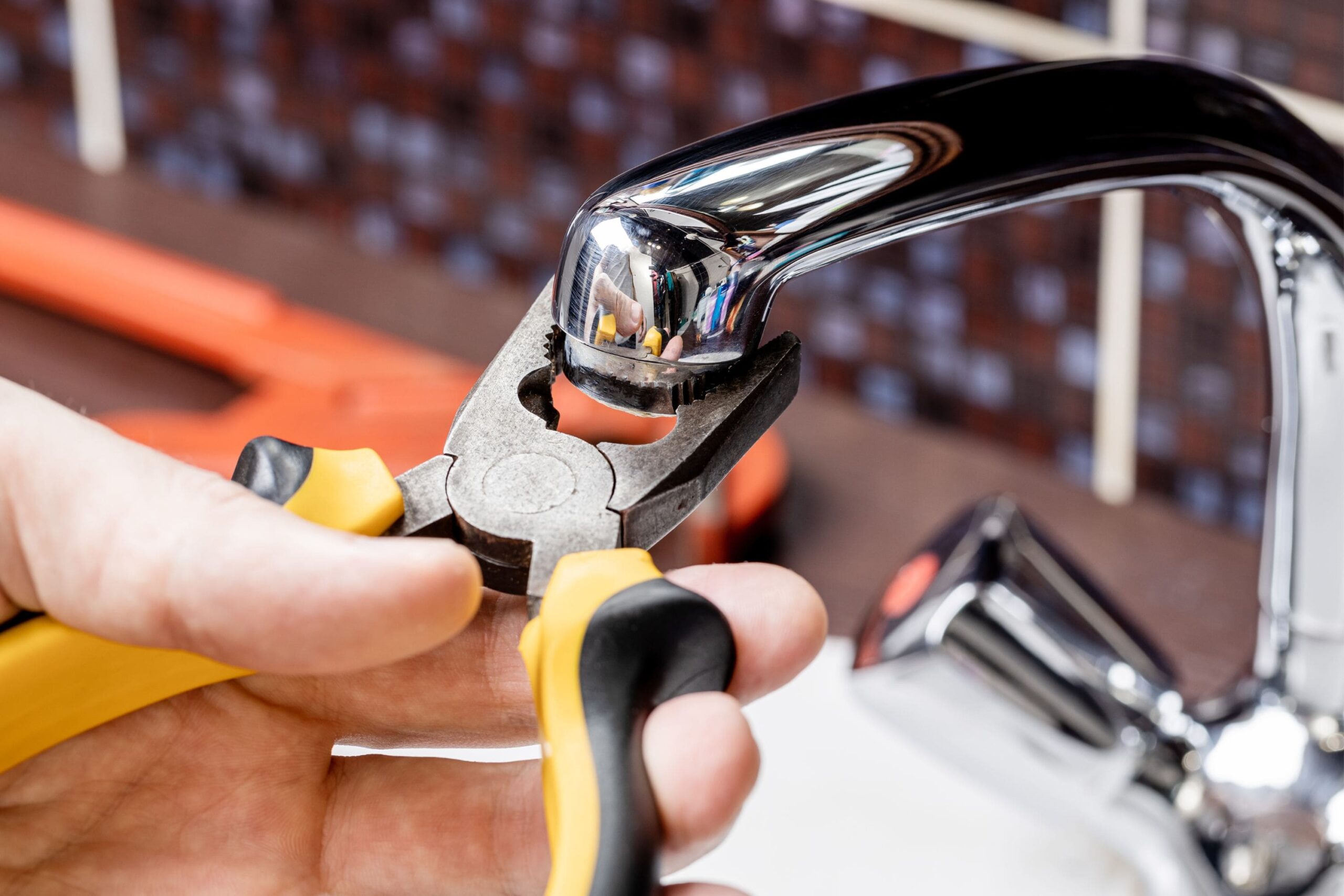
Using the adjustable wrench, carefully unscrew the packing nut. Be mindful not to apply too much pressure, as this can damage the surrounding plumbing. Once the nut is removed, you should access the washer or cartridge inside.
Step 6: Replace the Washer or Cartridge
If you’ve identified a faulty washer (common in compression taps) or a damaged cartridge (for cartridge taps), replace it with a new one. Ensure you have the correct measurements to avoid purchasing the wrong size.
- Average costs for washers: between N1,000 and N3,000.
- Cost for cartridges: typically range from N3,000 to N10,000 depending on the brand.
Step 7: Reassemble the Tap
Reassemble the tap by following the steps in reverse order. Make sure to securely fit all pieces back together, ensuring there are no loose fittings. Once everything is back in place, turn the water supply back on.
Costs and Fees
Here’s a detailed breakdown of the costs associated with fixing a leaking tap in Nigeria:
| Item | Estimated Cost (Naira) |
|---|---|
| Replacement washer (depending on quality) | N1,000 – N3,000 |
| Replacement cartridge | N3,000 – N10,000 |
| Plumber’s tape | N500 – N1,500 |
| Screwdrivers / Wrench (if purchase required) | N2,000 – N5,000 |
| Optional: Silicone sealant | N1,000 – N2,000 |
| Total Estimated Costs | N7,500 – N22,500 |
Comparison
Here is a comparison of different tap types and their common issues:
| Tap Type | Common Issue | Ease of Fix | Cost to Repair |
|---|---|---|---|
| Compression Tap | Worn washers | Easy | N1,000 – N3,000 |
| Cartridge Tap | Faulty cartridge | Moderate | N3,000 – N10,000 |
| Ball Tap | Worn seals | Moderate | N3,000 – N8,000 |
| Disc Tap | Faulty discs | Challenging | N5,000 – N15,000 |
Common Mistakes to Avoid
While fixing a leaking tap, common mistakes can create even greater problems. Here are a few to watch for:
- Ignoring the Type of Tap: Using wrong replacement parts can lead to further leakage.
- Over-tightening: Applying too much force when tightening may damage components.
- Neglecting to Turn Off Water Supply: This can cause flooding and create additional issues. Always remember to turn off the supply!
- Not Preparing a Work Area: A cluttered space can lead to misplaced parts or accidents. Keep your workspace organized.
Tips and Insider Knowledge
Here are some insider tips most Nigerians aren’t aware of when fixing taps:
- Take the Old Part:** When shopping for replacement parts, take the old washer or cartridge along to ensure you get the correct size and type.
- Check Local Hardware Stores:** Prices at local shops may be lower than large retail stores. Consider exploring small businesses in your area.
- Utilize Online Marketplaces:** If you can’t find the part locally, consider platforms like Jumia or Konga for home improvement supplies.
- Regular Maintenance:** Regularly check your taps for any signs of leakage, which can help prevent larger issues.
Frequently Asked Questions
- Why is my tap still leaking after I replaced the washer?
This could indicate a problem with the tap seat. It may need to be replaced or resurfaced to create a proper seal.
- How often should I check for leaks?
Check your taps every 6 months, especially if they’re older or if you notice any fluctuating water pressure.
- Can I fix a leaking tap without any experience?
Yes! Following this guide should empower you to fix even without any prior experience. Just take your time and proceed carefully.
- What if I encounter rust?
Rust can often corrode the fittings. If significant rust is present, consider seeking professional help or replacing the entire tap.
- Should I buy branded replacement parts?
While branded parts may be pricier, they typically offer better quality and longevity. However, ensure compatibility with your tap model.
Conclusion
Fixing a leaking tap at home in Nigeria need not be an overwhelming task. With the right tools, materials, and this detailed guide, you can save money, conserve water, and develop your DIY skills. Regular check-ups and preventative measures will not only extend the life of your plumbing fixtures but also enhance your home maintenance abilities.
