
Introduction
Are you tired of that incessant dripping sound coming from your kitchen or bathroom tap? You’re not alone. Leaking taps are a common issue in many Nigerian homes, leading to not just annoying sounds but also wasted water and increased utility bills. In a country where access to clean water is a vital issue, dealing with leaks promptly is not just a matter of convenience; it’s a necessity.
In this comprehensive guide, we will walk you through how to fix a leaking tap at home in Nigeria. You’ll learn about the specific tools you’ll need, step-by-step repair methods, and how to avoid the common pitfalls that many face. This guide is tailored to the Nigerian context so that you can apply these solutions effectively without needing to hire a professional.
By the end of this post, you’ll have a clear understanding of the supplies required, time estimates for repairs, and insider tips to ensure your tap is leak-free. Let’s dive in!
What You Need
Before embarking on your DIY adventure, it’s essential to gather all the necessary materials and tools. Here’s a comprehensive list of what you’ll need:
- Tools:
- Adjustable wrench
- Pliers
- Screwdriver (Phillips and flathead)
- Flashlight (optional)
- Materials:
- Replacement washers or seals (N500 – N2,000 depending on size and type)
- Plumber’s tape (N200 – N500)
- Silicone sealant (if needed, N1,000 – N3,000)
- Safety Gear:
- Gloves (N300 – N1,000)
- Goggles (N500 – N2,000)
Tip: While you can find these tools and materials at local hardware stores, prices may vary significantly between markets. Be sure to shop around! Stores like Jumia and Konga also provide online options for purchasing these items if you prefer convenience.
Step-by-Step Guide
Now that you have all the necessary materials, let’s go through the steps to fix that leaking tap.
Step 1: Identify the Type of Tap
Before you can repair the leak, you need to identify what kind of tap you’re dealing with. Common tap types in Nigeria include:
- Compression taps
- Ball taps
- Cartridge taps
- Disc taps
Check how your tap operates. Compression taps usually have two handles (hot and cold), while cartridge taps have a single handle. Understanding your tap type is crucial for purchasing the right replacement parts.
Step 2: Gather Tools and Shut Off Water Supply
Safety First: Turn off the water supply to the tap. You can usually find the shut-off valve under the sink. Turn it clockwise to close.
Leave the tap in the open position to drain any remaining water. This will prevent any water from spilling on your floor during repair.
Step 3: Remove the Tap Handle
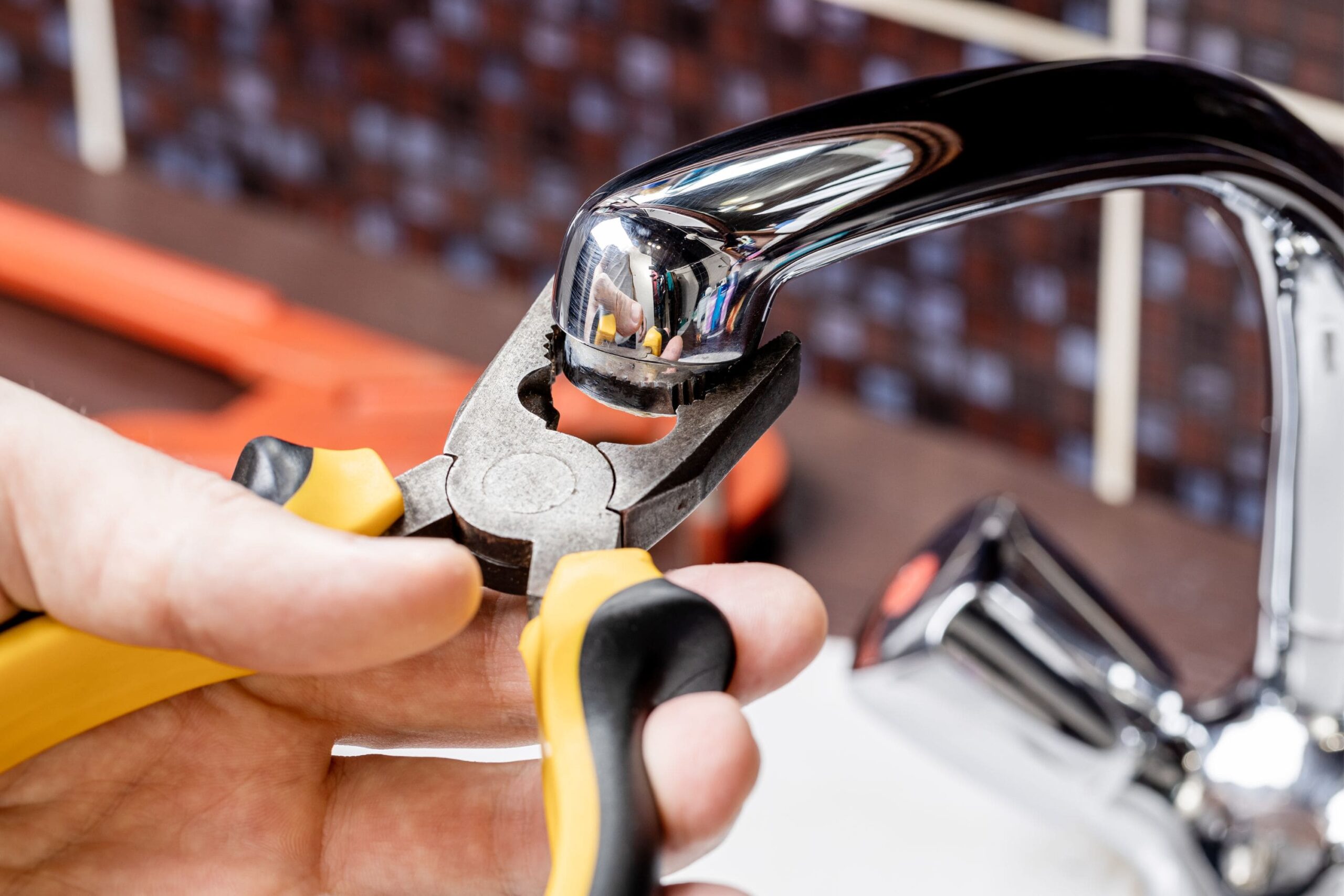
Use a screwdriver to remove the handle of the tap. If you have a compression tap, you may need to take off the decorative caps to access the screws. For cartridge taps, look for a retaining clip that holds the handle in place.
Step 4: Disassemble and Inspect Parts
Once the handle is off, use an adjustable wrench to loosen the packing nut. Carefully remove the stem or cartridge assembly. At this point, inspect all components — look for worn-out seals or washers. These parts usually need replacement to fix leaks.
Step 5: Replace Worn-Out Parts
Replace any worn washers or seals. Take the old parts to the market to ensure you buy the correct replacements. Washers typically cost between N500 and N2,000, depending on their size and material. Apply plumber’s tape around the threads before reassembling to prevent further leaks.
Step 6: Reassemble the Faucet
Reassemble the faucet in the reverse order you disassembled it. Ensure that each part is securely fastened but avoid over-tightening, which can cause damage. If you used a silicone sealant, allow it to dry according to the manufacturer’s instructions.
Step 7: Turn On the Water Supply
With everything in place, turn the water supply back on. Check for any leaks by turning on the tap. If you notice any drips, ensure everything is tightly secured or you may need to disassemble and reassess.
Costs and Fees
Here’s a detailed breakdown of the costs associated with fixing a leaking tap:
| Item | Estimated Price (Naira) |
|---|---|
| Replacement washers/seals | N500 – N2,000 |
| Plumber’s tape | N200 – N500 |
| Silicone sealant | N1,000 – N3,000 |
| Safety gloves | N300 – N1,000 |
| Tools (if not already owned) | N4,000 – N10,000 |
Overall, fixing a leaking tap in Nigeria could cost you somewhere between N2,000 and N16,000 depending on the parts you need to replace and whether you already own the necessary tools.
Comparison
When considering repairs, it’s essential to understand the differences in tap types since they may require different replacement parts. Below is a comparison of the various tap types:
| Tap Type | Repair Ease | Common Issues | Cost of Parts |
|---|---|---|---|
| Compression Tap | Moderate | Worn washers | N500 – N2,000 |
| Ball Tap | Moderate to Difficult | Corrosion | N1,500 – N3,000 |
| Cartridge Tap | Easy | Worn cartridge | N1,000 – N2,500 |
| Disc Tap | Difficult | Worn seals | N1,500 – N4,000 |
Common Mistakes to Avoid
Here are some pitfalls to watch out for:
- Skipping Verification: Always double-check the type of tap you have as using the wrong replacement parts can cause further leaks.
- Over-tightening:** While it’s essential to secure fittings, over-tightening can damage components and lead to leaks.
- Neglecting Regular Maintenance: After fixing the leak, perform regular checks and maintenance to avoid future leaks.
- Using Wrong Tools: Ensure you’re using the right tools for disassembly; using the wrong tool can cause stripped screws.
- Ignoring Safety: Always wear protective gear. This includes gloves and goggles to avoid injuries.
Tips and Insider Knowledge
Here are some insider tips for a successful DIY tap repair:
- Take clear photos of the tap assembly as you disassemble it. This can help you remember how to reassemble it correctly.
- Purchase extra washers and seals, as they can wear out quickly due to the hard water in many Nigerian regions.
- Seek out local plumber’s supply stores over general hardware stores as they may offer more specialized parts.
- If your tap is very old and requires hard-to-find parts, consider looking for local artisans who may be able to repair it instead of replacing it.
Frequently Asked Questions
1. What causes a tap to leak?
Leaks typically occur due to worn-out washers or seals, mineral deposits from hard water, and issues with the tap’s internal mechanisms. Wear and tear from regular use can also contribute to leaks.
2. Can I fix a tap leak without professional help?
Yes! Many tap leaks can be fixed with basic tools and knowledge, making it a budget-friendly DIY project.
3. How often should I check my taps for leaks?
Regular checks should be done at least once every six months, especially in high-use areas like the kitchen and bathroom.
4. Can a leaking tap lead to bigger plumbing issues?
Yes, if left unchecked, a leaking tap can lead to severe water damage, mold growth, and higher water bills. Prompt repairs can help prevent these issues.
5. Where can I buy replacement parts in Nigeria?
You can find replacement parts at local hardware stores, plumbing supply shops, or online marketplaces like Jumia and Konga.
Conclusion
Fixing a leaking tap at home in Nigeria is a manageable DIY task that can save you money and prevent damage. By following this guide and employing the right techniques, you can confidently tackle this project on your own. Every leak you repair contributes to water conservation and a more efficient home. So roll up your sleeves and get started!
