
Introduction
One of the most common household issues faced by Nigerians is the leaking tap. This seemingly minor problem can lead to significant water wastage and increased utility bills, ultimately affecting both the environment and your pocket. With Nigeria’s ongoing water scarcity challenges, every drop counts. Fixing a leaking tap at home is not only crucial for conserving our natural resources but also a skill that can save you money on plumbing services.
In this comprehensive guide, we will explore how to fix a leaking tap at home in Nigeria. Whether you are a seasoned handyman or a beginner looking to learn a new skill, this step-by-step tutorial will empower you with the knowledge needed to tackle this issue confidently. You will learn about the necessary tools and materials, the costs involved, and the potential pitfalls to avoid. Understanding these elements will not only facilitate a smooth repair process but will also enhance your DIY capabilities around the house.
Furthermore, we will provide insider tips specific to the Nigerian context, ensuring that the advice given is relevant and practical. Let’s dive into this essential DIY project that simplifies plumbing repairs and promotes sustainable living for Nigerians.
What You Need
Before starting the process of fixing a leaking tap at home, proper preparation is critical. Ensure you have all necessary items and information ready. Here’s what you’ll need:
Tools and Materials
- Adjustable Wrench: Ideal for loosening and tightening nuts.
- Screwdriver: A flat-head and Phillips screwdriver are usually required for different screws.
- Replacement Washers: Make sure to get the right size (usually between N200 and N1,000, depending on the quality).
- PTFE Tape: Used to seal pipe threads. A roll costs around N150 to N300.
- Rubber Gloves: To protect your hands while working.
- Basin or Bucket: To catch any water that may leak out during the repair.
Documentation
While not strictly needed, it may be helpful to have documentation such as:
- Tap Installation Manual: If available, this will provide specifics about your particular tap model.
- Receipt for Materials: Keeping track of your spending can assist with budgeting for future repairs.
Cost Overview
Normally, total costs for all the needed materials can range from N1,000 to N3,000 if you already own some tools. If you need to buy everything from scratch, budget around N5,000 to N10,000.
Step-by-Step Guide
Step 1: Identify the Source of the Leak
Before you start, you need to determine where the leak is originating from—whether the tap handle, the connection, or the spout. This can save you time and helps identify what parts need replacing.
Step 2: Gather Your Materials
Ensure you have all your tools and materials ready at your workstation. Having everything close at hand reduces the time spent fumbling for equipment while the tap is still running.
Step 3: Turn Off the Water Supply
Locate the shut-off valve under the sink or the main water supply for the house and turn it off. This will prevent water from flowing while you work, minimizing mess and potential accidents.
Step 4: Drain Remaining Water
Open the tap to allow leftover water to drain out. This step is crucial to avoid spillage during the repair.
Step 5: Remove the Handle
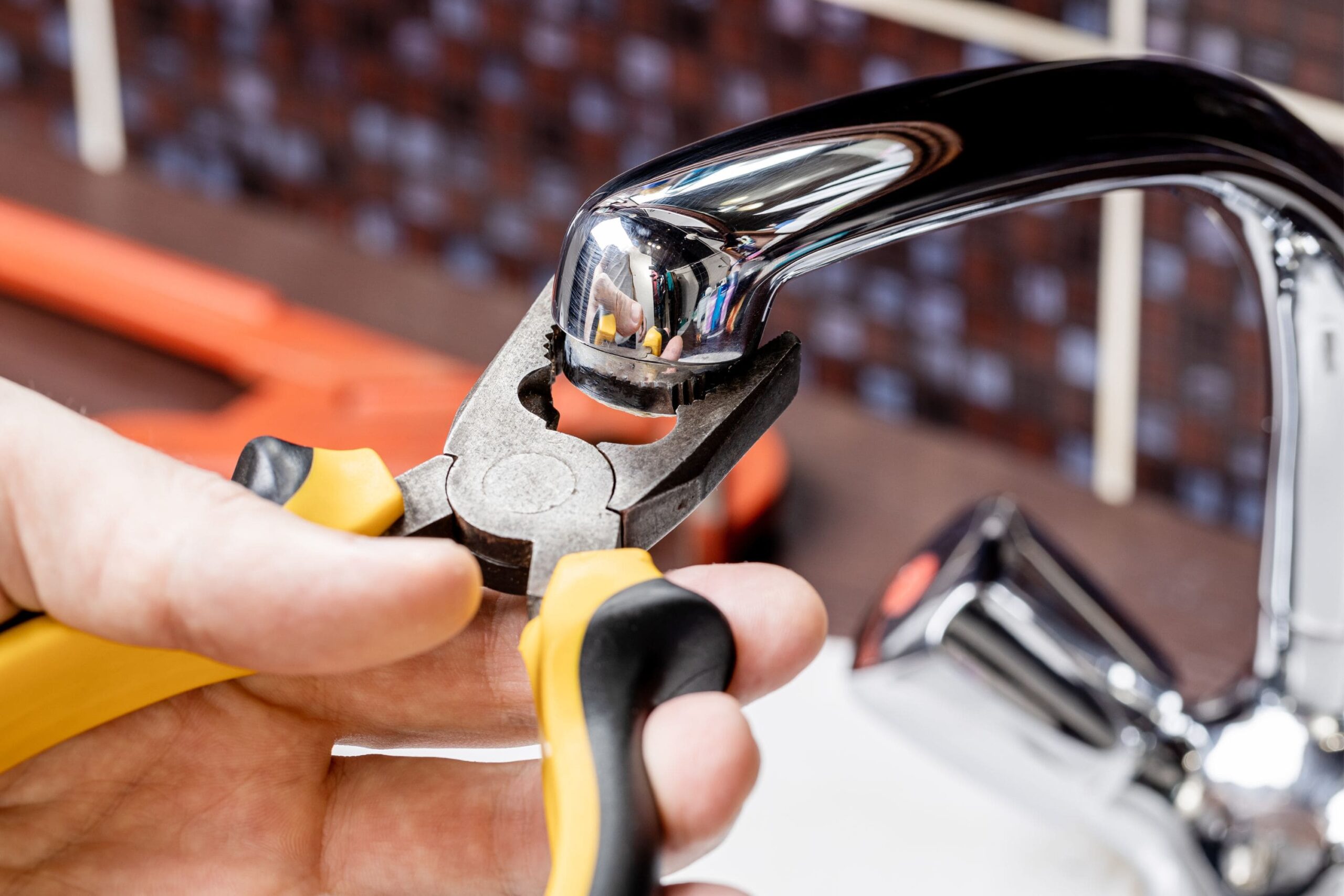
Using a screwdriver, take off the handle by undoing any screws. You may have to gently pry off decorative caps to access the screws. Be cautious not to scratch the surface.
Step 6: Replace the Washer or O-Ring
Once the handle is removed, you should see the valve. Remove the retaining nut with your adjustable wrench. Inspect the rubber washer or O-ring; if it’s worn out, replace it with a new one of the same size.
Step 7: Reassemble the Tap
After replacing the necessary parts, reassemble the tap in reverse order of disassembly. Ensure that everything is tightly fitted to avoid future leaks.
Step 8: Turn On the Water Supply
Once you have reassembled the tap, slowly turn on the water supply while checking for any leaks. If everything is working well, congratulations! You’ve just fixed your tap.
Costs and Fees
Here’s a detailed breakdown of costs incurred when fixing a leaking tap in Nigeria:
| Item | Estimated Cost (Naira) |
|---|---|
| Adjustable Wrench | 1,000 – 3,000 |
| Screwdriver Set | 1,500 – 2,500 |
| Replacement Washers | 200 – 1,000 |
| PTFE Tape | 150 – 300 |
| Rubber Gloves | 200 – 500 |
| Basin or Bucket | 300 – 1,000 |
| Total Estimated Cost | 5,000 – 10,000 |
Comparison
It’s essential to understand your options regarding materials and tools. Here is a comparative look at some popular brands for tap parts available in Nigeria:
| Material/Brand | Estimated Cost (Naira) | Notes |
|---|---|---|
| Everflow Washers | 300 – 700 | Durable, lasts longer than generic ones. |
| TapIt O-Rings | 200 – 500 | Good for various tap types. |
| MTN Tools Adjustable Wrench | 1,500 – 2,800 | High quality, generally recommended. |
| Generic PTFE Tape | 150 – 300 | Effective sealing for threaded connections. |
Common Mistakes to Avoid
Many Nigerians make typical errors while trying to fix a leaking tap. Here’s a list of common pitfalls and how to avoid them:
- Ignoring the Water Supply: Not turning off the water supply can lead to accidental flooding. Always remember this crucial step.
- Using the Wrong Size Washer: Ensure to get the correct size of washers or O-rings for your specific tap model to prevent future leaks.
- Over-tightening Connections: While it’s essential to ensure fittings are tight, overdoing it can crack fittings and cause leaks.
- Improperly Handling Tools: Using tools carelessly can damage tap components. Always handle them with care.
- Neglecting to Inspect for Other Issues: Sometimes, the leak could be a symptom of a larger problem. Always check for other issues while you are at it.
Tips and Insider Knowledge
A few insights can significantly improve your success in fixing leaks:
- Visit Local Markets: Places like Balogun Market in Lagos or Idumota Market offer various plumbing supplies at competitive prices.
- Ask for Recommendations: If you’re unsure about what materials to buy, visit a nearby hardware store and ask for recommendations from experienced workers.
- Watch Video Tutorials: Sometimes visual guidance can be the best tutor—consider watching videos specific to your tap model.
- Keep Spare Parts: It’s wise to have spare washers and O-rings on hand for future repairs, as they are usually very affordable.
- Join Local DIY Groups: Communities on platforms like Facebook or WhatsApp offer great tips and advice from fellow Nigerians.
Frequently Asked Questions
1. How do I know if my tap needs a replacement instead of repair?
If continuous leaks occur even after replacing washers and O-rings or if the body of the tap is severely corroded, it may be time to consider a replacement.
2. Can I use super glue on leaking parts?
Using super glue is not advisable as it may not withstand water pressure and could lead to more significant problems. Replace the damaged parts instead.
3. Is it worth calling a plumber for a simple leak?
If you feel uncomfortable with DIY tasks, it may be better to hire a plumber. However, if you follow these steps, it’s a manageable task for most homeowners.
4. What should I do if my tap leaks after repair?
Double-check connections, ensure everything is tight but not overstressed, and assess whether all parts were replaced correctly. If issues persist, consult a professional.
5. How can I prevent my tap from leaking in the future?
Regular maintenance and avoiding excessive force on the tap can help prevent leaks. Also, consider periodic inspections for wear and tear on washers and O-rings.
Conclusion
Fixing a leaking tap at home in Nigeria is an achievable task that can save you money and help conserve water. By following the detailed steps in this guide and avoiding common pitfalls, you’ll be well on your way to mastering this valuable DIY skill. Remember, practice and patience are key to becoming proficient at home repairs. Happy fixing!
