
Introduction
A leaking tap is not just a minor inconvenience; it is a common plumbing issue in many Nigerian households that can lead to bigger problems if not addressed timely. In Nigeria, where water scarcity is an enduring challenge, every drop counts. Therefore, fixing a leaking tap can help conserve water and reduce your water bill significantly. Moreover, dealing with such small repairs yourself can save you from the high fees that professional plumbers charge, which can range from N5,000 to N15,000 for simple tasks.
This blog post will guide you through the complete process of fixing a leaking tap at home in Nigeria. Whether you have a drip or a continuous stream from your faucet, we will cover everything you need to know to tackle the problem effectively. You will learn about the tools required, the steps involved in the repair, the associated costs, common pitfalls to avoid, and insider tips that will ensure you get the job done right.
By the end of this guide, you will feel confident in your ability to fix your leaking tap and potentially other plumbing issues without the need for a professional, empowering you as a DIY enthusiast in your home.
What You Need
Before diving into the repair process, it’s important to gather all necessary tools and materials to ensure a smooth and efficient job. Below are the requirements:
- Tools:
- Adjustable wrench (cost: N3,000 to N5,000)
- Screwdriver (Phillips and flathead)
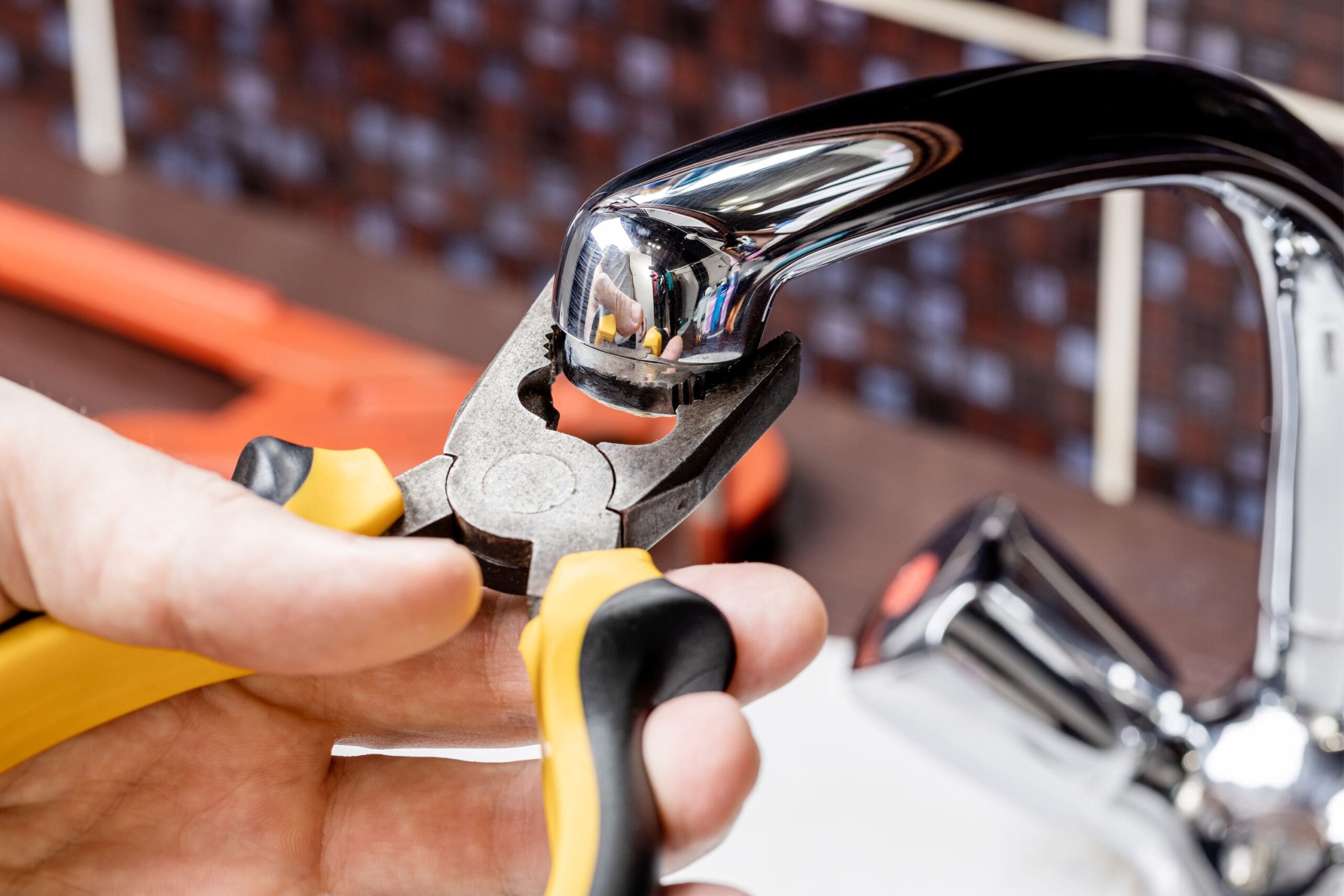
- Pliers
- Bucket (for catching dripping water)
- Tape measure
- Materials:
- Replacement washers (cost: N100 to N300 each, depending on size and quality)
- O-rings (cost: N200 to N500)
- PVC tape (cost: N150 to N250)
- Plumber’s grease (optional, cost: N500 to N1,000)
- Prerequisites:
- Access to the water supply valve to stop water flow
- Knowledge of the type of tap you are fixing (compression tap, cartridge tap, etc.)
Step-by-Step Guide
Now that you have gathered all the necessary tools and materials, let’s walk through a detailed step-by-step process on how to fix a leaking tap at home in Nigeria.
Step 1: Turn Off the Water Supply
Before starting any plumbing repairs, it is crucial to cut off the water supply to prevent flooding.
- Locate the isolation valve beneath the sink and turn it clockwise.
- If you can’t find the valve, turn off the main water supply to your house.
Step 2: Drain the Tap
After turning off the water supply, drain any remaining water in the tap.
- Open the tap to allow any residual water to flow out.
- Place a bucket beneath the tap to catch any leftover water when you disassemble the faucet.
Step 3: Remove the Tap Handle
Next, you need to remove the tap handle to gain access to the internal components.
- Use a screwdriver to remove the screws holding the handle in place.
- If the handle has a decorative cap, pry it off gently before removing the screws.
- Once the screws are out, pull the handle upwards to detach it.
Step 4: Dismantle the Tap Assembly
Now it’s time to take apart the tap assembly to inspect for the source of the leak.
- Use the adjustable wrench to loosen and remove the retaining nut.
- Carefully detach any rubber washers and O-rings, as these are often the culprits for leaks.
Step 5: Inspect and Replace Washers/O-rings
Check the condition of the washers and O-rings.
- If they are hard, cracked, or worn out, replace them with the new ones you purchased.
- Make sure you match the size of the washers to the original. Use a tape measure if necessary.
Step 6: Reassemble the Tap
Once you have replaced the damaged parts, reassemble the tap.
- Carefully put back the O-ring and washer in the correct order.
- Tighten the retaining nut using your wrench, but avoid over-tightening as this could cause damage.
Step 7: Test the Faucet
After reassembling, you can now test the faucet to see if the leak has been resolved.
- Turn the water supply back on by rotating the isolation valve counterclockwise.
- Open the tap and check for any leaks. If water drips, you may need to revisit some steps to ensure everything is fitted correctly.
Costs and Fees
Understanding the costs associated with fixing a leaking tap can help you budget effectively. Here is a rundown of potential expenses:
| Item | Estimated Cost (Naira) |
|---|---|
| Adjustable wrench | N3,000 – N5,000 |
| Screwdriver set | N1,500 – N3,000 |
| Replacement washers | N100 – N300 each |
| O-rings | N200 – N500 |
| PVC tape | N150 – N250 |
| Plumber’s grease | N500 – N1,000 |
Overall, you may spend between N5,000 and N15,000 to fix a leaking tap at home in Nigeria, depending on whether you need additional tools and materials.
Comparison
When considering whether to hire a plumber or fix the tap yourself, here’s a quick comparison of costs and time investment:
| Option | Cost (Naira) | Time Required | Skill Level |
|---|---|---|---|
| DIY Repair | N5,000 – N15,000 | 1 – 2 hours | Basic |
| Hiring Plumber | N5,000 – N15,000 (plus service charge) | 30 minutes | None |
Ultimately, choosing to go DIY not only saves money but allows you to gain valuable skills for future repairs.
Common Mistakes to Avoid
While fixing a leaking tap can be straightforward, many Nigerians often make mistakes that can worsen the problem. Here are some common pitfalls:
- Not turning off the water supply: This can lead to a small task becoming a flood.
- Using the wrong size or type of washer: Always make sure to replace old parts with the correct sizes to avoid future leaks.
- Over-tightening components: This can damage the tap and result in more leaks down the line.
- Neglecting to clean the components: Always clean the tap parts before reassembly to ensure proper sealing.
- Skipping the grease: Always use plumber’s grease on O-rings and threads to prevent future issues.
Tips and Insider Knowledge
Having worked with various plumbing issues in Nigeria, here are some insider tips that can help streamline your experience:
- Buy quality parts: Durable washers and O-rings might cost a bit more but can save you from future leaks.
- Use local hardware stores: Stores like Do It Yourself (DIY) in Lagos stock plumbing materials at competitive prices.
- Inspect for other leaks: While you’re at it, check underneath the sink for any other plumbing issues that may need attention.
- Use old rags: Keep some old rags handy to wipe away leakage during the repair process.
- Document your process: If it’s your first time, take pictures to track your progress and double-check your work later.
Frequently Asked Questions
- What causes a tap to leak?
A tap can leak due to worn-out washers, damaged O-rings, or issues within the tap cartridge. - How do I prevent my tap from leaking in the future?
Regular maintenance, including cleaning and replacing worn parts, can help prevent leaks. - Can a leaking tap cause damage to my property?
Yes, prolonged leaking can lead to water damage, mold, and increased utility bills. - Is it advisable to hire a plumber instead of doing it myself?
If you lack confidence in your skills, hiring a plumber is better, particularly for complicated setups. - How long does it take to fix a leaking tap?
Most leaks can be fixed within 1 to 2 hours with the right tools and parts.
Conclusion
Fixing a leaking tap at home in Nigeria is a manageable challenge that can save you money and conserve water. By understanding the tools and techniques necessary for the job, you can tackle this home repair confidently. Remember to take your time, gather all the required materials beforehand, and follow each step carefully to ensure a successful repair.
