
Introduction
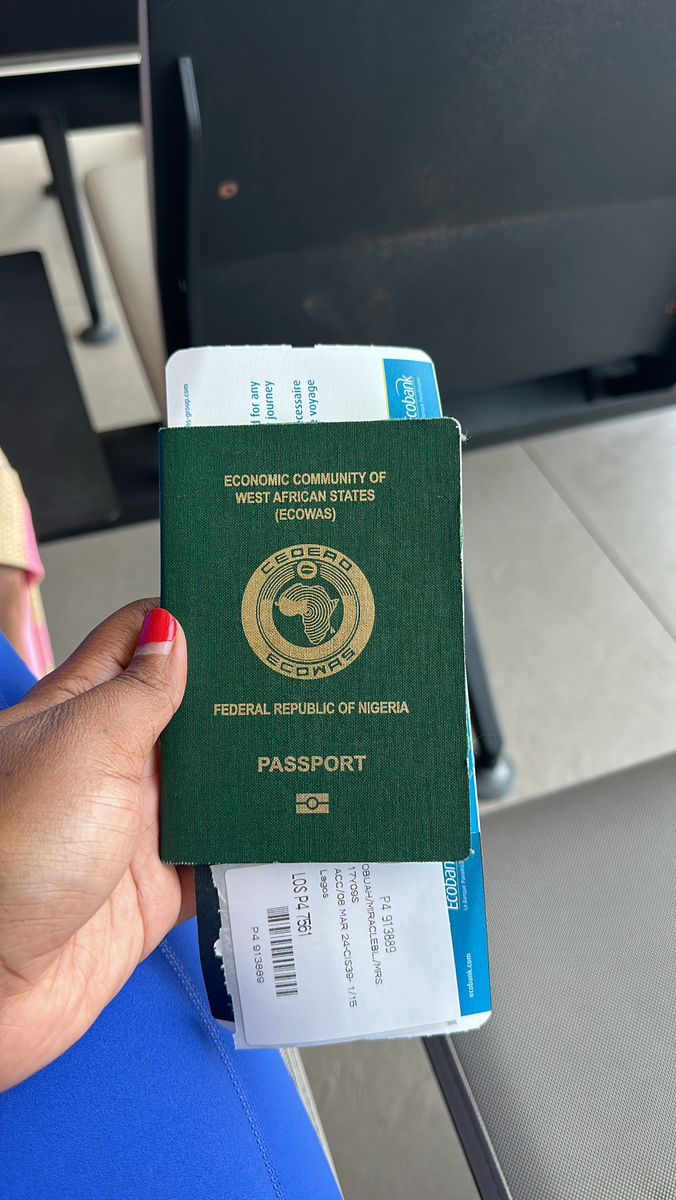
Obtaining a Nigerian passport is a fundamental process for every Nigerian citizen, whether for travel, business, or personal identification. In 2026, it is crucial to understand the comprehensive steps involved in getting a passport, especially given the increasing need for valid travel documents, paired with the unique challenges that can arise in Nigeria. Whether you’re a first-time applicant or seeking a renewal, this guide will equip you with the necessary knowledge to navigate the application process efficiently.
The need for a passport in Nigeria has grown significantly with the expansion of global travel and international opportunities. With Nigeria being one of the largest countries in Africa, it is increasingly home to a diverse population that frequently engages in international travel. Understanding how to get a Nigerian passport in 2026 will not only save you time but will also provide insights into avoiding pitfalls that many applicants face. In this guide, we will cover all that you need to know about the requirements, application steps, associated costs, and insider tips to make the process smoother.
This article aims to present a deeply detailed, accurate walkthrough that resonates with the Nigerian experience. By the end of this guide, you will not only learn how to apply for your Nigerian passport but also understand the intricacies of the process tailored specifically for Nigerians in 2026.
What You Need
Starting the passport application process requires careful preparation and understanding of what is needed. The following are the essential requirements for applying for a Nigerian passport in 2026:
- Application Form: Fill out the e-passport application form at passport.immigration.gov.ng.
- Birth Certificate or Statement of Age: For citizens by birth, a National Population Commission (NPC) birth certificate or a signed statement of age is mandatory.
- Valid ID: A form of identification which may include:
- Nigerian Identity Card (NIMC)
- Driver’s License
- Voter’s Card
- Passport Photographs: Four recent passport-sized photographs taken within the last six months, meeting the specifications outlined by the Nigeria Immigration Service (NIS).
- Old Passport: For renewal applicants, submission of the old passport is mandatory.
- Parents’ Documentation (for minors): If applying for a minor, you must provide the parents’/guardians’ identification documents, including their passports, as well as a signed letter of consent.
- Appointment: An appointment needs to be scheduled for biometric data capture through the NIS appointment portal.
Regarding fees, you should budget appropriately based on the type of passport you’re applying for:
- 32-page passport: Costs between N27,000 and N35,000
- 64-page passport: Costs between N40,000 and N55,000
Step-by-Step Guide
Here’s a comprehensive breakdown of how to apply for a Nigerian passport in 2026:
Step 1: Gather Required Documents
Ensure that all necessary documents listed in the previous section are collected. Check to ensure that your birth certificate is original, your ID is valid, and you have completed your passport photographs according to specifications.
Step 2: Fill Out the Application Form
Visit the NIS portal at passport.immigration.gov.ng and fill out the e-passport application form accurately. Ensure all your details are correct to avoid rejections. The application takes about 10 to 15 minutes to complete.
Step 3: Pay Application Fees
After filling out the application, you will be prompted to make a payment. Payments can be made via bank transfer or through USSD codes relevant to your bank. For example, you can use the following USSD codes for some major banks:
- GTBank: *737#
- Access Bank: *901#
- First Bank: *894#
The payment receipt should be retained for your records and must be presented at the appointment as proof of payment.
Step 4: Schedule Your Appointment
Schedule an appointment for biometric data enrollment on the NIS portal. It’s essential to choose a date that gives you enough time to collect any outstanding documents. Appointments can often be booked within a week or two, depending on the schedule availability.
Step 5: Visit the Passport Office
On your appointment day, arrive at the indicated NIS office with all required documents, including your payment receipt and appointment slip. Be punctual, as late arrivals might result in rescheduling. Ensure to bring copies of all documents as well.
Step 6: Biometric Data Capture
At the passport office, your biometric data, which includes fingerprinting and a digital photograph, will be taken. The process generally lasts about 30 minutes. After the biometric capture, you will receive a receipt stating your passport application was successfully submitted.
Step 7: Track Your Application
After a period of approximately 14 to 21 days, you can check the status of your application on the NIS portal. This will allow you to know when your passport is ready for collection. It is advisable to regularly check to avoid delays in your travel plans.
Costs and Fees
Breakdown of All Costs
The following is a detailed list of expected costs associated with obtaining a Nigerian passport in 2026:
| Item | Cost (Naira) |
|---|---|
| Application Form (32-page passport) | N27,000 – N35,000 |
| Application Form (64-page passport) | N40,000 – N55,000 |
| Passport Photographs | N1,500 – N3,000 (depending on the photographer) |
| Travel Expenses to Passport Office | Varies (approx. N500 – N2,000). |
| Miscellaneous Fees (copies, stationery) | N500 – N1,500 |
Comparison
When choosing between the 32-page and 64-page passports, consider your travel frequency and intended use:
| Passport Type | Size | Cost (Naira) | Best For |
|---|---|---|---|
| Standard Passport | 32 pages | N27,000 – N35,000 | Occasional Travelers |
| Expanded Passport | 64 pages | N40,000 – N55,000 | Frequent Travelers/Business |
Common Mistakes to Avoid
The application process can be daunting, and many Nigerians make common mistakes that can delay or complicate their passport acquisition:
- Incomplete Documentation: Always double-check your documents before arriving at the passport office to avoid unnecessary delays.
- Incorrect Information: Fill out the application form carefully to ensure all provided information is accurate. Discrepancies can lead to application rejection.
- Failure to Meet Appointment: Always keep your appointment, as skipping may mean rescheduling for a later date.
- Not Retaining Payment Receipts: Always keep a record of your payment receipt until the passport is collected.
Tips and Insider Knowledge
Here are some insider tips that might not be known widely, but can significantly ease your experience:
- Go Early: Arrive at the NIS office early in the morning; this reduces the waiting time significantly.
- Check Requirements Online: Prior to your visit, check the NIS website for any changes in requirements to save time and effort.
- Network: Engage with individuals who have completed the process recently; they can provide first-hand advice on current challenges faced.
- Use a Trusted Photographer: For passport photos, use a professional who is familiar with the specific requirements, which could prevent rejections.
Frequently Asked Questions
1. How long does it take to get a Nigerian passport?
The average processing time for a Nigerian passport can range from 14 to 21 days, but expedited services may be available for an additional fee.
2. What happens if I lose my passport during the application process?
If you lose your passport during the application, you should immediately report the loss to the nearest NIS office and potentially apply for a replacement, which may involve additional documentation and fees.
3. Can I apply for a passport on behalf of someone else?
Yes, you can apply for someone else, such as a minor, but you will need to present required documents, including their birth certificate and a letter of consent from their parent or guardian.
4. Can I change the details on my passport after it’s issued?
Changes to details on a passport can only be made through a formal application process, often requiring a new passport application if the change is significant.
5. What should I do if my application is rejected?
If your application is rejected, the NIS generally provides a reason for the rejection. Address these issues and reapply with the corrected documents and information.
Conclusion
Obtaining a Nigerian passport in 2026 requires careful attention to detail and adherence to procedures set by the Nigeria Immigration Service. By following this comprehensive guide, you can navigate the application process effectively and avoid common pitfalls. Make sure to prepare adequately, understand the costs involved, and leverage insider tips to ensure a seamless experience. With your passport in hand, you are one step closer to exploring the world beyond Nigeria.
