
Introduction
In Nigeria, the simple act of repairing a leaking tap can evoke a variety of responses—frustration, annoyance, or even urgency. Apart from being a nuisance in our everyday lives, a leaking tap can result in skyrocketing water bills and unnecessary wastage of resources. Water is a precious commodity in many Nigerian homes, and saving every drop counts. Understanding how to fix a leaking tap, particularly at home, not only saves money but also helps in conserving water, promoting environmental responsibility among individuals and households.
In this comprehensive guide, we’ll delve into the practical steps and essential tools you need for fixing a leaking tap at home, specifically tailored for the Nigerian context. We’ll walk you through everything from identifying the type of leak, to gathering your materials, to executing the repair. By the end of this post, you will be well-equipped not only to address your current tap issues, but also to tackle any similar problems that might arise in the future.
What is often overlooked is that fixing a leaking tap doesn’t have to be a complex task reserved only for plumbers. Many Nigerians find themselves relying on quick, sometimes ineffective fixes. In this guide, you will also learn some crucial insider tips and common mistakes to avoid, ensuring that your repair not only solves the immediate issue but also prevents future leaks.
What You Need
Before diving into the repair process, having the right materials and understanding the prerequisites is key. Below is a checklist of what you will need to effectively fix a leaking tap:
- Tools:
- Adjustable wrench (N1,500 – N3,000)
- Phillips and flat-head screwdrivers (N1,000 – N2,500)
- Plumber’s tape or Teflon tape (N300 – N700)
- Small bucket or container for any water spills (N500 – N1,000)
- Cleaning cloth (N200 – N600)
- Materials:
- Replacement washers or O-rings (N500 – N1,500 per set)
- Replacement tap cartridge (if needed, costs around N5,000 – N10,000)
- Silicone sealant (optional, N1,000 – N2,000)
- Documentation and Guidance:
- User manual of the tap (if available)
- Videos or tutorials specific to the type of tap (for visual guidance)
Ensure you have the above materials ready; this not only speeds up the repair process but also makes you more efficient in handling your task.
Step-by-Step Guide
Now that you have all the necessary tools and materials, let’s break down the steps to fix a leaking tap.
1. Identify the Type of Tap
Understanding the kind of tap you’re dealing with is essential. There are generally two main types: compression taps and cartridge taps. Compression taps typically have separate handles for hot and cold water, while cartridge taps often have a single lever. Knowing which type you have will guide you in finding the right parts and approach.
2. Turn Off the Water Supply
Before beginning any repair work, you must turn off the water supply to the tap. For most Nigerian homes:
- Locate the shut-off valves under the sink. These are often controlled by either a round knob or a lever.
- If there are no shut-off valves, turn off the main water valve for the household.
It’s essential to let the water in the tap drain out, and for this, turn on the tap to allow remaining water to flow out completely.
3. Gather All Tools and Materials
Position all the necessary tools and materials close to your working area. This includes your bucket for any potential drips. Keeping everything organized will save you time and frustration.
4. Disassemble the Tap Handle
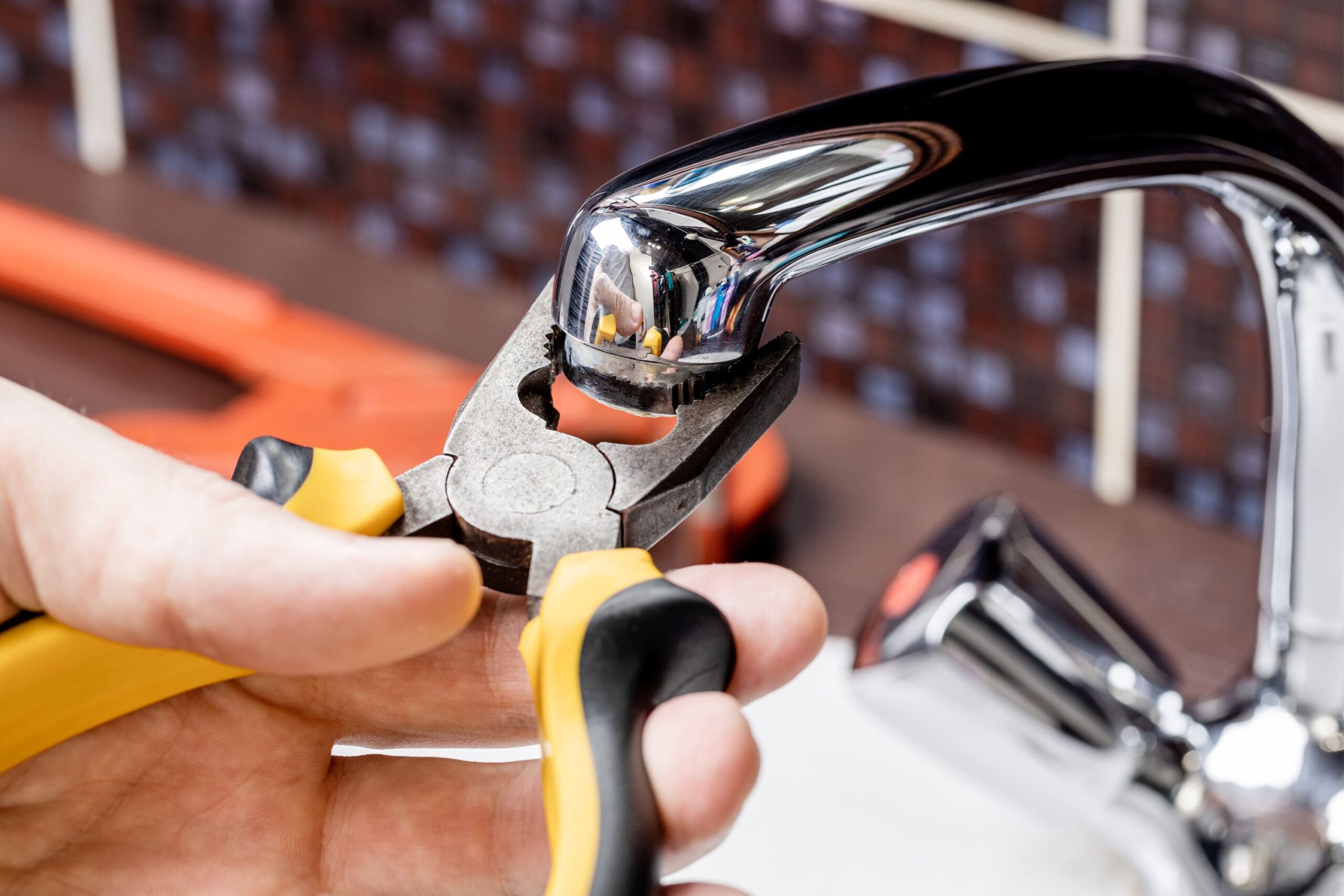
Using the appropriate screwdriver, remove the screws that hold the handle in place. Some taps may also have decorative caps that need to be popped off to access the screws. Store all screws securely so they won’t get lost.
5. Inspect and Replace the Washer or Cartridge
After the handle is off, you can see where the water exits. Most leaks are caused by worn-out washers:
- Inspect the washer at the tap’s base. If it’s cracked or worn, it needs replacing. Typically, you can find a suitable replacement in local hardware stores, ranging from N500 to N1,500.
- If it’s a cartridge tap, replace the entire cartridge (N5,000 – N10,000). Take the old one to the store to ensure you find an exact match.
6. Reassemble the Tap
Once the washer or cartridge has been replaced, it’s time to put everything back together:
- Carefully reassemble the tap in the reverse order of disassembly.
- Tighten screws without over-tightening to avoid cracking or damaging the tap.
7. Test Your Work
With everything back in place, turn the water supply back on and check for leaks. Operate the tap multiple times to ensure everything flows smoothly. If the leak persists, it may indicate a need for further inspection or a different part to be replaced.
Costs and Fees
When planning to fix a leaking tap, it’s vital to understand the potential costs involved:
- Adjustable Wrench: N1,500 – N3,000
- Screwdrivers: N1,000 – N2,500
- Plumber’s Tape: N300 – N700
- Bucket: N500 – N1,000
- Replacement Washers/O-rings: N500 – N1,500 per set
- Tap Cartridge: N5,000 – N10,000 (if needed)
- Silicone Sealant (optional): N1,000 – N2,000
As seen, fixing a leaking tap can cost between **N10,500 and N22,000** in total, depending on what you need to replace. This is a fair price considering a professional plumber might charge anywhere from **N5,000 to N15,000** just for labor, not including parts.
Comparison
Below is a comparison between hiring a professional plumber and taking the DIY approach:
| Aspect | DIY Approach | Professional Help |
|---|---|---|
| Cost | N10,500 – N22,000 | N10,000 – N25,000 (excluding parts) |
| Control | Full control over the repair | Less control, reliant on the plumber’s schedule |
| Skill Development | Learn valuable DIY skills | No skills learned |
| Time | Varies (1-2 hours) | Dependable on plumber’s availability (may take longer) |
Common Mistakes to Avoid
While fixing a leaking tap might seem straightforward, many Nigerians tend to make common mistakes that can complicate the process. Here are a few to steer clear of:
- Not Replacing Old Parts: Attempting to reuse worn-out washers can lead to future leaks.
- Skipping the Water Shut-off: Failing to turn off the water supply can create a messy situation.
- Over-tightening Fixtures: Many make the mistake of overtightening screws, leading to cracks.
- Neglecting Proper Cleanliness: Ensure all dirt is cleaned before reassembling to prevent future leaks.
- Not Asking for Help: If you’re unsure, it’s better to consult someone with expertise than risk a botched repair.
Tips and Insider Knowledge
To ensure a successful tap repair, these tips are invaluable:
- Use Plumber’s Tape: Apply plumber’s tape on threads for a better seal, particularly if replacing a whole tap.
- Take Your Time: Rushing through can lead to mistakes; take your time to follow each step carefully.
- Document Your Steps: If you’re not experienced, take photos before disassembly for reference.
- Keep a Repair Kit: Having a small kit at home with essential tools will save future hassles.
- Seek Tutorial Videos: Platforms like YouTube have numerous visual guides tailored for diverse tap types.
Frequently Asked Questions
1. Can I fix a leaking tap without professional help?
Yes! With basic tools and materials, many homeowners can fix their taps by following a step-by-step approach.
2. How long does it take to fix a leaking tap?
Generally, it takes between 1 to 2 hours depending on the complexity of the leak and your experience level.
3. Why do taps leak in the first place?
Leaks often occur due to worn-out washers, O-rings, or improper installation, leading to water seepage.
4. What if the leak persists after I’ve replaced parts?
If the leak continues, you may need to inspect for other damaged parts, or consult a plumber for a professional evaluation.
5. Do I need specialized tools to fix the tap?
Most repairs can be done with common household tools like screwdrivers and pliers. No specialized tools are typically necessary for basic tap repairs.
Conclusion
Fixing a leaking tap at home in Nigeria is a manageable task that can save you both money and water. By following the detailed steps in this guide, you arm yourself with the knowledge to correct this common household issue while avoiding pitfalls. Remember to gather your materials, take your time, and implement the handy tips provided. With a little persistence, you can become adept at handling your home repairs, ensuring comfort and efficiency in your living space.
