
Introduction
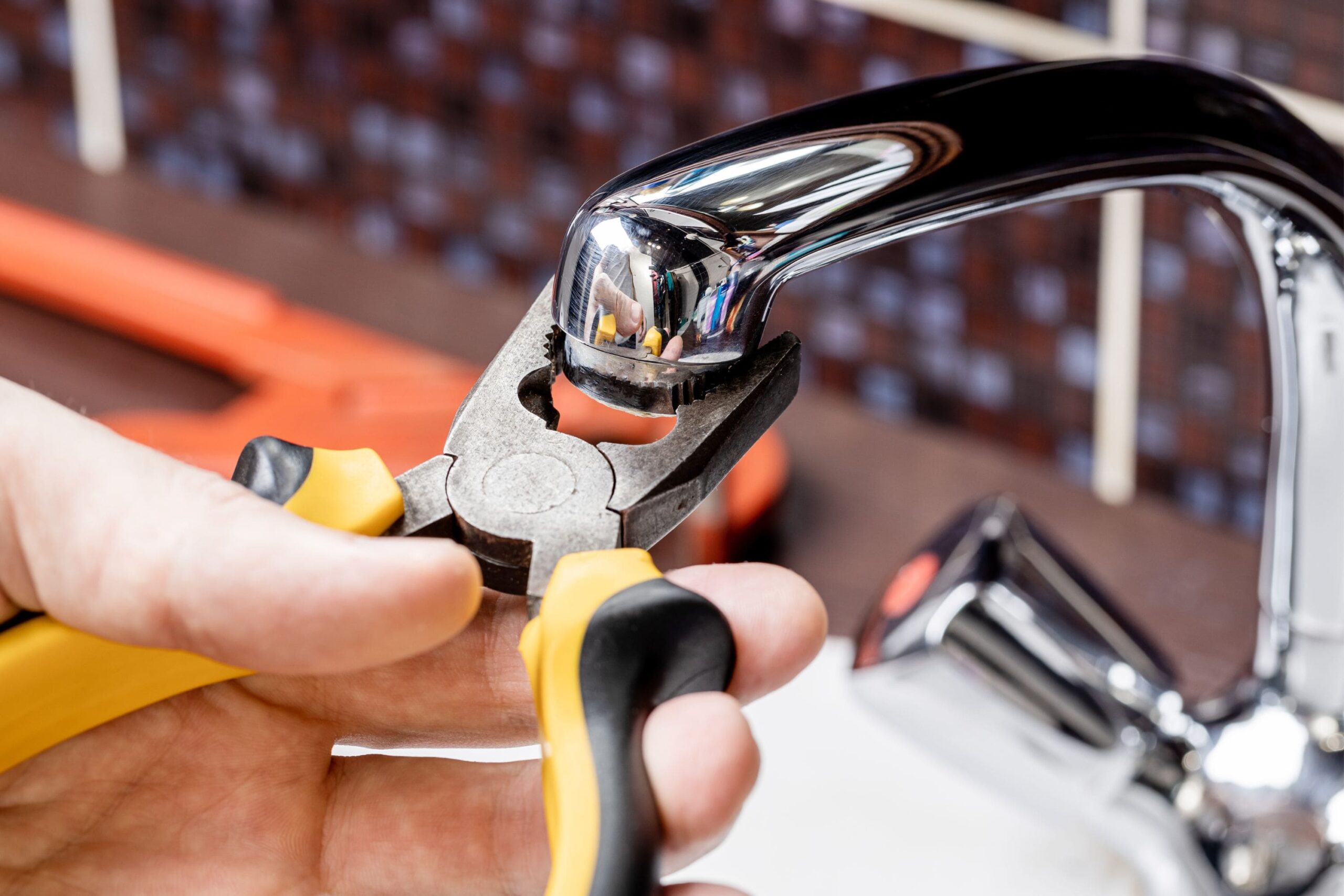
In Nigeria, a leaking tap can be more than just an inconvenience—it can also lead to increased water bills and contribute to water wastage, a significant issue in a country where access to clean and reliable water can be a challenge. Understanding how to fix a leaking tap at home is an essential skill that not only saves you money but also empowers you to maintain your household effectively. In this comprehensive guide, we’ll walk you through the important steps and tips needed to tackle this common household problem.
Moreover, with the rising cost of plumbing services, many Nigerians are opting for DIY solutions to home repairs. By equipping yourself with this knowledge, you can save significantly on plumbing bills, which can range from N5,000 to N30,000 depending on the extent of the problem and the plumber’s fees. This guide is tailored specifically for Nigerians, combining local insights and statistics to make the process as straightforward as possible.
Throughout this post, you will learn what tools and materials you need, step-by-step instructions to fix different types of taps—be it a kitchen tap, bathroom tap, or outside tap—and common mistakes that occur during repairs. With a bit of patience and the right approach, you’ll not only fix the leak but also gain confidence in handling other basic repairs in your home.
What You Need
Before embarking on your DIY journey, ensure you have all the necessary tools and materials readily available. Below are the requisites for fixing a leaking tap in Nigeria:
- Tools:
- Adjustable wrench or spanner (Cost: N1,500 – N3,000)
- Screwdrivers (both flat-head and Philips) (Cost: N700 – N1,500)
- Pliers (Cost: N1,000 – N2,000)
- Utility knife (Cost: N1,000)
- Tape measure (Cost: N500)
- Materials:
- Replacement washers (12 mm is common) (Cost: N250 – N600 per pack)
- O-ring or new cartridge (depending on the tap type) (Cost: N500 – N2,000)
- Silicone sealant (optional for extra sealing) (Cost: N1,000)
- Personal protective equipment:
- Gloves (Cost: N500)
- Safety goggles (Cost: N1,000)
Step-by-Step Guide
Fixing a leaking tap can vary slightly depending on the type of tap you have. Generally, you can follow these steps for most standard taps found in Nigerian homes.
Step 1: Turn Off the Water Supply
Before doing anything, it’s crucial to turn off the water supply to the tap to avoid a messy situation.
- Locate the main water valve, usually positioned under the sink or outside your home. This is where you can turn off the water supply.
- If your tap has its own shut-off valve (common in kitchen taps), turn it off by rotating it clockwise.
Step 2: Drain the Tap
Once the water supply is off, let any remaining water flow out of the tap before you begin repairs. This reduces the risk of spills.
- Open the tap to allow any remaining water to drain out.
Step 3: Disassemble the Tap
Next, you’ll need to take the tap apart to identify the source of the leak.
- Use the screwdriver to remove any decorative caps or handles to access the screws.
- Loosen the screws and carefully pull off the handle. Keep them in a safe place for reassembly.
- Check the internal parts and identify the washer or cartridge that needs replacement.
Step 4: Inspect and Replace the Washer or Cartridge
In most cases, taps leak due to worn-out washers or cartridges.
- Check the condition of the washer; if it appears cracked or worn, replace it with a new one of the same size.
- If your tap has a cartridge (common in modern designs), remove the old cartridge and replace it with a new one.
Step 5: Clean the Components
Before assembling everything back, it’s important to clean the components.
- Use a cloth to wipe down the interior of the tap and the removed parts to eliminate any dirt or grime that may affect the seal.
Step 6: Reassemble the Tap
Carefully put everything back together, ensuring that parts are secured properly.
- Position the washer or cartridge correctly. Align everything as it was initially.
- Replace the handle and tighten the screws without overdoing it to avoid cracking the plastic or metal.
Step 7: Test the Tap
Finally, turn the water supply back on and test the tap.
- Check for leaks by running water through the tap.
- If leaks persist, disassemble and recheck that components were assembled correctly.
Costs and Fees
The overall cost of fixing a leaking tap at home can vary significantly depending on whether you need to buy new parts or tools. Below is a breakdown of potential expenses in 2026:
| Item | Estimated Cost (Naira) |
|---|---|
| Adjustable Wrench | 1,500 – 3,000 |
| Screwdrivers (set) | 700 – 1,500 |
| Pliers | 1,000 – 2,000 |
| Replacement Washers (Pack) | 250 – 600 |
| New Cartridge | 500 – 2,000 |
| Silicone Sealant | 1,000 |
| Personal Protection Gear | 1,500 |
Total Estimated Cost: Between N5,000 and N10,000, depending on the condition of your tap and the tools you might already own.
Comparison
When it comes to types of taps, here is a quick comparison of the most common types and their repair complexities:
| Type of Tap | Common Issues | Repair Difficulty |
|---|---|---|
| Compression Tap | Washer wear and leaking | Medium |
| Ball Tap | Cartridge wear | High |
| Cartridge Tap | Cartridge leaks | Medium |
| Disc Tap | Seal wear | Medium to High |
Common Mistakes to Avoid
Even experienced DIYers can overlook a few key details when fixing taps. Here are the most common mistakes Nigerians make and how to avoid them:
- Not Turning Off the Water Supply: Failing to turn off the water can lead to flooding. Always check this step before starting.
- Using Wrong Parts: Ensure you match the size of the washer or cartridge with the old one. A mismatched size will not seal properly.
- Over-tightening Screws: This can lead to damaging components. Tighten just enough to ensure they stay secure.
- Skipping Cleaning: Not cleaning the components before reassembly can result in continued leaks.
- Ignoring Residual Water: Failing to drain out all the water can lead to dripping during the repair process.
Tips and Insider Knowledge
Here are some insider tips that most Nigerians may not know when it comes to fixing their taps:
- Regular Maintenance: Periodically check your taps for leaks or drips. Early detection often prevents larger issues.
- Use Quality Materials: Invest in quality washers and cartridges; cheaper options may fail sooner, requiring frequent repairs.
- Watch Online Tutorials: Local artisans have various instructional videos on social media platforms that depict DIY fixes for specific tap types.
- Keep Spare Parts: With common taps across Nigerian homes, having a few spare washers or cartridges can save you time during a leak.
- Consult with Plumbers: If unsure at any step, it’s wise to consult a local plumber for guidance—sometimes their insights can be quite valuable.
Frequently Asked Questions
Here are some commonly asked questions about how to fix a leaking tap at home in Nigeria:
1. What are the most common causes for a tap to leak?
The primary reasons include worn-out washers, damaged O-rings, a faulty cartridge, or corroded components. Regular inspection can help identify these issues early.
2. How can I identify what type of tap I have?
Generally, inspecting the design can help identify the type. Compression taps are usually older, whereas cartridge and ball taps have a more modern aesthetic. Consult a hardware store for specifics based on images.
3. How long should the repair take?
This largely depends on your experience level and the tap type. A straightforward repair on a compression tap may take as little as 30 minutes, while more complex types could take longer.
4. Should I call a plumber if the leak continues?
Yes, if your repairs do not stop the leak, it’s wise to consult a plumber. Persistent leaks can indicate larger underlying issues that may need professional help.
5. Can I use silicone sealant to temporarily stop a leak?
Silicone sealant can offer a temporary fix for minor leaks while you source the parts needed for a full repair. However, it should not replace proper repair techniques.
Conclusion
Fixing a leaking tap at home in Nigeria is a manageable DIY task that makes a significant difference in conserving water and reducing expenses. With the right tools, materials, and guidance, you can address this common household issue effectively. By following this comprehensive guide, you are empowered to take control of your plumbing issues, leading to a more efficient and sustainable home.
