
Introduction
In Nigeria, a leaking tap can be more than just an annoyance; it can lead to inflated water bills and even water wastage. With the incessant water supply challenges in many regions, it becomes crucial for every household to tackle such issues promptly. A leaking tap not only symbolize inefficiency but can also escalate repair costs if left unchecked.
This comprehensive guide will provide you with the knowledge and step-by-step process you need to fix a leaking tap at home, specifically tailored for Nigerians. With the help of local statistics, real costs for tools and parts, as well as commonly faced challenges, you’ll have the power to address this typical household issue.
Whether you are looking to save on plumbing fees, avoid unnecessary wastage, or simply gain new DIY skills, our informative guide is here to deliver. You will learn about the materials you need, the procedure to follow, and valuable tips to ensure that your tap remains leak-free in the long term. Let’s dive into the nitty-gritty of fixing a leaking tap effectively in Nigeria!
What You Need
Before you embark on the journey to fix your leaking tap, it is vital to gather all the necessary tools and materials. Here’s a detailed list:
- Tools:
- Adjustable wrench (costs between N1,500 and N5,000)
- Screwdriver set (costs between N1,000 and N3,000)
- Plumber’s tape (N200 – N1,000)
- Towel or rag (N100 – N500)
- Materials:
- Replacement washers (N200 – N2,000, with varied sizes available)
- Rubber O-rings (N200 – N1,500)
- Silicone sealant (N500 – N2,000)
Prerequisites: You need basic home repair skills and the willingness to learn. Experience with DIY tasks will be beneficial but not mandatory.
Step-by-Step Guide
Now that you have your tools and materials ready, let’s explore the detailed steps to fix the leaking tap.
Step 1: Identify the Source of the Leak
Before fixing, it is crucial to determine where the leak is originating. Is it coming from the tap head, the base, or the faucet itself? You can do this by:
- Turning on the tap and observing the flow of water.
- Listening for constant dripping sounds.
- Inspecting the components for visible water damage.
Take note of where the leak is located, as this will influence your repair approach.
Step 2: Turn Off the Water Supply
Before commencing any repairs, make sure to turn off the water supply to prevent further leakage. This is typically done via the shut-off valve located under the sink. If you’re unsure, you may also turn off the main water supply to the house.
Step 3: Disassemble the Tap
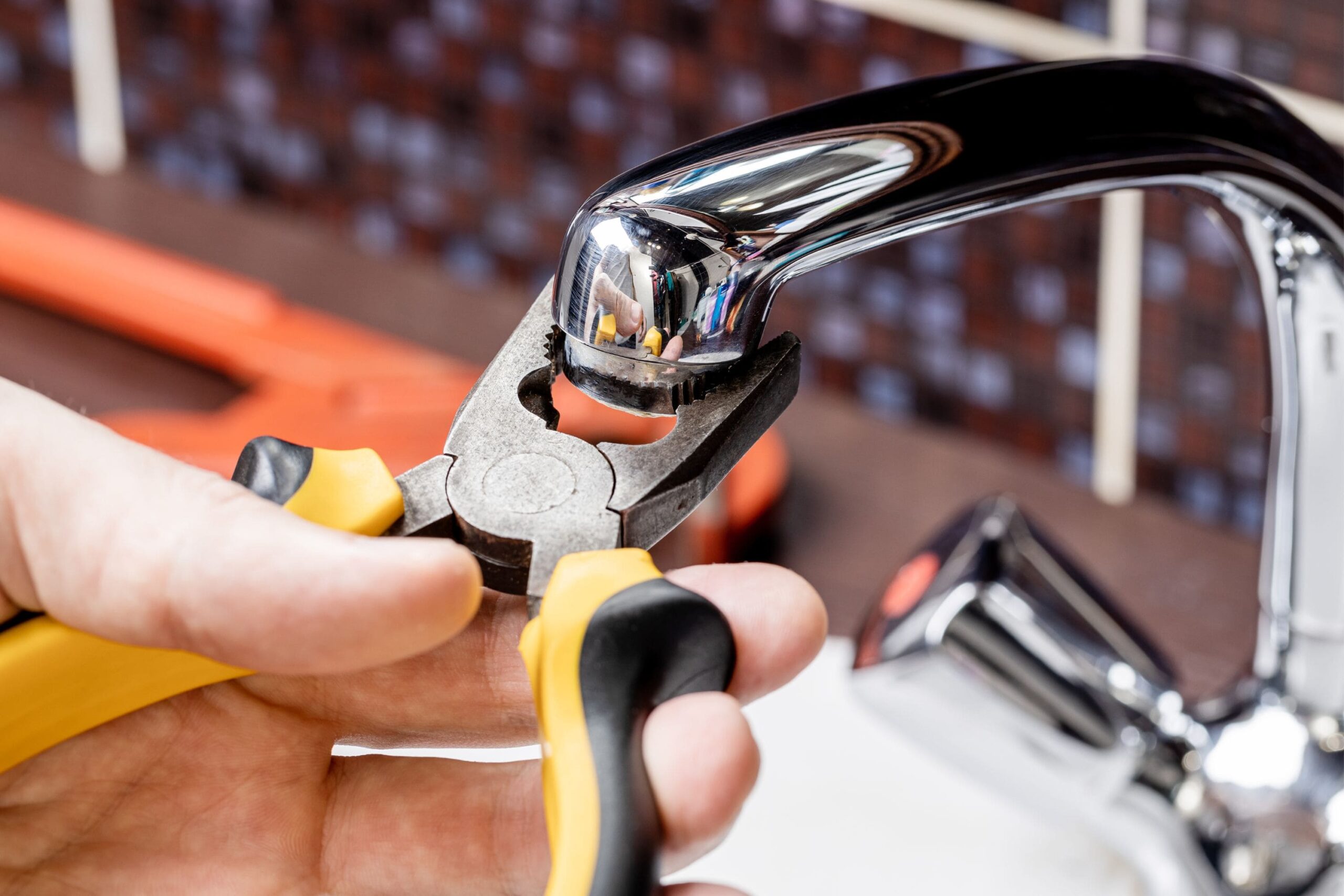
Using an adjustable wrench and screwdriver, disassemble the tap. Take pictures as you go, which can help you remember how to reassemble it later. Follow these instructions:
- Use the wrench to remove the faucet handle. This may require some force depending on rust or build-up.
- Take off the decorative cap if applicable; this is often where the screws are hidden.
- Remove any retaining screws, then lift off the handle gently.
Set all parts aside in a safe area, and ensure not to lose any screws. This is where your towel comes in handy to catch falling screws.
Step 4: Inspect the Washer and O-rings
Once you have access to the innards of the tap, inspect the washers and O-rings. If they are cracked, worn out, or brittle, they need replacing. Take the old washer to a hardware store for size matching.
Step 5: Replace Worn Parts
Now it’s time to install new parts. Remove the old washer and replace it with a new one. Similarly, clean and replace any damaged O-rings. Make sure the new parts fit snugly to avoid leaks.
Step 6: Reassemble the Tap
After replacing the parts, it is time to reassemble the faucet. Refer to the pictures taken earlier, which will guide you in placing each component back in the correct order.
Step 7: Test the Tap
Turn the water supply back on slowly and check for leaks. If no leaks are visible, congratulations! You’ve successfully fixed your leaking tap. However, if there’s still leakage, you may need to reassess the installation.
Costs and Fees
Here’s a breakdown of the costs incurred in fixing a leaking tap in Nigeria as of 2026:
| Item | Cost Range (Naira) |
|---|---|
| Adjustable Wrench | 1,500 – 5,000 |
| Screwdriver Set | 1,000 – 3,000 |
| Plumber’s Tape | 200 – 1,000 |
| Towel or Rag | 100 – 500 |
| Replacement Washers | 200 – 2,000 |
| Rubber O-rings | 200 – 1,500 |
| Silicone Sealant | 500 – 2,000 |
| Total Estimated Cost | 2,800 – 15,000 |
Comparison
Comparing the cost of doing it yourself vs. hiring a plumber can be insightful. Below is a comprehensive comparison:
| Option | Cost (Naira) | Pros | Cons |
|---|---|---|---|
| DIY Repair | 2,800 – 15,000 | Cost-effective, Skill Development | Time-Consuming, Needs Basic Skills |
| Hiring a Plumber | 5,000 – 20,000 | Quick Resolution, Professional Quality | High Cost, No DIY Skill Development |
Common Mistakes to Avoid
As you navigate this DIY project, be careful of these common mistakes:
- Ignoring the Water Supply: Forgetting to turn off the water supply can lead to a wet mess.
- Not Matching Sizes: Always match the size of the washers or O-rings with the ones being replaced.
- Overtightening: Stripping screws by overtightening can create new leaks.
- Neglecting Maintenance: Once fixed, regular maintenance helps in reducing future occurrences of leaks.
Tips and Insider Knowledge
Here are some insider tips that can make the process smoother:
- Take measurements of the old parts before heading to the hardware store.
- Purchase extra washers and O-rings to have replacements on hand in case of future leaks.
- The use of plumber’s tape can provide an extra seal against leaks.
- Always clean the faucet parts before reassembling; grime can cause improper sealing.
Frequently Asked Questions
Here are some common queries Nigerians have regarding fixing leaking taps:
1. What causes a tap to leak?
A tap can leak due to worn out washers or O-rings, loose components, or corrosion within the faucet body.
2. How can I prevent future leaks?
Regular maintenance, timely replacement of worn parts, and ensuring proper installation will help prevent future leaks.
3. Can I use any washer for my tap?
No, always ensure to use the correct size and type of washer specific to your tap type.
4. Is it cost-effective to fix my tap instead of buying a new one?
Yes, generally, repair is more cost-effective, especially for minor leaks. However, if the tap is old or corroded, consider a replacement.
5. How long should it take to fix a leaking tap?
A typical fix takes about 30-60 minutes, depending on your level of experience.
Conclusion
Fixing a leaking tap at home in Nigeria doesn’t have to be a daunting task. With the right tools, adequate knowledge, and careful execution, you can effectively resolve this issue yourself. By learning how to perform simple household repairs, you not only save money but also contribute to a more sustainable use of resources in challenging water supply situations.
