
Introduction
In Nigeria, a leaky tap can quickly become a major nuisance. Not only does it waste water, contributing to the country’s ongoing water scarcity issues, but it can also lead to increased utility bills that your household budget cannot afford. Locating and repairing a leaking tap is an essential skill that every Nigerian should have. With adequate knowledge, you can save yourself from unnecessary costs associated with hiring a plumber. This guide will delve into the straightforward process of fixing a leaking tap, providing you with an easy-to-follow step-by-step guide, including detailed costs, materials needed, and common mistakes to avoid.
This DIY repair task is one that many Nigerians encounter at some point, whether from wear and tear or poor installation practices. Many homeowners often leave such repairs unattended, although taking action can prevent further damage and lead to a more sustainable household. Beyond fixing leaks, you’ll learn valuable maintenance practices to keep your plumbing in good shape and save both your time and finances in the long run.
By the end of this guide, you will not only know how to fix a leaking tap but also understand the costs involved, common mistakes people make, and insider tips that can make your repair journey significantly easier. Whether you live in a bustling city like Lagos or a quieter town like Ife, this knowledge is essential for every Nigerian household.
What You Need
Before embarking on your journey to fix that leaking tap, it’s crucial to gather all the necessary materials and tools. Here’s a comprehensive list of what you will need:
- Tools:
- A wrench (or pliers)
- A screwdriver (flathead and Philips)
- A bucket or bowl (to catch any water)
- A cloth or rag (to wipe any spills)
- Materials:
- Replacement washer (costs between N150 to N300 per piece depending on size and brand)
- New tap cartridge (for cartridge faucets, costs range from N800 to N1,500)
- Silicone sealant (optional, about N500 to N800)
- Documents:
- For residential building, having plumbing diagrams handy may assist if there are underlying issues.
- Fees:
- The cost of hiring a plumber ranges from N5,000 to N10,000, depending on the complexity of the tap and the labor involved.
Step-by-Step Guide
Now that you have all the necessary tools and materials, follow these systematic steps to fix your leaking tap:
Step 1: Turn Off the Water Supply
The first thing you want to do is turn off the water supply to prevent any flooding while you work. Look for the shut-off valve under the sink or close to the wall. In some cases, you might need to shut off the main water supply to your house, typically found near the water meter. This step is crucial for avoiding excess water wastage or accidents.
Step 2: Identify the Type of Tap
Different types of taps (compression, cartridge, ball, and disk) require different approaches to fix. Identify what type of tap you have before proceeding. This will save you time during the repair. Compression taps usually have separate hot and cold water handles, while cartridge taps have one or two handles but operate with cartridges.
Step 3: Remove the Handle
Using your screwdriver, gently remove the decorative cap, if any, and then the screws to lift off the handle. Be careful not to force it, as this could damage the tap further. If it’s stuck, wiggle it gently instead of using excessive force.
Step 4: Unscrew the Packing Nut
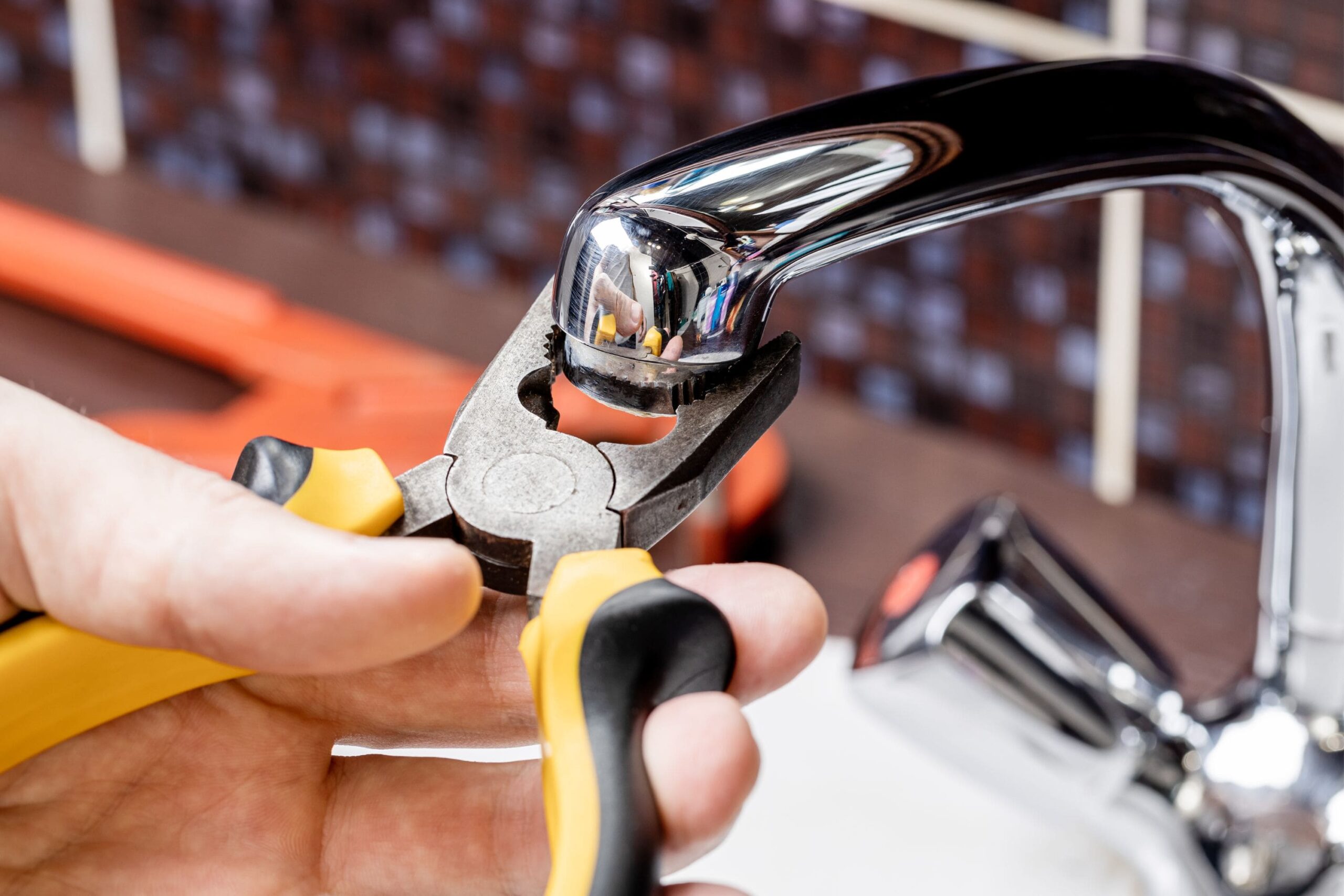
Utilize your wrench or pliers to remove the packing nut. This nut holds the washer in position and needs to be unscrewed to access the internal components. Make sure to remember the order of any parts you remove for easier reassembly.
Step 5: Replace the Washer or Cartridge
If your tap is of the compression type, replace the old washer with the new one you purchased earlier. If it’s a cartridge type, replace the cartridge and ensure it fits securely. Be sure to compare the old and new washers or cartridges for proper sizing.
Step 6: Reassemble the Tap
Once you have replaced the washer or cartridge, carefully reassemble the tap. Start by locking the packing nut back in place and then reattach the handle. Ensure that all parts are tightened well, but avoid over-tightening, which may cause further damage.
Step 7: Turn On the Water Supply
Finally, turn on the water supply and test the tap for leaks. Allow the water to run for a minute before checking. If no leaks appear, congratulations! You’ve successfully fixed your leaking tap. If leaks persist, disassemble again to ensure all parts were installed correctly.
Costs and Fees
Here is a breakdown of potential costs you can expect when fixing a leaking tap:
| Item | Cost (Naira) |
|---|---|
| Replacement Washer | 150 – 300 |
| Tap Cartridge | 800 – 1,500 |
| Silicone Sealant | 500 – 800 |
| Plumber Fee (if hired) | 5,000 – 10,000 |
The total cost for a DIY fix usually falls between N1,450 and N2,600 depending on the parts replaced. This amount is significantly lower than hiring a plumber, which could cost you between N5,000 and N10,000.
Comparison
Here’s a comparison of the costs involved in DIY fixing versus hiring a plumber:
| Options | DIY Fix | Hiring a Plumber |
|---|---|---|
| Parts Cost | N1,450 – N2,600 | N/A |
| Labor Cost | N/A | N5,000 – N10,000 |
| Total Costs | N1,450 – N2,600 | N5,000 – N10,000 |
Common Mistakes to Avoid
- Not Turning Off the Water Supply: Failing to do this can lead to water wastage and flooding.
- Using Wrong Parts: Ensure you buy the right size and type of washers or cartridges to prevent leaks.
- Over-tightening Connections: This can damage washers and cause more leaks.
- Ignoring Temporary Fixes: Don’t rely on tape or glue for leaks—these are often temporary solutions.
Tips and Insider Knowledge
Here are some insider tips to help make your repair easier:
- Keep an old shoe box to store old washers or parts; you can use them for sizing during replacements.
- Always take the old part with you when shopping for replacements to ensure perfect matches.
- Consider applying plumber’s grease to the threads of the parts to prevent them from sticking in the future.
- If you cannot locate the necessary parts in local stores, consider online options like Jumia or Konga, where plumbing supplies are readily available.
Frequently Asked Questions
1. Can I fix a leaking tap without hiring a plumber?
Absolutely! Most leaking taps can be fixed with a little patience and the right tools. Following this guide, you can carry out the repair yourself and save money.
2. How do I know if my tap is cartridge-based or compression-based?
If your tap has one handle controlling both hot and cold water, it is likely cartridge-based. Two separate handles usually indicate a compression type.
3. What if the leak persists after repairing?
If you have replaced washers or cartridges but the leak continues, it might indicate a more significant plumbing issue. In this case, consulting a professional plumber is advisable.
4. How often should I check my taps for leaks?
Regularly inspect your taps every few months, especially after heavy rains or flood situations, where plumbing might be stressed.
5. Are there any permanent solutions for preventing leaks?
Using quality parts for installations and repairs coupled with periodic maintenance checks can ensure lasting durability and prevent future leaks.
Conclusion
Fixing a leaking tap at home in Nigeria is not just about saving water; it’s about ensuring that your household is efficient and economical. By following this comprehensive guide, you’re equipped to handle minor plumbing issues with confidence. Remember to gather your materials, heed the steps provided, and most importantly, learn from any mistakes to become more adept in your DIY home repairs. Taking action today can lead to a significant positive impact on your home and environment.
