
Introduction
Have you ever stood at your sink, bewildered by the incessant sound of dripping water from your tap? If you’re a Nigerian homeowner, this scenario might feel all too familiar. A leaking tap is not just an annoying sound; it can also lead to significant water wastage and increased utility bills. Understanding how to fix a leaking tap at home in Nigeria is crucial not only for your financial well-being but also for fostering a culture of sustainability.
This comprehensive guide will take you through the entire process of identifying, diagnosing, and fixing a leaking tap, specifically tailored for Nigerians. By the end of this article, you will learn about the tools and materials required, detailed step-by-step instructions, common pitfalls to avoid, and insider tips that can save you both time and money.
Whether you’re dealing with a simple faucet drip in your kitchen or bathroom, or a more complex plumbing issue, knowing how to navigate this part of home maintenance can empower you as a homeowner. So let’s delve into how to take you from a dripping tap to a securely fixed one!
What You Need
Before embarking on your journey to fix that pesky leaking tap, make sure you have the following tools and materials ready. The costs mentioned are reflective of prices in Nigeria, 2026.
- Tools:
- Wrenches (costs between N2,500 and N5,000)
- Screwdriver set (costs around N1,500)
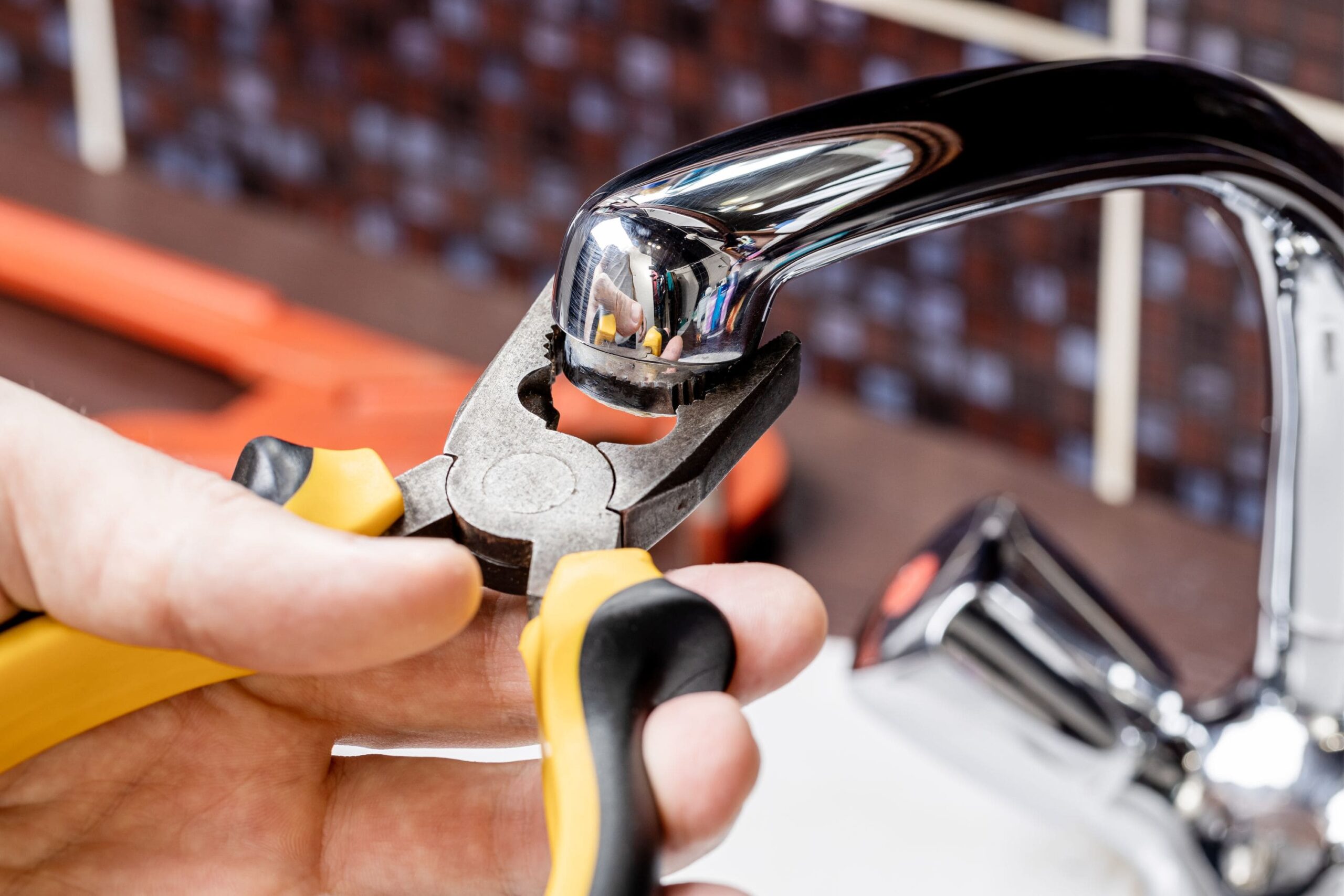
- Pliers (costs around N2,000)
- Tape measure (costs around N1,000)
- Bucket or bowl (to catch water, costs about N1,000)
- Materials:
- Replacement washers (costs between N500 and N1,500)
- New tap or faucet (if needed, costs between N10,000 and N25,000)
- Silicone sealant (costs around N2,000)
- Documentation: If you plan on hiring a professional later, keep any warranties or receipts for your existing tap.
Step-by-Step Guide
Step 1: Identify the Type of Tap
The first step in fixing a leaking tap is to identify what type of tap you have. Common types in Nigeria include:
- Compression taps
- Ball taps
- Cartridge taps
- Disc taps
Your repair technique will vary based on the type.
Step 2: Turn Off the Water Supply
Before starting any repairs, ensure that you turn off the water supply to the tap. This is usually done by locating the shut-off valve under the sink and turning it clockwise. If you cannot locate a valve, turn off the main supply at the water meter.
Ensure you run the tap to drain any remaining water, and place a bucket beneath the faucet to catch any excess.
Step 3: Remove the Tap Handle
Use a screwdriver to remove any screws holding the handle in place. For taps with hidden screws, you may need to use a flat-head screwdriver to pry off the decorative cap.
Once unscrewed, carefully lift the handle off to expose the internal components.
Step 4: Take Out the Cartridge or Stem
Based on your tap type, remove the cartridge or stem. For compression taps, you will be removing the rubber washer seat. Use a wrench if necessary. This process can take approximately 10-15 minutes.
Step 5: Inspect and Replace Damaged Parts
Examine the rubber washers, O-rings, or cartridges for any signs of wear or damage. These are usually the culprits behind leaks. Replace them as necessary, with new parts obtainable at hardware stores like Jumia or from local vendors (N500 – N1,500 each).
Step 6: Reassemble the Tap
Once the parts have been replaced, reassemble the tap by reversing the disassembly steps. Ensure that everything fits snugly and securely, but be cautious not to overtighten which may damage the fittings.
Step 7: Test for Leaks
Once everything is back together, turn on the water supply slowly and check for leaks. If water flows freely and there are no leaks, congratulations! You’ve successfully fixed your tap.
Costs and Fees
Here’s a breakdown of the potential costs you might incur while fixing a leaking tap:
| Item/Service | Estimated Cost (Naira) |
|---|---|
| Wrenches | 2,500 – 5,000 |
| Screwdrivers | 1,500 |
| Pliers | 2,000 |
| Replacement Washers | 500 – 1,500 |
| New Tap (if needed) | 10,000 – 25,000 |
| Silicone Sealant | 2,000 |
| Total Estimated Cost | 19,500 – 37,000 |
Comparison
You might consider different types of taps or brands available in Nigeria. Here’s how they stack up.
| Brand | Type | Price Range (Naira) | Durability |
|---|---|---|---|
| Jaquar | Compression | 10,000 – 20,000 | High |
| Omoalamide | Ball Tap | 12,000 – 18,000 | Medium |
| Frost | Cartridge | 15,000 – 25,000 | High |
Common Mistakes to Avoid
As you take on the task of fixing your leaking tap, here are some common pitfalls Nigerians encounter:
- Not turning off the water supply before starting, which can cause water to spray uncontrollably.
- Forgetting to document the disassembly process. This may lead to confusion during reassembly.
- Using the wrong size or type of washer, which can prevent a proper seal and cause further leaks.
- Neglecting to inspect for additional problems. It’s essential to check all components properly.
Tips and Insider Knowledge
Here are some handy tips that you might not have considered:
- Keep spare parts at home: Buying a small amount of extra washers or O-rings can save you time during future repairs.
- Use anti-seize lubricant: A small amount can prolong the life of the fittings and prevent corrosion.
- Regular maintenance is key: Test for leaks periodically, as early detection can prevent bigger issues down the road.
- Ask around: Many local hardware stores offer expert advice and might suggest better local alternatives.
Frequently Asked Questions
1. How long does it take to fix a leaking tap?
The entire process usually takes about 30 minutes to 1 hour, depending on your experience and the type of tap.
2. Can I call a plumber for help?
Absolutely! If you’re not comfortable doing it yourself, hiring a plumber can save you a lot of hassle. Expect to pay anywhere from N5,000 to N15,000 for basic repairs.
3. What if the leak persists after I fix it?
If the tap continues to leak after repairs, it may indicate a more significant plumbing issue that requires professional assessment.
4. Is it better to repair or replace the tap?
It depends on the extent of the damage. If parts are unavailable, or the tap is old, replacement may be the better option.
5. Where can I buy plumbing materials in Nigeria?
Local markets or hardware stores like Jumia and Obi often have the necessary tools and materials at competitive prices.
Conclusion
Fixing a leaking tap at home in Nigeria can be straightforward with the right knowledge and tools. Following this comprehensive guide will help you tackle this common household problem effectively. Remember, early action can save you from higher water bills and potential plumbing disasters in the future!
