
Introduction
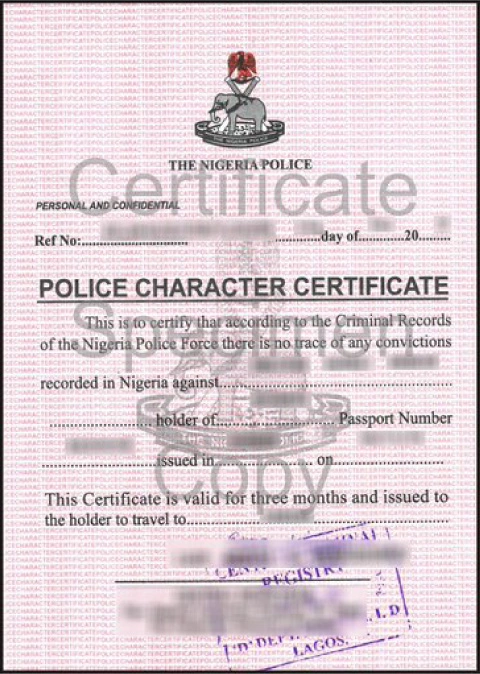
Obtaining a police clearance certificate in Nigeria is a crucial step for various purposes, including applying for jobs, traveling abroad, and ensuring civil security compliance. This certificate serves as proof of an individual’s criminal record status (or lack thereof) and is often a prerequisite for personal identification processes. Understanding the nuances of obtaining this document can save time and energy, and, in the Nigerian context, it can be quite a process given the bureaucracy involved.
Nigeria, with its diverse employment landscape and increasing demand for skilled labor, necessitates that job seekers, especially fresh graduates, manage their documentation proficiently. The police clearance certificate is not only essential for personal identification but is increasingly becoming a standard employment requirement. In this article, we will dissect everything you need to know about how to get a police clearance certificate in Nigeria, including the necessary requirements, step-by-step guide, costs involved, and tips to navigate the system effectively.
By the end of this guide, you will have a thorough understanding of the application process, thereby empowering you to tackle it with confidence. Whether you’re applying for a position at a government agency or a multinational company, knowing how to successfully secure this document can give you a competitive edge.
What You Need
To obtain a police clearance certificate in Nigeria, you must gather specific documents and meet certain requirements before applying. Here’s a detailed list:
- Age Requirement: Applicants must be at least 18 years old.
- Valid Identification: Ensure you have a government-issued ID, such as a National Identity Card (issued by NIMC), Driver’s License, International Passport, or Voter’s Card. The National Identity Management Commission (NIMC) can issue your ID if you do not have one.
- Application Form: You need to fill out an online application form. This can be done through the Police Specialized Services Automation Project (POSSAP) online portal (POSSAP portal).
- Biometric Data: Be prepared for biometric data collection, which is an essential part of the process.
- Payment Receipt: Proof of payment for the application fee is required. This payment is typically made via the platform provided after your application.
- Passport Photograph: Include recent passport-sized photographs (usually 2 or 3). Ensure they meet specific standards.
- Proof of Residence: You may need to provide documents that support your claim of residence, such as utility bills or any official document that states your address.
Step-by-Step Guide
Obtaining a police clearance certificate in Nigeria entails several steps. Below is a comprehensive guide to help you through the process.
Step 1: Prepare Required Documents
Before you start the application, ensure you have all the necessary documents ready. This includes your valid ID, passport photographs, and proof of residence. Laying out these documents ahead of time will save you from potential delays later in the process.
Step 2: Visit the POSSAP Portal
Go to the POSSAP portal and create an account or log in if you already have one. Fill in the application form with your personal details, including your name, date of birth, NIN (National Identification Number), and contact information.
Step 3: Make Payment
After completing the application form, you will receive an invoice. Payment for a police clearance certificate currently costs between N10,000 and N25,000 depending on the processing speed selected (standard or expedited). Payments can be made using bank transfers or online payment options available on the portal.
Step 4: Schedule Biometric Data Collection
Once your payment is confirmed, you will schedule an appointment for biometric data collection. This step often takes place at the nearest State Intelligence Bureau (SIB) office. The appointment can be chosen based on your convenience.
Step 5: Attend the Biometric Capture Appointment
Arrive on time at the designated SIB with the required documents, including your application form, ID, payment receipt, and passport photographs. Ensure you have both physical and digital copies if required. The authorities will capture your fingerprints and photograph at this stage.
Step 6: Await Processing
Post biometric capture, your application will undergo a verification process which might take about 2-6 weeks. Occasionally, additional checks may prolong this period. Make sure to check your email or contact the SIB for any updates.
Step 7: Collect Your Clearance Certificate
Finally, once the processing is complete, you can either pick up your police clearance certificate from the SIB office or have it sent to your registered email address. Always verify that all details on the certificate are accurate before leaving the office.
Costs and Fees
Here’s a breakdown of the costs involved in obtaining a police clearance certificate in Nigeria as of 2026:
| Item | Estimated Cost (Naira) |
|---|---|
| Application Fee | N10,000 – N25,000 (varies by processing speed) |
| Photocopies of ID | Approximately N100 – N500 (depending on the provider) |
| Passport Photos | N500 – N1,500 (for 2 or 3 photos) |
| Transport to SIB Office | N500 – N3,000 (varying by distance and mode of transport) |
In total, the complete process may cost between N12,600 and N30,000 depending on your specific circumstances and choices made.
Comparison
Here’s a comparison of different service providers in Nigeria for obtaining a police clearance certificate:
| Provider | Service Type | Processing Time | Approx. Cost (Naira) |
|---|---|---|---|
| POSSAP | Online Application | 2-4 weeks | N10,000 |
| Nigerian Police Force | In person application | 4-6 weeks | N25,000 |
| NGO Services | Assisted Application | 1-2 weeks | N15,000 |
Be sure to choose a provider that aligns with your needs for speed and convenience.
Common Mistakes to Avoid
Navigating the process of obtaining a police clearance certificate can be tricky. Here are some common mistakes Nigerians make and how to avoid them:
- Inadequate Documentation: Many applicants neglect to check that all required documents are in order. Always double-check this before your appointment.
- Incorrect Biometric Submission: Some applicants fail to ensure that their fingerprinting is done correctly. It’s vital to follow all instructions during the biometric process to avoid redoing this part.
- Missing the Appointment: Not showing up on the scheduled day can lead to delays. It’s advisable to set a reminder.
- Payment Errors: Ensure your payment is confirmed before proceeding to biometric capture. Some individuals skip this step and face issues with processing.
- Inaccurate Personal Information: Verify that all information on your application form is correct. Errors can delay processing significantly.
Tips and Insider Knowledge
Navigating the police clearance certificate application in Nigeria can be made easier with some insider tips:
- Early Application: Start the process early. Applications can take longer than expected, especially if additional checks are needed.
- Be Polite and Prepared: At the SIB office, maintain a respectful demeanor and be patient with officers. Having all documents organized can expedite the process.
- Ask Questions: Don’t hesitate to ask the officials any questions you may have. It’s better to clarify before proceeding rather than making mistakes.
- Utilize Family Help: If you’re unable to go in person, designate a trusted family member or friend to help you with the process. Ensure they have all your documents.
- Check Certificate Validity: Confirm what validity the certificate holds for your intended purpose. Most employers will require a recent certificate, typically within the last 3 months.
Frequently Asked Questions
1. What is a police clearance certificate used for in Nigeria?
A police clearance certificate verifies that an individual has no criminal record and is often required for job applications, visa processing, and civil engagements in Nigeria and abroad.
2. How long does it take to get a police clearance certificate?
The processing time typically ranges from 2 to 6 weeks, depending on the method of application and any additional verifications required.
3. Can I apply for the police clearance certificate on behalf of someone else?
Yes, you can apply on behalf of someone else, but you need to provide their valid ID and all necessary documents, along with a letter of authorization from them.
4. Is there an expedited service for the police clearance certificate?
Yes, some services may offer expedited processing for an additional fee, allowing you to receive your certificate in a shorter timeframe.
5. Where can I check the status of my application?
You can check the status of your application via the POSSAP portal or by directly visiting the SIB office where you submitted your biometrics for updates.
Conclusion
Obtaining a police clearance certificate in Nigeria may seem daunting, but with the proper knowledge and preparation, you can navigate the process smoothly. Ensure you gather all required documents, follow the step-by-step guide, and adhere to the outlined tips to avoid common pitfalls. With the right approach, you will ensure that this critical documentation facilitates your personal and professional opportunities rather than hinder them.
