
Introduction
Dealing with a blocked drain can be one of the most frustrating experiences for any homeowner in Nigeria. It’s a common issue that arises from accumulated debris—be it hair, food particles, or even grease. These blockages can lead to foul odors, slow drainage, and even overflowing water, which disrupts daily life and inconveniences families. In Nigeria, where plumbing standards may not always be reliable, knowing how to unclog a blocked drain at home is not just handy; it often becomes a necessity.
This comprehensive guide aims to equip you with actionable techniques and insider tips to effectively tackle clogged drains using commonly available household materials. Whether you’re a seasoned DIY enthusiast or a novice looking to upskill, this article will provide you with a detailed understanding of methods that work in the local context. In 2026, techniques may evolve, but the fundamental strategies remain effective for Nigerians.
By the end of this guide, you’ll learn various methods to clear a blocked drain, understand different tools you might need, and know the practical steps to follow. You’ll also find valuable tips on costs associated with drain repairs in Nigeria and probable mistakes to avoid. Let’s dive into the details so you can tackle this issue confidently.
What You Need
Before diving into the practical steps to unclog a blocked drain, it’s essential to understand what tools and materials you’ll require. Here is a detailed list:
- Plunger: A basic yet powerful tool required for most blockages.
- Baking Soda: Approximately N500 for a standard pack, it acts as a cleaning agent.
- Vinegar: About N800 for a bottle; it reacts with baking soda to help dissolve clogs.
- Hot Water: Easily accessible, boiling it will help in softening grease and debris.
- Sewer Snake: This tool sells for around N2,500; useful for deeper clogs.
- Rubber Gloves: Protects your hands while dealing with mess; roughly N300.
- Bucket: For gathering water if needed; about N1,200.
- Hanger or Wire: An old metal hanger can be repurposed to clear hair clogs.
These items are generally available at local markets and supermarkets throughout Nigeria. With these tools ready, you’re well on your way to solving that pesky blockage.
Step-by-Step Guide
Now that you have gathered the necessary tools and materials, let’s walk through the detailed steps on how to unclog a blocked drain at home in Nigeria.
Step 1: Assess the Blockage
Before doing anything, take a moment to evaluate the type of blockage you’re facing. Is it a complete blockage where water doesn’t drain at all? Or is it just slow drainage? Understanding this will guide your approach.
Step 2: Use the Plunger
Get your plunger and ensure it’s forming a tight seal around the drain. Gently push down and pull back vigorously. Repeat this action for about 10–15 seconds. If the water starts to drain, you’ve successfully cleared the blockage.
Step 3: Baking Soda and Vinegar Treatment
If the plunger doesn’t work, pour about one cup of baking soda down the drain, followed by one cup of vinegar. This combination creates a fizzing reaction that can break down grime. Let it sit for 30 minutes before flushing with hot water. This method is particularly effective against organic matter.
Step 4: Boiling Water Flush
Boil two liters of water. Carefully pour hot water down the drain in stages to see if it dislodges the blockage. This is especially helpful for grease build-up.
Step 5: Wire Hanger Method
For clogs caused by hair, straighten a wire hanger, leaving a small hook at one end. Insert the hooked end into the drain to pull out hair and debris. Be gentle to avoid damaging the pipe.
Step 6: Use a Sewer Snake
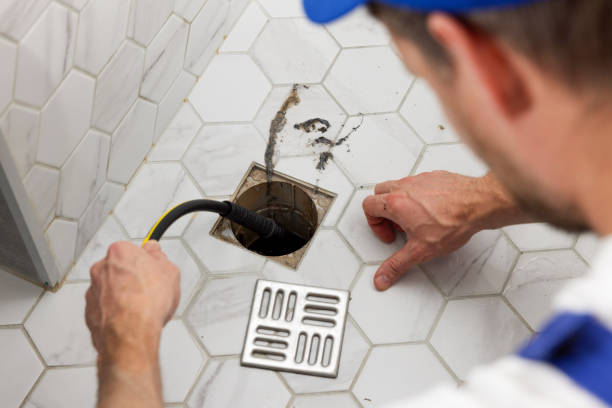
If the blockage is still present, grab a sewer snake. Insert it into the drain until you encounter resistance, which indicates the blockage. Twist and pull it to grab the clog and remove it. This tool is especially useful for deep-seated blockages.
Step 7: Last Resort – Chemical Drain Openers
If all else fails, consider using a chemical drain opener, available for approximately N1,500 at local stores. Ensure you follow the instructions carefully, as misuse can damage your pipes. Always wear gloves and have adequate ventilation when using chemicals.
Costs and Fees
Understanding how much each of these strategies will cost is crucial for planning. Here’s a breakdown of the costs:
| Item | Approximate Cost (Naira) |
|---|---|
| Plunger | 1,500 |
| Baking Soda | 500 |
| Vinegar | 800 |
| Hot Water | 0 (depends on your heating costs) |
| Sewer Snake | 2,500 |
| Rubber Gloves | 300 |
| Bucket | 1,200 |
| Chemical Drain Opener | 1,500 |
Overall, if you choose DIY methods, your total costs can range from about N2,500 to N5,000 for materials, depending on what tools you need to purchase. Hiring a plumber can cost significantly more, oftentimes starting at N10,000 and upwards.
Comparison
To help you decide the best method to unclog your drain, here’s a comparison of commonly used methods:
| Method | Effectiveness | Time | Cost | Complexity |
|---|---|---|---|---|
| Plunger | High | 10-20 minutes | N1,500 | Easy |
| Baking Soda & Vinegar | Moderate | 40-50 minutes | N1,300 | Easy |
| Hot Water | Moderate to High | 5-10 minutes | 0 | Very Easy |
| Wire Hanger | High | 15-30 minutes | 0 (using an old hanger) | Easy to Moderate |
| Sewer Snake | High | 30-60 minutes | N2,500 | Moderate |
| Chemical Drain Opener | High | 10-30 minutes | N1,500 | Moderate (safety precautions needed) |
Common Mistakes to Avoid
When attempting to unclog a blocked drain, many Nigerians fall into certain traps that can worsen the situation. Here are some culprits to watch out for:
- Using Too Much Force: Overusing a plunger or snake can damage your pipes, leading to costly repairs.
- Ignoring Safety Precautions: Always wear gloves and eye protection, especially if using chemicals.
- Mixing Chemicals: Some may combine different drain cleaners thinking it will be more effective, which can create dangerous reactions.
- Neglecting Preventative Measures: Regular maintenance—like periodic cleaning—could prevent serious blockages.
- Not Understanding the Problem: Instead of rushing to fix it, assess the type of blockage for a more tailored approach.
Tips and Insider Knowledge
To further enhance your success rate in dealing with blocked drains, consider these insider tips that may not be commonly known:
- Regular Maintenance: Pouring a mix of baking soda and vinegar down your drains once a month can prevent future clogs.
- Catch it Before it Clags: Installing drain covers in your sinks can help prevent hair and food debris from going down the drain.
- Popular House Hold Ingredients: A little salt can enhance the effectiveness of baking soda.
- Temperature Control: Always use hot—not boiling—water when dealing with grease clogs to avoid damaging pipes.
- Seek Professional Help When Necessary: If you’ve tried multiple methods without success, don’t hesitate to contact a professional plumber.
Frequently Asked Questions
Q1: How often should I clean my drains to prevent blockages?
A: It is advisable to perform preventative cleaning at least once a month using a mixture of baking soda and vinegar.
Q2: Can I use my plunger on any type of drain?
A: Yes, plungers can be used on most sinks, toilets, and shower drains, but ensure the seal is tight.
Q3: What should I do if my drain still clogged after multiple attempts?
A: If the blockage persists after using several methods, consider hiring a professional plumber.
Q4: Are chemical drain cleaners safe for all plumbing types?
A: While effective, some chemical cleaners can cause damage to older pipes. Always read labels and follow safety instructions.
Q5: Is it expensive to hire a plumber in Nigeria?
A: Costs can vary based on the severity of the blockage, but you can expect to pay from N10,000 upwards for a service.
Conclusion
Dealing with a blocked drain at home can be a hassle, but with the right approach and tools, it can be managed effectively without incurring high costs. By following the detailed steps outlined in this guide, you will not only unclog the drain but also gain valuable skills that can save you time and money in the future. Remember to practice regular drain maintenance to prevent future clogs and protect your home’s plumbing system.
