
Introduction
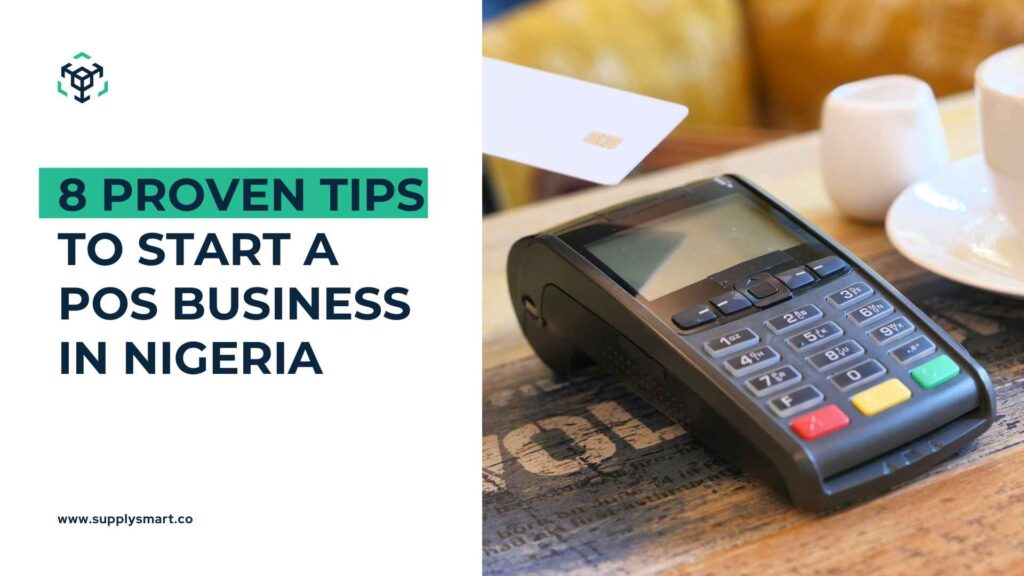
In recent years, Nigeria has witnessed an impressive surge in financial technology (fintech) services, with Point of Sale (POS) businesses leading the charge. For many Nigerians, starting a POS business is not just a means to earn extra income; it’s a viable business model that meets the growing demand for cashless transactions nationwide. With data from the Central Bank of Nigeria (CBN), cashless transactions saw a 300% increase from 2018 to 2022, indicating a significant shift in consumer behavior. The demand for POS terminals has skyrocketed as businesses, from small vendors to larger enterprises, increasingly adopt this payment method.
This comprehensive guide will walk you through the various aspects of launching a POS business in Nigeria. Whether you’re looking to open a small kiosk or wanting to connect with retail giants, this guide covers everything from requirements and costs to insider tips that can give you a competitive advantage. Additionally, with the digital landscape transforming continuously, understanding the nuances of starting a POS business in 2026 will ensure you stay ahead of the curve.
You will learn about necessary documents, how to choose the right POS provider, common pitfalls, and how to strategically position your business in the ever-evolving Nigerian market. Let’s delve into how you can embark on this lucrative venture and capitalize on the financial technology wave sweeping the nation.
What You Need
Before you can begin your journey into the POS business, it’s essential to gather all the necessary requirements. This will not only streamline the process but also help you understand the framework within which your business will operate. Below are the critical components you need:
- Business Registration: Registering your business with the Corporate Affairs Commission (CAC) is essential. This will provide you with a Certificate of Incorporation and an official business name. The registration typically costs between N20,000 and N50,000, depending on the nature and size of your business.
- NIN (National Identification Number): By law, every Nigerian who engages in transactions above a specified amount must have a NIN. You can obtain it by registering at designated offices or online. The process is free but can take time.
- Bank Account: You will need an operational business bank account to handle your transactions seamlessly. Banks like GTBank, Access Bank, and Zenith Bank offer attractive business account packages. Initial deposits range from N5,000 to N30,000 depending on the bank.
- POS Terminal: The costs for acquiring a POS terminal can range from N25,000 to N150,000 based on the brand and features. Providers like Moniepoint and Opay offer affordable models with favorable terms.
- Business Location: A strategic location is crucial for financial transactions. Ensure your location is frequented by potential customers or businesses. Rent can vary significantly, from N10,000 monthly in less congested areas to N300,000 in high-traffic commercial zones.
- Power Supply: Since POS systems rely heavily on electronic networks, you may need a reliable power source. Consider the cost of a generator or solar system, running anywhere from N50,000 for affordable options.
Step-by-Step Guide
Step 1: Research and Develop a Business Plan
The first and most crucial step is to thoroughly research the market. Understanding competitors in your chosen area can spell the difference between success and failure. Develop a solid business plan that outlines your target audience, services offered (like bill payments, money transfers, etc.), and marketing strategies. The planning process may cost around N10,000 to N20,000 if you choose to engage a consultant.
Step 2: Obtain Necessary Licenses and Documentation
Prior to commencing operations, ensure you obtain all relevant licenses and documentation. Apart from business registration, this may include permits from local authorities depending on your location. This stage may take approximately one to three months and can cost about N5,000 depending on local authority charges.
Step 3: Choose a POS Terminal Provider
Selecting the right POS provider can determine the level of service you can offer. Companies like Moniepoint, Paystack, and First Bank provide POS terminals with various features and pricing plans. Moniepoint is known for its user-friendly interface—with low transaction fees and robust customer support. Understand the costs associated with each terminal, which can go from N25,000 to N150,000 depending on features like offline capabilities or customer analytics.
Step 4: Set Up Your Business Location
Finding the right location is essential for attracting potential clients. If renting a storefront, ensure it has sufficient foot traffic. Consider areas near markets, schools, or business hubs for maximum visibility. Costs associated with setting up your workspace can vary; budget around N10,000 to N50,000 for basic furnishings and equipment required for your POS station.
Step 5: Register with Financial Networks
Integration with financial networks is crucial for the operation of your POS service. This registration facilitates transactions with banks and financial service providers. While most POS providers will assist with this, confirm you are aware of any charges involved, which could run between N2,000 and N4,000.
Step 6: Marketing and Promotion
Now that your business is set up, it’s time to market your services. Utilize social media platforms like WhatsApp, Instagram, and Facebook to promote your POS services. Offline methods include distributing flyers, attending local fairs, and networking with nearby business centers. A basic marketing plan may cost around N10,000 to N30,000.
Step 7: Launch and Operate Your Business
Finally, it’s time to kickstart your operations. Offer exceptional customer service to build a loyal clientele. As your business grows, consider offering additional services such as mobile money transfers, airtime sales, or microloans to attract more customers and diversify your income streams.
Costs and Fees
Here’s a breakdown of the potential costs involved in starting a POS business in Nigeria:
| Item | Estimated Cost (Naira) |
|---|---|
| Business Registration (CAC) | 20,000 – 50,000 |
| NIN Registration | Free |
| Business Bank Account (Initial Deposit) | 5,000 – 30,000 |
| POS Terminal | 25,000 – 150,000 |
| Location Setup (Rent, Utilities, Furniture) | 10,000 – 300,000 |
| Licenses and Permits | 5,000 – 20,000 |
| Marketing and Promotion | 10,000 – 30,000 |
Comparison
Understanding the options available can help you make informed decisions. Here’s a comparative overview of some popular POS providers in Nigeria:
| Provider | Terminal Cost (Naira) | Transaction Fee (%) | Support Type |
|---|---|---|---|
| Moniepoint | 25,000 – 100,000 | 0.5% – 1% | 24/7 Support |
| Paystack | 40,000 | 1.5% | Email & Phone |
| Opay | 30,000 – 70,000 | 1% – 1.5% | Chat Support |
Common Mistakes to Avoid
Starting a POS business comes with its own set of challenges. Here are some common pitfalls that aspiring entrepreneurs often encounter:
- Underestimating Startup Costs: Many people fail to budget accurately, leading to financial strain in the initial stages. Always add a buffer to your budget for unforeseen expenses.
- Location Choice: Setting up in a low-traffic area can significantly hamper your business growth. Always conduct thorough location research before committing.
- Neglecting Customer Service: POS businesses thrive on customer trust and reliability. Ensure that you serve customers promptly and are ready to resolve any complaints.
- Inadequate Knowledge of Financial Services: It’s vital to understand how the financial services you offer work. This knowledge helps you better assist customers and build their trust.
- Ignoring Marketing: Some entrepreneurs assume customers will find them due to their business offering. Actively promote your services to reach your target audience better.
Tips and Insider Knowledge
To give you a competitive edge, here are some insider tips for running a successful POS business:
- Leverage Referral Programs: Some POS providers offer referral bonuses; always leverage these opportunities to maximize your income.
- Stay Updated on Market Trends: Follow fintech news and trends to adjust your services based on consumer behavior.
- Join Business Networks: Connecting with other business owners can offer insights and help with collaborations.
- Expand Services: Offering services like cash withdrawal, bill payment, and even mobile money will enhance customer retention.
Frequently Asked Questions
Q1: How profitable is a POS business in Nigeria?
The profitability of a POS business largely depends on your location, operational efficiency, and variety of services offered. On average, a well-run POS outlet could earn between N50,000 to N200,000 monthly.
Q2: What is the typical transaction fee for POS services?
Transaction fees can vary by provider but typically range from 0.5% to 1.5% per transaction, depending on the service and agreement made with the provider.
Q3: How long does it take to set up a POS business?
Setting up a POS business can take anywhere from two weeks to three months, depending on how quickly you can gather necessary documents, set up your location, and integrate with financial networks.
Q4: What should I do if my POS terminal malfunctions?
Ensure you have customer support details handy for your POS provider. Many providers offer 24/7 support. Keep a backup plan available, like a mobile money solution, to continue serving customers.
Q5: Can I run my POS business from home?
Yes, you can run a POS business from home, especially if your neighborhood lacks POS services. Ensure to comply with local regulations concerning small business operations.
Conclusion
Starting a POS business in Nigeria is a lucrative venture that requires careful planning, understanding the market, and providing excellent customer service. By following the steps outlined in this guide and applying the insider tips, you can successfully navigate the challenges and pitfalls of this booming sector. The digital transformation is here to stay, and positioning yourself as a reliable provider will surely yield dividends in the growing cashless economy. With perseverance and dedication, your POS business can thrive and contribute positively to Nigeria’s evolving financial landscape.
