
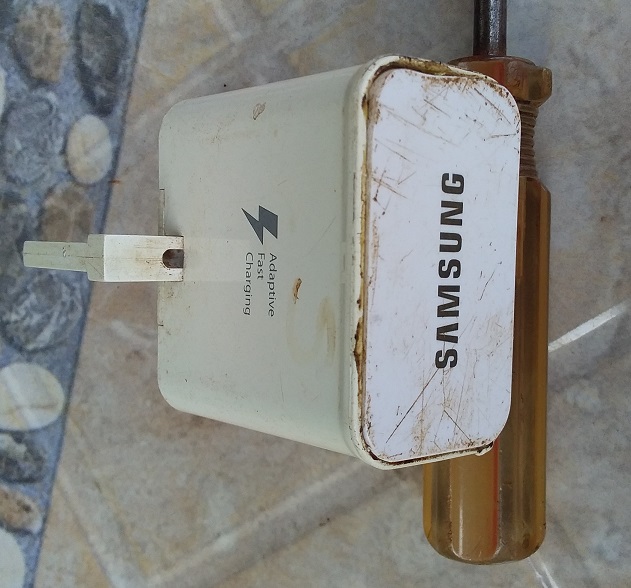
How to Repair a Phone Charger at Home in Nigeria
Have you ever found yourself in a situation where your phone charger suddenly stopped working? If you’re in Nigeria, this scenario is all too common. A malfunctioning charger can be very frustrating, especially when you rely heavily on your phone for communication, work, and keeping in touch with loved ones. Fortunately, with the right techniques and some basic tools, you can learn how to repair a phone charger at home in Nigeria. In this guide, we will walk you through the necessary steps, tools, and tips to get your charger back in action.
What You Need
Before we dive into the repair process, let’s gather all the necessary materials and tools you will need:
- Damaged Charger: This could be a USB cable or charging brick that is not working.
- Screwdriver: Depending on the type of charger, you may need a small Phillips or flathead screwdriver.
- Soldering Iron and Solder: For cases where the cable needs to be reconnected, a soldering iron and solder will be necessary.
- Electrical Tape: For insulating the repaired sections of the charger.
- Multimeter: Optional but useful for testing electrical continuity.
Step by Step Guide
Now, let’s go through the steps to repair your charger:
- Inspect the Charger: Examine both the cable and the brick. Look for visible damage, fraying, or burn marks. Most issues are typically found in the cable.
- Test with Another Device: If possible, try charging a different device with the charger to determine if the issue lies with the charger or your phone itself.
- Disconnect and Open: If the charger seems damaged, unplug it and open the casing carefully using the screwdriver. Most charging bricks have small screws on the sides.
- Check Internal Connections: Inside the charger, check the connections. Often, wires might be loose or disconnected. Use your multimeter to check continuity between the connections if you have one.
- Repair the Cable (If Applicable): If the cable is damaged, consider the following approach:
- Strip the Wires: At the point of damage, cut away the outer insulation carefully, exposing the inner wires.
- Twist and Solder: If the wires are frayed or disconnected, twist them together and solder for a solid connection. Let them cool down.
- Insulate: Wrap the soldered section with electrical tape to prevent any accidental short circuits.
- Reassemble the Charger: Carefully put the charger back together, ensuring all pieces fit snugly and raising no tension on the cables.
- Test the Charger: Plug your charger back into a power source and try charging your device again. Make sure it indicates charging.
Costs and Fees
The cost of repairing your phone charger can vary based on the tools you already have and the extent of the damage:
- Soldering Iron: Approximately ₦2,000 – ₦5,000.
- Electrical Tape: Around ₦200 – ₦500.
- Multimeter: If you don’t have one, expect to pay between ₦1,500 – ₦3,500.
If the charger is beyond repair, new USB cables start around ₦1,000, while high-quality brands can cost up to ₦3,000 or more.
Tips and Common Mistakes to Avoid
While repairs can be straightforward, there are common pitfalls to watch out for:
- Don’t Force Connections: If a wire won’t connect, examine it closely but avoid forcing it to avoid further damage.
- Test Before Use: Always ensure that your charger works correctly after repairing but before using it extensively.
- Use the Right Tools: Using the wrong tools can damage the charger. Invest in the right equipment for a proper repair.
- Safety First: Always disconnect the charger from the wall before making any repairs to avoid electrical shocks.
Frequently Asked Questions
Here are some common questions and their answers regarding charger repairs:
1. Can I use any cable to replace my damaged one?
Not all cables are compatible with all devices. Always look for cables that match your device’s specifications.
2. What if my charger gets burnt?
If your charger has burnt, it may not be repairable. A burnt charger usually indicates a short circuit, and it’s best to replace it.
3. Are there special methods to prevent my chargers from getting damaged?
Yes! Use cable organizers, avoid bending cables excessively, and store chargers properly when not in use.
4. Can regular electrical tape be used instead of electrical insulation tape?
Regular electrical tape is not recommended as it may not withstand high temperatures and could lead to further issues.
5. How do I know if the problem is with my charger or with my phone?
Try using another charger on your phone. If it works, then the issue lies with your charger. If it doesn’t, there may be an issue with your phone.
Conclusion
Repairing a phone charger at home in Nigeria is quite feasible, saving you money and time. By following the steps outlined in this guide and being cautious, you can effectively troubleshoot and mend various issues with your charger. Remember to handle tools carefully and test your repairs thoroughly before regular use. With a bit of practice and patience, you can ensure your charger remains functional while minimizing waste and maximizing savings.
