
Introduction
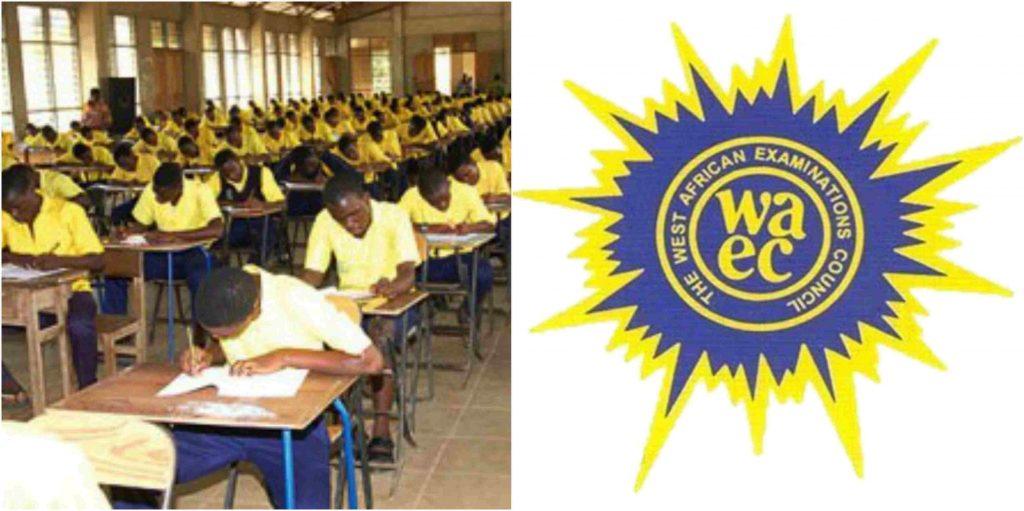
The West African Senior School Certificate Examination (WASSCE) is one of the pivotal examinations in Nigeria, often regarded as a rite of passage for thousands of students each year. As we approach the 2026 examination cycle, it’s imperative to have a solid strategy not just to sit for the exams but to excel in them. Whether you are a school candidate or a private candidate, this guide will equip you with the knowledge and strategies to pass WAEC exams in Nigeria 2026.
Success in the WAEC exams can open numerous doors, including furthering education, securing jobs, or gaining admission into higher institutions. Understanding the structure of the exam, the subjects offered, and effective study strategies will significantly influence your performance. Throughout this guide, we will walk you through everything you need to know to ensure a fruitful examination experience.
From registration procedures to common pitfalls that students encounter, this comprehensive guide provides real statistics, insider tips, and much more. Additionally, understanding key resources and tools will help you better prepare for the hybrid examination format introduced by WAEC, ensuring you are not just ready – but confident and well-equipped for success.
What You Need
Before you even think about tackling the WAEC exams, it’s crucial to gather all the necessary materials and fulfill specific requirements. Here’s what you’ll need:
- Registration: Make sure you register with WAEC. Registration typically commences in January, and the deadline for registration is usually within two months. The registration fee usually ranges from N30,000 to N50,000 depending on your school or private tutorial center.
- Documents: You will need the following documents to register and sit for the exams:
- Birth Certificate or Age Declaration
- Passport Photographs (usually 6)
- School ID card, if applicable
- WAEC Syllabus: Download and study the WAEC syllabus for the subjects you are sitting for. This will guide your studies and ensure you remain focused on the essential topics.
- Study Materials: Acquire past question papers, recommended textbooks, and access online resources. These materials are critical for effective revision and can cost between N5,000 and N15,000 depending on where you purchase them.
- Access to a Computer: Since the 2026 exams will include a hybrid format, having access to a computer for practice with Computer-Based Test (CBT) software is essential.
- Study Group or Private Tutor: Consider surrounding yourself with motivated peers or hiring a private tutor to help clarify difficult topics.
Step-by-Step Guide
Here’s how to systematically prepare for and ultimately pass the WAEC exams:
Step 1: Understand the Exam Format
The WAEC exams comprise both practical and theoretical papers, with multiple-choice questions and standardized essays. Review the WAEC 2026 timetable for specific subjects and their respective codes.
- For example, Foods and Nutrition 3 (Practical) is scheduled for April 21, 2026, under code SC7023.
Step 2: Register for the Examination
Ensure to adhere to the WAEC registration deadlines. For the 2026 examinations, expect to register between January and March 2026. Verify the registration fee with your school or center; local rates may vary significantly.
Step 3: Gather Study Materials
Collecting the right textbooks and past question papers is crucial. You can purchase these from local bookstores or online at various prices ranging from N5,000 to N20,000.
- Recommended Textbooks: Consult with teachers or senior students about the most effective books for your subjects.
Step 4: Create a Study Schedule
Draft a study timetable that incorporates all subjects, allocated days for revision, and breaks to enhance retention. Your study guide should encompass at least 1–2 months of thorough revision before the exams commence.
Step 5: Practice with Past Questions
Solve past WAEC questions to familiarize yourself with the format and question types. You can find these questions in bookstores or download them online. Aim for solving a minimum of two past papers weekly.
Step 6: Join Study Groups
Engaging with peers can bolster your understanding. Discussing challenging subjects and quizzing each other can prove very beneficial. Aim to meet regularly, ideally at least once a week.
Step 7: Prepare for Hybrid Exams
Practice the hybrid format by using CBT software that simulates the WAEC exam environment. This ensures you are comfortable with using computers and reduces the likelihood of technical issues on exam day.
Costs and Fees
Here’s a breakdown of the potential costs associated with sitting for the WAEC exams in Nigeria in 2026:
| Item | Estimated Cost (Naira) |
|---|---|
| Registration Fee | N30,000 – N50,000 |
| Study Materials (books, past papers) | N5,000 – N20,000 |
| Private Tutor (if needed) | N15,000 – N30,000/month |
| CBT Practice Software | N3,000 – N10,000 |
| Transport to Exam Center | N1,000 – N5,000 |
Comparison
When selecting study resources or preparation methods, consider these options:
| Study Option | Pros | Cons | Estimated Cost (Naira) |
|---|---|---|---|
| Self-Study with Books | Cost-effective, flexible | May lack guidance | N5,000 – N20,000 |
| Private Tutoring | Personalized guidance | More expensive | N15,000 – N30,000/month |
| Online Courses / CBT | Interactive learning | Requires internet access | N3,000 – N10,000 |
| Group Study | Shared knowledge | Scheduling conflicts | Free or minimal cost (share costs) |
Common Mistakes to Avoid
Avoiding common pitfalls can be the key to your exam success. Here are some of the most frequently encountered mistakes by Nigerian students:
- Procrastination: Many students delay their studying until it’s too late. Start early to give yourself ample time to cover all subjects.
- Ignoring the Exam Format: Students often fail to understand whether they are sitting for theory or practicals. Familiarize yourself with the syllabus and exam structure to avoid surprises.
- Neglecting Physical and Emotional Well-Being: Sleep and nutrition are critical. Cramming without rest can significantly impair memory retention.
- Not Using Available Resources: Some students hesitate to seek help or use online resources. Don’t shy away from asking teachers or peers for assistance.
- Failing to Review: Regular revision is key to retention. Many students revise once and forget crucial information. Strengthen your knowledge through consistent review sessions.
Tips and Insider Knowledge
Here are actionable tips and deeper insights that can give you an edge in preparing for the WAEC exams:
- Start Early: Don’t wait until three months before the exam. Begin your preparations as soon as your school year starts.
- Use Flashcards: Create flashcards for difficult concepts and quiz yourself regularly. This method enhances recall and builds confidence.
- Past Questions Strategy: Prioritize questions that repeat often in past years. Familiarity with frequently asked questions can drastically improve your performance.
- Mock Exams: Simulate exam conditions by taking mock exams. This practice will help you manage your time effectively during the actual exam.
- Network with Seniors: Speak with students who have successfully passed WAEC in previous years. They can provide invaluable advice and resources.
Frequently Asked Questions
1. What are the subjects I can write for WAEC in 2026?
Students can register for any subjects relevant to their intended academic pathways. Common subjects include Mathematics, English Language, Literature, Biology, Chemistry, Physics, and more. The complete list is available in the WAEC syllabus.
2. How can I get access to my WAEC results?
WAEC results can be accessed online through the official WAEC result-checking portal. You may also receive a printed copy from your school, or you can access it using your examination number and the designated scratch card.
3. What should I do if I miss my WAEC exams?
Should you miss the WAEC exams, you must wait for the next examination cycle. Private candidates can register for the next series, while school candidates may have to join in the following year.
4. Can I retake the WAEC exams?
Yes, candidates can retake the WAEC exams as many times as necessary to achieve their desired grades. However, ensure you follow the re-registration procedure.
5. How do I prepare for the practical aspects of the WAEC exams?
Engage in hands-on practice during your classes. Utilize school resources, and if required, consult with professionals or attend workshops to improve your skill set in practical subjects.
Conclusion
Passing the WAEC exams in Nigeria 2026 requires not just determination but also a structured and informed approach. By preparing thoroughly, utilizing resources wisely, and staying committed to your study plan, you can enhance your chances of success. Approach this crucial examination with the seriousness it deserves, and your efforts will surely pay off.
