
“`html
Introduction
Have you ever heard that persistent drip-drip sound of a leaking tap? It’s not merely an annoying noise; it symbolizes wasted water, increased utility bills, and potential water damage to your home. For many Nigerians, fixing a leaking tap is a common household challenge that can often be resolved with a little know-how and a few basic tools. This guide aims to equip you with essential knowledge and step-by-step instructions to fix a leaking tap effectively.
Nigeria, rich in its diverse cultures and living conditions, often faces challenges with plumbing. Many homes, both urban and rural, are affected by leaks caused by aging fixtures and infrastructural inadequacies. Understanding how to address these issues not only helps reduce waste but also fosters a sense of ownership of one’s living environment. Through this guide, you will learn about the required tools, the process involved, and insider tips that can save you time and money.
By the end of this article, you will confidently know how to fix a leaking tap at home in Nigeria, making your living space more efficient and comfortable. We will delve deep into the details, ensuring that your DIY endeavor is not only successful but also rewarding.
What You Need
Before embarking on your journey to fix that leaking tap, it’s crucial to gather all necessary materials and tools. This preparation will ensure a smooth and efficient process. Below is a comprehensive list of what you’ll need:
- Tools:
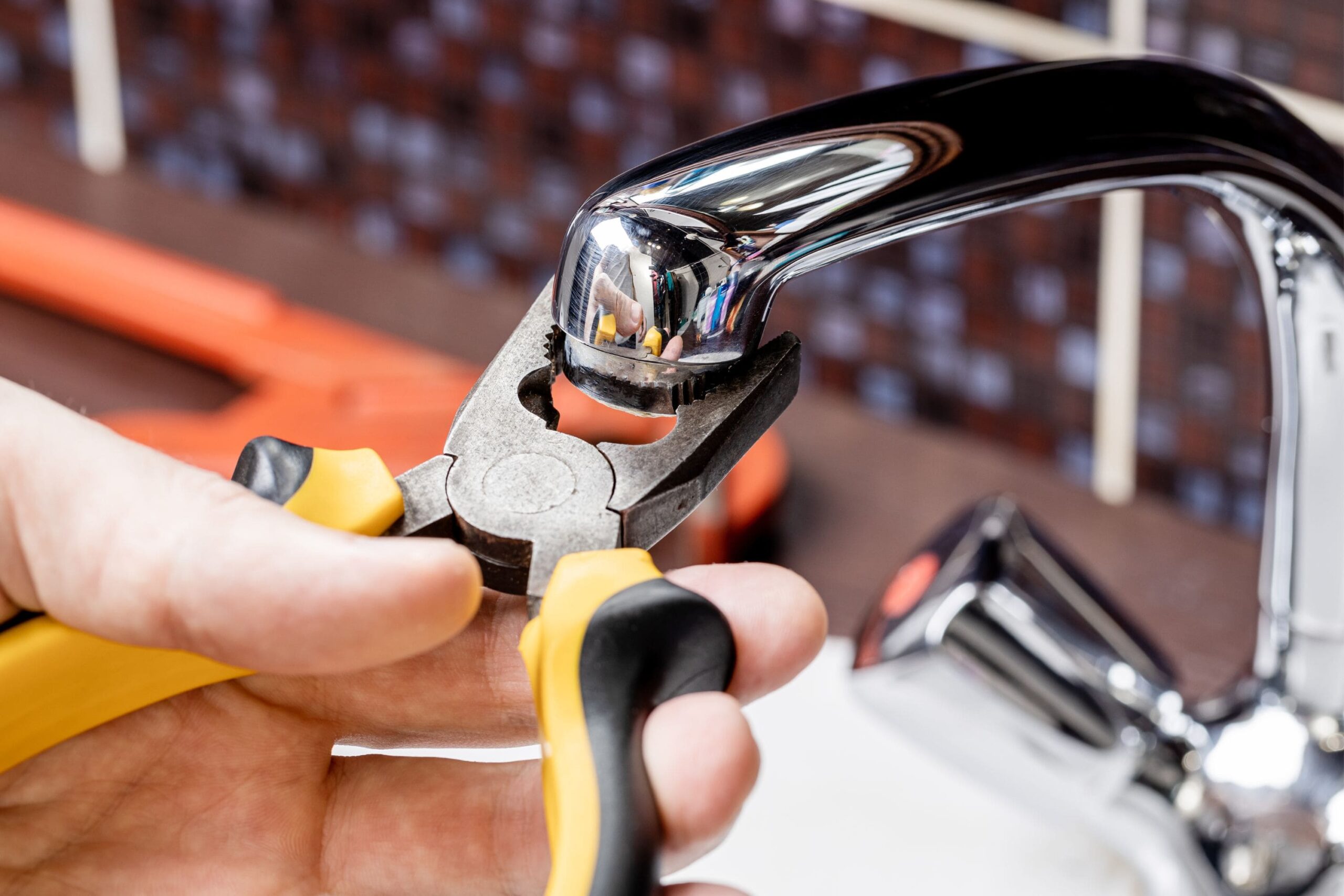
- A wrench or adjustable pliers
- Screwdriver (flat and Phillips head)
- Tape measure
- Utility knife
- Basin wrench (if needed for tight spaces)
- Materials:
- Replacement washers (usually 12mm for most taps)
- O-rings (if applicable)
- Plumber’s grease
- Teflon tape (for threaded connections)
- Pail or bucket (to catch water)
- Documents:
- None required, but keeping a notebook for notes can be handy.
- Fees:
- The total cost of materials can range between N1,000 and N5,000, depending on the quality and brand.
Step-by-Step Guide
Below is a detailed, eight-step guide to help you tackle your leaking tap issue, ensuring you understand each phase of the process.
Step 1: Turn Off the Water Supply
Before starting any work, it’s essential to turn off the water supply to the tap. You can usually do this by locating the shut-off valve under the sink. Turn the valve clockwise until it stops. If you can’t find the valve, turn off the main water supply to your home.
Step 2: Drain Remaining Water
Open the tap to drain any remaining water left in the pipes. This step helps avoid spills and makes working easier. Keep a pail or bucket handy to catch any residual water.
Step 3: Remove the Tap Handle
Using a screwdriver, remove the screws holding the tap handle in place. You may need to pry off decorative caps to access the screws. Once unscrewed, gently pull the handle upward to detach it.
Step 4: Take Out the Mixer Valve or Cartridge (if applicable)
If you have a cartridge-style faucet, locate the retaining nut and use your wrench to loosen it. Carefully withdraw the cartridge or mixer valve from the faucet. For compression faucets, you will find a large nut involving the washer seat to be accessed.
Step 5: Inspect and Replace Washers/O-rings
After removing the valve or cartridge, take out the washer or O-ring and examine it for wear, tear, or damage. If it appears worn out, replace it with a new one of the same size. Typically, 12mm washers are used in many Nigerian taps.
Step 6: Reassemble the Faucet
Once you have replaced the washer or O-ring, apply plumber’s grease to the new component. Re-insert the cartridge or mixer valve and tighten the retaining nut carefully, ensuring not to overtighten, which may cause damage.
Step 7: Reattach the Handle
Position the handle back on the faucet and secure it with screws. Don’t forget to replace any decorative caps you might have removed. Be sure everything is reassembled correctly before proceeding to the next step.
Step 8: Turn On the Water Supply and Check for Leaks
Gradually turn on the water supply by rotating the valve counterclockwise. Open the tap and allow it to run for a moment to check for leaks. If water does not drip or flow from the joints, congratulations! You’ve successfully fixed the leak.
Costs and Fees
Understanding the financial aspect of this repair is crucial for planning and execution. Below is a breakdown of potential costs involved in fixing a leaking tap in Nigeria in 2026:
| Item | Cost (Naira) |
|---|---|
| Washers (pack of 5) | N500 – N1,000 |
| O-rings (pack of 10) | N500 – N1,500 |
| Plumber’s grease | N300 – N800 |
| Teflon tape | N200 – N500 |
| Total Estimated Cost | N1,500 – N5,800 |
Comparison
When it comes to selecting your replacement parts, you might notice different brands available. Here’s a comparison of various brands available in Nigerian markets:
| Brand | Type | Price Range (Naira) | Availability |
|---|---|---|---|
| Joyce | Washers | N500 – N1,000 | Widely Available |
| PlumbSure | O-rings | N300 – N800 | Available Online and Retail Stores |
| Sam’s Plumbing | Plumber’s grease | N700 – N1,200 | Local Hardware Stores |
Common Mistakes to Avoid
Even with a systematic approach, it’s easy to make mistakes when fixing taps. Here are some common pitfalls to avoid:
- Not Turning Off Water Supply: One of the most common mistakes is failing to shut off the water supply before starting the repair, resulting in water chaos.
- Using Incorrect Replacement Parts: Always ensure that the replacement washers or O-rings are the right size. Using the wrong size may lead to recurring leaks.
- Over-tightening Components: It can be tempting to tighten everything excessively. However, over-tightening screw components can cause damage, leading to more leaks.
Tips and Insider Knowledge
With a little experience and knowledge, you can avoid many of the common issues associated with plumbing repairs. Here are some insider tips:
- Always keep a toolbox at home with all necessary tools to handle unexpected repairs swiftly.
- Purchase a few extra washers in different sizes. They are inexpensive and may save you from repeat trips to the store.
- If the leak persists after changing the washer or O-ring, consider replacing the entire tap, as further issues may exist that require a professional touch.
Frequently Asked Questions
- How often should I check my taps for leaks?
- Can I use any type of washer for my tap?
- What if my tap is still leaking after replacement?
- How do I know if my tap is too old to repair?
- Is it better to hire a plumber or do it myself?
It’s wise to periodically check your taps every few months, especially if you’ve noticed any dripping or water stains around the sink area.
No, taps have specific washer sizes and types. Always match the replacement part to the original specifications.
If the leak continues post-repair, the problem may lie deeper within the plumbing system. An inspection by a professional plumber would be advisable.
Typically, if the tap shows signs of corrosion, excessive wear, or if parts are not available, it may be time to invest in a new one.
If you’re comfortable with basic plumbing, DIY repairs can save money. However, for complicated issues, hiring a professional is recommended to avoid further damage.
Conclusion
Fixing a leaking tap at home in Nigeria can be a gratifying DIY project, saving you money while contributing to a more sustainable household. By following the steps and utilizing the tips in this guide, you are well-equipped to handle this common household problem. With a bit of practice, your confidence in making similar repairs will only grow. Happy fixing!
“`
