
Introduction
Opening a bank account in Nigeria can be a straightforward process, but it often comes with its own unique set of challenges. In 2026, with ongoing advancements in financial inclusion and technology, more Nigerians are inclined to explore the banking options available to them, particularly with reputable institutions like Guaranty Trust Bank (GTBank). This article serves as a comprehensive guide to help you understand **how to open a GTBank account in Nigeria 2026**, detailing every necessary step while ensuring you are well-informed of the required documentation, costs, and insider tips that will facilitate a smooth process.
Banks in Nigeria are evolving rapidly, and GTBank stands out with its user-friendly services tailored to meet the diverse needs of its customers. Whether you want a savings, current, or domiciliary account for foreign currency transactions, GTBank has you covered. Understanding how to navigate through these options is essential, especially as digital advancements make banking more accessible than ever before.
By the end of this guide, you will have a detailed roadmap to help you open a GTBank account successfully. This guide covers everything from what you need to get started, a step-by-step process, breakdown of costs, common mistakes to avoid, and insider tips that could save you time and money.
What You Need
Before diving into the account opening process, it’s critical to prepare all the necessary requirements. Here is what you will generally need to open a GTBank account in Nigeria:
- Identification Documents: A valid means of identification is crucial. This can include:
- A National Identity Card (issued by NIMC)
- A valid international passport
- A driver’s license
- Proof of Address: This can be your recent utility bill (electricity, water), a bank statement, or any official documents showing your address.
- Passport Photographs: Usually, two recent passport-sized photographs are required.
- Bank Verification Number (BVN): It’s mandatory to provide your BVN, which is a unique identifier linked to your bank accounts.
- Completed Account Opening Form: You can get this form at GTBank branches or download it online.
- Initial Deposit: Depending on the type of account you are opening (savings or current), you may need to make an initial deposit which ranges between N1,000 and N5,000.
It’s advisable to check the specific requirements on GTBank’s official website or contact their customer service for any updates or additional requirements specific to your situation.
Step-by-Step Guide
Now that you have a clear understanding of what you need, let’s discuss the detailed steps to open your GTBank account.
1. Choose the Right Type of Account
Before proceeding, decide whether you want a savings account, current account, or domiciliary account. Each account serves different needs:
- Savings Account: Designed for individuals looking to save while earning interest.
- Current Account: Suitable for businesses or individuals who perform high transaction volumes.
- Domiciliary Account: Ideal for those who wish to deal in foreign currency.
2. Gather Required Documents
Ensure you have the required documents mentioned above. Verify that all identification documents are valid and not expired. Confirm your BVN is active and correctly linked to an existing bank account if you have one.
3. Visit a GTBank Branch or Apply Online
While you can visit a GTBank branch to open an account in person, you may also have the option to apply online through the GTBank website. If you choose to visit a branch:
- Locate a nearby GTBank branch using their website or mobile app.
- Head to the banking hall and ask for the account opening team.
- Inquire if you need to fill out additional forms or provide further information.
If applying online:
- Navigate to the account opening section on the GTBank website.
- Fill out the online form and upload the required documents in PDF format.
- Submit the form and await a confirmation email.
4. Fill Out the Account Opening Form
Whether online or in person, take your time to fill out the form accurately. Double-check for any errors, especially in personal information like your phone number or email address. Any mistakes may delay the process.
5. Make Your Initial Deposit
You will need to make an initial deposit to activate your account. Visit the bank counter to deposit cash or transfer funds digitally through USSD codes if you have a GTBank account already:
- For cash: Hand over the cash to the teller.
- For transfer: Use **\*737\#** to quickly transfer funds from your current GTBank account.
The initial deposit varies from account to account and is generally between N1,000 and N5,000.
6. Verification and Account Activation
After your application and deposit, the bank will process your request. This can take anywhere from a few hours to a few days. Be sure to ask for your account number and bank staff will inform you when your account is set up.
During this waiting period, ensure that you’ve provided correct phone numbers as this is where SMS alerts and updates will be sent.
7. Receive Your ATM Card and Set Up Online Banking
Once your account is activated, you will be issued an ATM card:
- Follow the instructions provided by the bank for card activation.
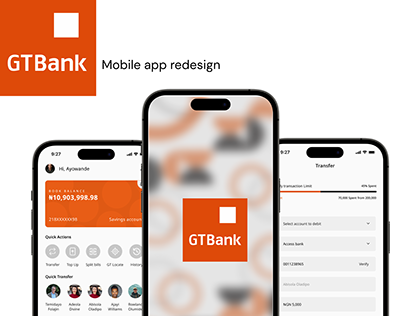
- Download the GTBank mobile app from your device’s app store.
- Set up your online banking by following the app instructions, which will include creating a secure password.
This step allows you to access various services from the convenience of your home.
Costs and Fees
Understanding the costs involved in opening and maintaining an account is essential for all customers. Here is a detailed breakdown of the costs associated with a GTBank account in Nigeria as of 2026:
| **Account Type** | **Initial Deposit** | **Monthly Maintenance Fee** | **ATM Withdrawal Fee** | **Transfer Fee (Intra-Bank)** | **Transfer Fee (Inter-Bank)** |
|————————–|———————|—————————–|————————|——————————-|——————————-|
| GTBank Savings Account | N1,000 – N10,000 | N150 | N100 | N25 | N50 |
| GTBank Current Account | N5,000 | N500 | N200 | N50 | N100 |
| GTBank Domiciliary Account | $10 | N600 (approx.) | $1 (≈ N500) | N2,000 | N4,000 |
*Note: The fees above are indicative and may vary with promotions or specific customer agreements. Always confirm with GTBank for the latest rates.*
Comparison
For prospective bank customers considering GTBank, here’s how it compares with some other prominent Nigerian banks:
| Bank | Initial Deposit | Maintenance Fee | ATM Withdrawal Fee | Transfer Fee |
|---|---|---|---|---|
| GTBank | N1,000 – N5,000 | N150 – N500 | N100 – N200 | N25 – N100 |
| Access Bank | N1,000 | N200 | N150 | N50 |
| Zenith Bank | N2,000 | N200 | N100 | N50 |
| Kuda Bank | N0 | N0 | N0 | Free for intra-bank transfers |
This comparison gives you a clearer view of how GTBank stacks up against others in terms of costs and services.
Common Mistakes to Avoid
When opening a bank account in Nigeria, especially with GTBank, there are several pitfalls you should be aware of to streamline your application:
- Incomplete Documentation: One of the most common mistakes is failing to provide all required documents. Ensure you carry all identification, proofs of address, and photographs.
- Incorrect BVN: Providing the wrong BVN is an easy oversight but can lead to delays. Make sure your BVN is linked to the account being opened.
- Neglecting Maintenance Fees: Be aware of monthly maintenance fees; ensure your balance meets these to avoid account closure.
- Ignoring Terms and Conditions: Always read the account terms and conditions. Ignoring this can lead to unexpected fees or contractual obligations.
- Not Following Up: If you apply online, always follow up with the bank to confirm your application status, especially if you haven’t received feedback within a week.
Tips and Insider Knowledge
To navigate the banking system in Nigeria more effectively, here are some insider tips that many may overlook:
- Utilize USSD Codes: For quick transactions, learn the USSD codes for your bank (e.g., *737# for GTBank) which allow for easy fund transfers and balance checks without needing to visit the bank.
- Bank on Weekdays: If you are visiting a branch, aim for mid-week visits (Tuesday or Wednesday), as Mondays and Fridays tend to be busier.
- Monitor Promotions: Keep an eye on GTBank’s promotional offers, such as reduced initial deposits or waivers on maintenance fees for certain account types.
- Engage with Customer Service: Building a relationship with bank representatives can provide you with insights into better services or benefits that may not be widely advertised.
- Understand Your Statements: Take time to familiarize yourself with your bank statements, as they offer valuable information about your spending habits and any potential discrepancies.
Frequently Asked Questions
1. What is the minimum amount required to open a GTBank account?
The minimum amount varies by account type. For a savings account, it is usually between N1,000 and N10,000, while a current account typically requires N5,000.
2. How long does it take to open a GTBank account?
If you have all your documents in order, you can walk out with an open account the same day. Online applications may take a few days for confirmation.
3. Can I open a GTBank account without a BVN?
No, having a BVN is mandatory for opening a bank account in Nigeria. It serves as a means of identity verification.
4. Is there an ATM card issued when opening an account?
Yes, an ATM card is usually issued upon account activation, provided you request it during the application process.
5. How can I perform transactions if I don’t want to use the bank branch?
GTBank offers multiple digital banking options through their mobile app and internet banking, as well as USSD codes for transactions.
Conclusion
Opening a GTBank account in Nigeria in 2026 is a process that can be navigated smoothly if equipped with the right information. By understanding the requirements, costs, and potential pitfalls, you can ensure that your experience is both efficient and satisfying. Utilize this guide as your blueprint, and enjoy the benefits of banking with one of Nigeria’s most trusted financial institutions. Whether you’re saving for the future or conducting daily transactions, GTBank provides robust solutions tailored for Nigerians.
