
Introduction
Are you tired of that incessant dripping sound haunting your kitchen or bathroom? A leaking tap can be more than just an annoyance; it can significantly increase your water bills and lead to more severe plumbing issues down the line. In Nigeria, where water scarcity is a serious concern, every drop counts. Learning how to fix a leaking tap at home not only helps you save money but also conserves precious water resources.
This comprehensive guide will walk you through the process of identifying, troubleshooting, and fixing a leaking tap effectively, tailored specifically to Nigerian contexts. You will learn about the tools required, common mistakes to avoid, and insider tips that will turn you into a home repair maestro. Whether you’re a complete novice or have some experience, this guide is crafted with every Nigerian homeowner in mind.
By the end of this article, you will feel confident in your ability to tackle this DIY project, saving you both time and money while ensuring a more sustainable approach to your home repairs.
What You Need
Fixing a leaking tap requires a few essential tools and materials. Below is a comprehensive list that will help you prepare for your repair.
- Tools:
- Adjustable wrench
- Screwdriver (both flathead and Phillips)
- Utility knife
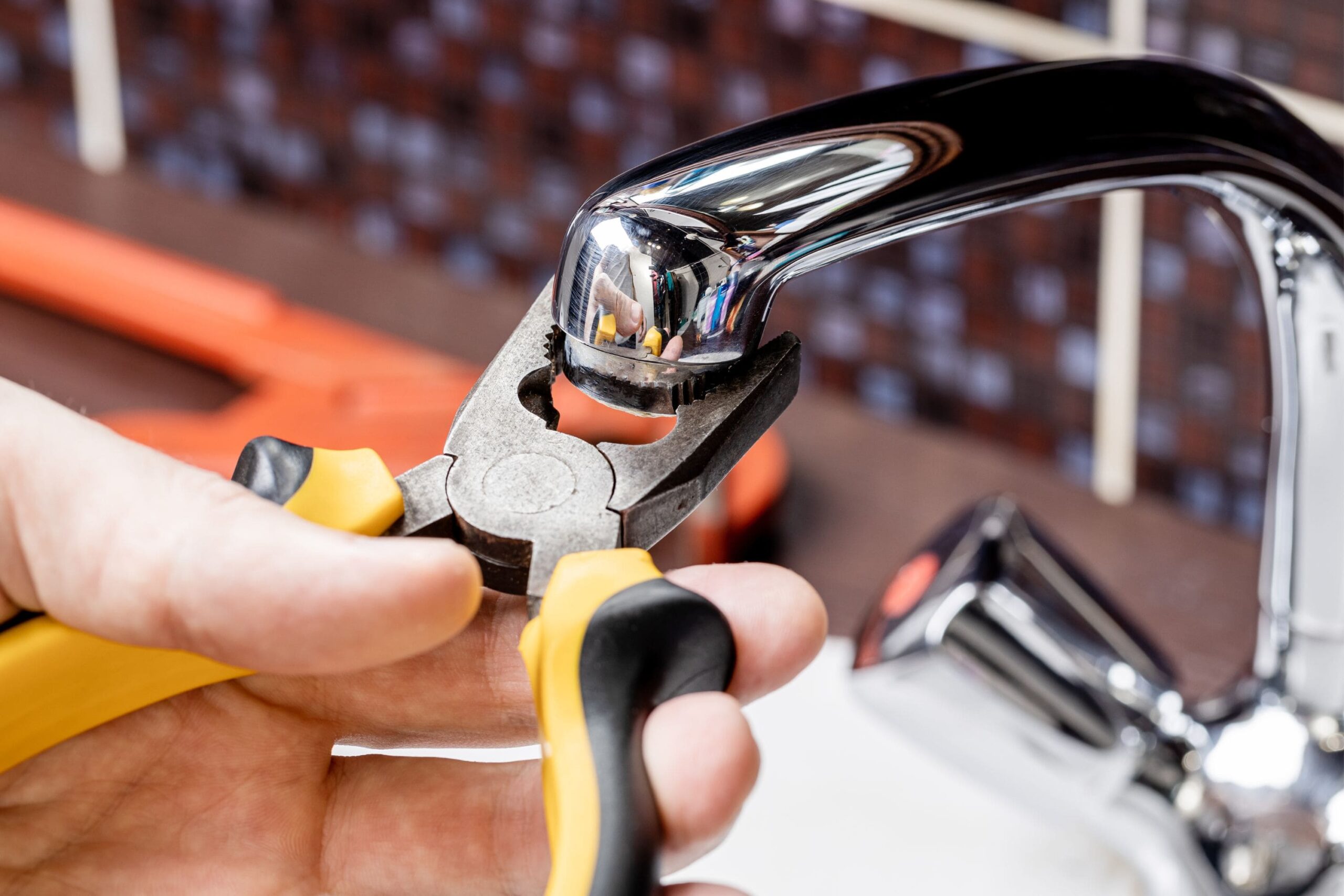
- Pliers
- Funnel (optional for easy drainage)
- Materials:
- Replacement washers (usually 12mm or 14mm, depending on your tap model)
- O-rings
- Plumber’s tape (Teflon tape)
- Silicone sealant (optional for added sealing)
- A bucket or bowl (to catch any water during the repair)
- Documents: No specific documents are needed for this task.
- Fees: The total cost for materials usually ranges between N2,000 and N5,000, depending on your local market prices.
Step-by-Step Guide
Follow these comprehensive steps to effectively fix a leaking tap at home.
Step 1: Turn Off the Water Supply
Before you start, turn off the water supply to the tap you’re fixing. This is usually done by locating the water valve under the sink.
- Locate the valve and turn it clockwise to close it.
- Open the tap to drain any remaining water and relieve pressure.
Step 2: Gather Your Tools and Materials
Prepare your workspace with all the necessary tools and materials. Having everything at hand will streamline the repair process.
Step 3: Remove the Handles
Using a screwdriver, carefully remove the handles of the tap.
- Look for screws on the handle. They might be hidden under decorative caps.
- Once the screws are removed, gently pull off the handles.
Step 4: Unscrew the Nut
Use the adjustable wrench to unscrew the packing nut, which secures the tap parts together.
- Be cautious to avoid damaging the pipes. Apply even pressure.
- Remove the packing nut and set it aside.
Step 5: Replace the Washer
The washer is the most common culprit for leaking taps.
- Remove the old washer from the washer seat.
- Measure it to ensure you get the correct replacement size.
- Install the new washer by aligning it properly on the seat.
Step 6: Reassemble the Tap
Now that the washer is replaced, it’s time to put everything back together.
- Carefully reinsert the packing nut and tighten it with your adjustable wrench.
- Replace the handles and secure them with screws.
Step 7: Test for Leaks
After reassembling, it’s crucial to test your work to ensure the leak is fixed.
- Turn the water supply back on by rotating the valve counterclockwise.
- Open the tap and observe if there are any leaks.
- If all is well, congratulations! If it’s still leaking, you may need to check if the washer is properly seated or if you need a new cartridge.
Costs and Fees
Here is a breakdown of potential costs you may incur while fixing a leaking tap:
| Item | Estimated Cost (₦) |
|---|---|
| Replacement Washers | ₦1,500 – ₦3,000 |
| O-rings | ₦500 – ₦1,000 |
| Plumber’s Tape | ₦500 |
| Emergency Fund for Professional Help | ₦10,000 and above (if DIY fails) |
| Total Estimated DIY Cost | ₦2,000 – ₦5,000 |
Comparison
Here’s a comparison of different types of taps commonly found in Nigerian homes and their typical repair expenses:
| Tap Type | Common Issues | Estimated Repair Cost (₦) |
|---|---|---|
| Compression Tap | Worn washers | ₦2,000 – ₦5,000 |
| Ball Tap | Worn seals | ₦3,000 – ₦6,000 |
| Cartridge Tap | Worn cartridges | ₦4,000 – ₦8,000 |
| Disc Tap | Internal leaks | ₦5,000 – ₦10,000 |
Common Mistakes to Avoid
When fixing a leaking tap, there are several common pitfalls to be wary of:
- Not turning off the water supply: Always turn off the water to avoid a messy situation.
- Choosing the wrong washer size: Measure your old washer before buying a new one to get the correct fit.
- Over-tightening parts: This can lead to cracks or breaks, which might worsen the leak.
- Ignoring the type of tap: Different taps require different types of seals or replacements. Ensure you identify correctly.
- Skipping the test: Always test the tap post-repair to confirm the fix was successful.
Tips and Insider Knowledge
Here are some valuable tips that are often overlooked:
- Using plumber’s tape: Always apply plumber’s tape on threads to prevent future leaks.
- Consider the weather: Rainy seasons can affect tap functionality; inspect regularly during this period.
- Check for corrosion: Old pipes and fittings can corrode, causing leaks. Invest in replacing them if needed.
- Utilize local hardware stores: Always purchase replacement parts from trusted local stores like Adeniyi Hardware Stores in Lagos. Prices and quality can vary greatly.
- Join local DIY groups: Engage with community groups on platforms like Facebook. This can provide troubleshooting advice and recommendations on where to find the best tools and materials at affordable prices.
Frequently Asked Questions
Here are some of the most commonly asked questions regarding leaking taps and their fixes:
1. How can I tell if my tap is leaking?
You can usually tell if a tap is leaking if you notice water pooling around the base or hear continuous dripping sounds when the tap is turned off.
2. Can I fix a leaking tap without calling a plumber?
Yes, many leaking taps can be fixed with simple tools and some DIY knowledge. This guide provides you with all the necessary steps.
3. What types of washers are available in Nigeria?
The most common types of washers are rubber washers and ceramic seals, both of which are generally available in local hardware stores.
4. What if I can’t stop the leak after replacing parts?
In such cases, it may be an issue with the tap’s internal mechanisms. Consider consulting a professional plumber if you’re unable to resolve it.
5. How often should I check my taps for leaks?
It’s a good practice to check your taps every 3-6 months, especially during the rainy season, to ensure they are functioning correctly and are leak-free.
Conclusion
Fixing a leaking tap at home is a rewarding DIY project that saves you money and promotes water conservation. With the right tools, materials, and guidance, you can successfully complete this task on your own. Remember to troubleshoot effectively, avoid common mistakes, and equip yourself with insider knowledge. Happy DIY-ing!
