
Introduction
In every Nigerian home, a leaking tap is not just a nuisance, but also a significant waste of water and a threat to the integrity of your plumbing system. With Nigeria’s challenges in maintaining a consistent water supply, a dripping tap can exacerbate the already concerning water scarcity. Fixing a leaking tap is a valuable skill that not only saves money on utility bills but also contributes to the collective effort in conserving water. In this comprehensive guide, you will learn how to fix a leaking tap at home in Nigeria.
By the end of this post, you will understand the tools you need, the step-by-step process for a successful repair, and insights that could save you unnecessary expenses. This guide is designed for everyone, from the novice DIY enthusiast to those with a little more experience. We’ll provide real figures in Naira (2026 prices) for materials and offer common mistakes to avoid, ensuring that your plumbing problem gets solved efficiently.
What You Need
Before proceeding with the repair, you need to gather some crucial materials and tools. Here’s a detailed list of everything you will require:
- Tools:
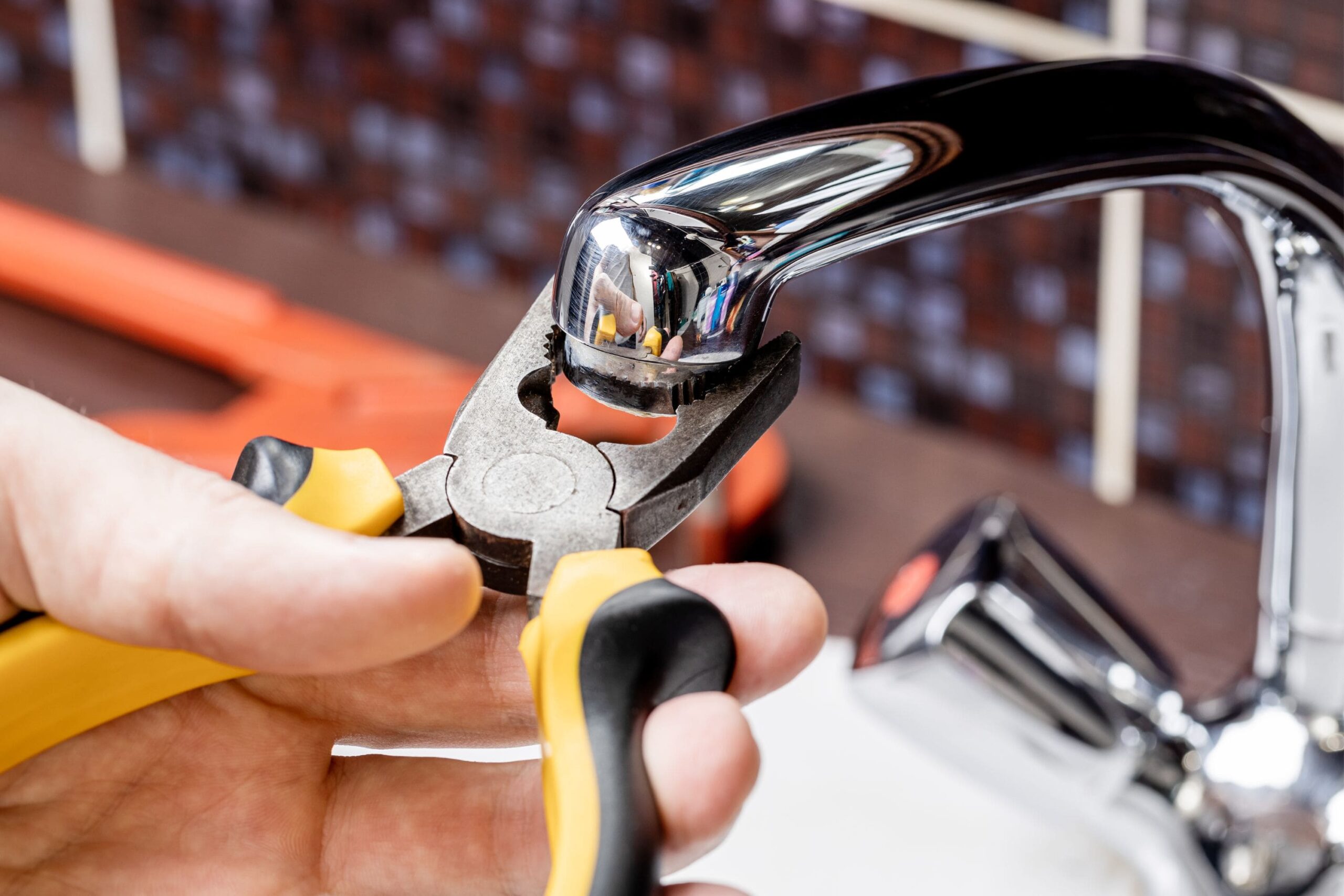
- A wrench or pliers (N1,500 – N3,000)
- Screwdriver (N1,000 – N2,000)
- Bucket or bowl to catch water (N500 – N1,500)
- Utility knife (N500 – N1,000)
- Materials:
- Replacement washers (12mm) – N300 for a pack
- O-rings (if necessary) – N200 for a pack
- Plumber’s tape – N150
- Sealant (optional) – N1,000
- Documentation:
- Receipt or warranty for the tap (if applicable)
Make sure your workspace is clear and adequate. If your tap is in the kitchen or bathroom, it’s a good idea to cover the sink hole with a cloth to avoid losing small parts down the drain.
Step-by-Step Guide
Now that you’re equipped with the necessary tools and materials, let’s walk through the steps to fix a leaking tap at home in Nigeria.
Step 1: Turn Off Water Supply
Before starting any repair work, ensure to turn off the water supply. Most residential units have a stopcock which can be found below the sink. If you can’t locate this, simply turn off the main water supply to your home.
Step 2: Open the Tap
Once the water supply is turned off, open the tap to release any remaining water in the pipes. This step is crucial as it prevents a mess during the repair process.
Step 3: Remove the Tap Handle
Use a screwdriver to remove the screws holding the handle in place. If your tap has decorative embellishments, you may need to remove these first to access the screws. Keep the screws safe, as you’ll need them later.
Step 4: Remove the Nut
After taking off the handle, you’ll see a nut securing the tap body. Using a wrench, carefully unscrew this nut. Take your time with this step to avoid damaging any components.
Step 5: Inspect the Washer
With the nut removed, pull apart the tap. Examine the washer (usually made of rubber). If it shows signs of wear or damage, it needs to be replaced. It’s advisable to carry the old washer to a plumbing supplies store to ensure you purchase the right size.
Step 6: Replace the Washer or O-Ring
If you need to replace the washer, remove it using a utility knife if it’s stuck. Fit a new washer into place. If your tap uses an O-ring, replace it the same way.
Step 7: Reassemble the Tap
Now, it’s time to put everything back in order. Start with the washer, followed by the nut, and finally reattach the handle. Make sure everything is tightly secured to prevent further leaks.
Costs and Fees
Here’s a breakdown of costs associated with fixing a leaking tap in Nigeria (2026 estimates):
| Item | Estimated Cost (Naira) |
|---|---|
| Wrench | 1,500 – 3,000 |
| Screwdriver | 1,000 – 2,000 |
| Bucket for water | 500 – 1,500 |
| Replacement Washers (12mm) | 300 |
| O-Rings (if needed) | 200 |
| Plumber’s Tape | 150 |
| Sealant (optional) | 1,000 |
Total estimated cost ranges from approximately N4,600 to N8,650 depending on the tools you already possess.
Comparison
While fixing a leaking tap yourself is the most cost-effective option, here’s a comparison of hiring a plumber versus DIY:
| Method | Estimated Cost (Naira) | Advantages | Disadvantages |
|---|---|---|---|
| DIY Repair | 4,600 – 8,650 | Cost-effective; teaches valuable skills | Time-consuming; risk of mistakes |
| Hiring a Plumber | 10,000 – 25,000 | Quick and efficient; guaranteed professional service | Higher cost; may take longer to schedule |
Common Mistakes to Avoid
As you embark on this repair, watch out for these common mistakes:
- Not turning off the water supply: This can create a flooding situation and make repairs more difficult.
- Using the wrong size washer: Always take the old washer with you to ensure you purchase the right size.
- Over-tightening screws or nuts: This can cause damage to your tap and result in additional leaks.
- Ignoring plumbing tape: Not using plumber’s tape can lead to leaks between connections.
- Skipping the inspection: Always check the internal components for wear and tear.
Tips and Insider Knowledge
Here are some insider tips that can make your repair process smoother:
- Use synthetic rubber washers: They last longer than traditional rubber ones and provide a better seal.
- Keep spare parts handy: Having extra washers and O-rings can simplify future repairs.
- Check for other leaks: While you’re at it, inspect neighboring fixtures for any signs of wear or leaks.
- Use a hairdryer: If a component is stuck, applying gentle heat can help loosen it.
- Consult online forums: Platforms like Nairaland can provide experiences and tips from others who have encountered similar issues.
Frequently Asked Questions
1. How long does it typically take to fix a leaking tap?
It can take anywhere from 30 minutes to an hour, depending on your experience and the complexity of the tap design.
2. Can a leaking tap lead to bigger plumbing issues?
Yes, if not fixed promptly, it can lead to corrosion and water damage, which may require extensive repairs.
3. What tools are essential for a DIY plumbing project?
Basic tools include screwdrivers, pliers, a wrench, and a bucket to catch excess water.
4. Is it better to hire a plumber or DIY?
It depends on your skill level and comfort. DIY is more cost-efficient, while hiring a plumber guarantees expertise, especially for complex tap designs.
5. What are common types of tap leaks?
Common leaks include dripping from the spout, leaking from the base, and water pooling under the sink.
Conclusion
Fixing a leaking tap at home in Nigeria doesn’t need to be a daunting task. By following this step-by-step guide, you can effectively repair your tap, save money on water bills, and contribute to water conservation efforts. With the right tools and a little patience, you can solve this common household issue without needing to call in a plumber. Now, go ahead and tackle that leak!
