
Introduction
Leaking taps are more than just an inconvenience; they can lead to water wastage, increased utility bills, and even potential water damage in your home. In Nigeria, this problem is quite prevalent, especially in urban areas where plumbing infrastructure can be inconsistent. Understanding how to fix a leaking tap at home is essential for all Nigerians, as it empowers you to address plumbing issues quickly and cost-effectively, without the need to call in a plumber.
In this guide, you’ll learn everything you need to know about fixing a leaking tap in Nigeria, including the tools required, step-by-step instructions, and a breakdown of costs. By the end of this article, you will be equipped with practical skills to tackle this issue head-on, ensuring your home’s plumbing is efficient and waste-free.
Whether you’re looking to save on utility bills or simply want to be more self-sufficient, knowing how to repair that annoying dripping tap can make a difference. This article is designed for all Nigerians, whether you’re a homeowner, a tenant, or just someone looking to learn a valuable DIY skill. Let’s dive into the essentials of fixing a leaking tap in Nigeria.
What You Need
Before embarking on the task of fixing a leaking tap, it’s crucial to gather all necessary materials and tools. Having everything on hand can save you trips back to the store, allowing for a smoother repair process.
Materials Needed:
- Replacement Washers: This costs between N200 and N500 depending on the type and quality.
- O-Rings: If necessary, these typically cost between N150 to N400 per piece.
- Faucet Grease: Useful for lubrication, costing around N300.
- Plumber’s Tape: For sealing threads, costs about N200.
Tools Needed:
- Adjustable Wrench: For loosening and tightening nuts, priced between N1,000 and N2,500.
- Screwdriver Set: A mix of flathead and Phillips screwdrivers, estimated at N1,000.
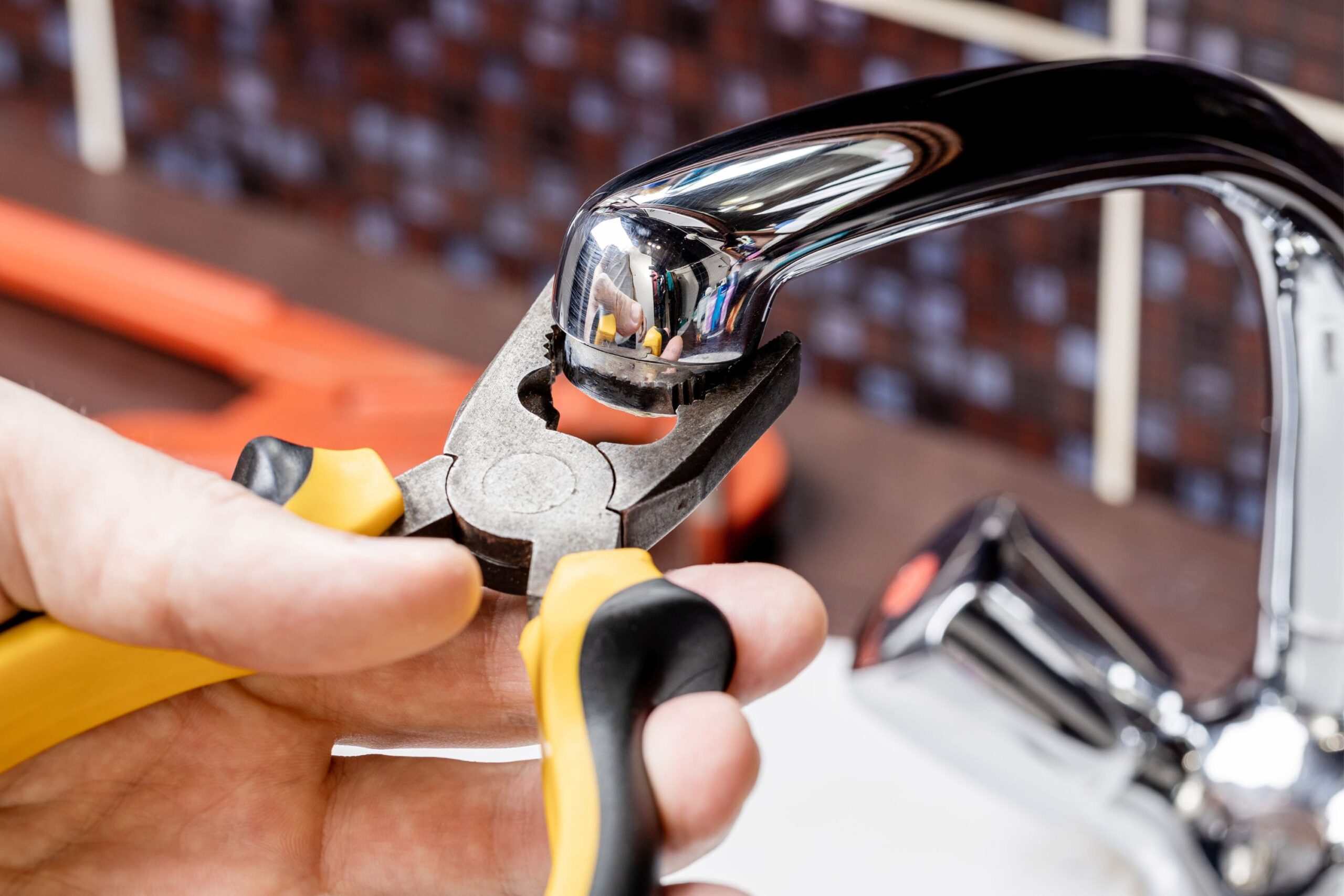
- Pliers: Essential for gripping and twisting, usually costs N800 to N1,800.
- Bucket: To catch any drips, can be sourced for around N800.
Prerequisites:
- Basic knowledge of how to turn off the water supply to the tap.
- Awareness of the specific type of tap you are fixing (compression, cartridge, ball, or disc).
- A clean working area to prevent slipping or losing small parts like screws and washers.
Step-by-Step Guide
Fixing a leaking tap requires careful, methodical work. Below is a detailed step-by-step guide to assist you in fixing your tap.
1. Turn Off the Water Supply
Before you begin, ensure the tap is turned off completely. Locate the main water supply valve for your house, usually found near the water meter or underground. Turn it clockwise to shut it off. If dealing with a single tap, you may find a dedicated shut-off valve under the sink.
2. Drain the Tap
After shutting off the water, open the tap to drain any residual water in the pipes. This helps prevent excess water from spilling onto your work area and makes the repair cleaner.
3. Remove the Tap Handle
Unscrew the handle of the tap to access the internal components. Depending on the design, you might need to pry off decorative caps to access the screws underneath. Use a flathead screwdriver to carefully remove any caps.
4. Unscrew the Nut
Once the handle is removed, you’ll see a retaining nut. Use the adjustable wrench to unscrew the nut, being careful not to damage the surrounding parts. This is a critical step as overtightening can lead to further issues.
5. Replace the Washer or O-Ring
At the base of the tap, you’ll find the rubber washer or an O-ring, depending on the type of tap. Remove the old washer and replace it with a new one. When selecting washers, ensure they match the size of the original—standard washers cost about N200 while O-rings range between N150 and N400.
6. Reassemble the Tap
After replacing the washer, reassemble the components in reverse order. First, screw back the retaining nut tightly but not excessively. Follow this by placing the handle back onto the tap and securing it in place. Remember to reattach any caps you removed previously.
7. Test the Tap
Once everything is back together, turn the water supply back on. Open the tap gently and check for leaks. If it’s still leaking, you may need to tighten components further or check if the right parts were used. It’s advisable to let the tap run for a few minutes to ensure a complete fix.
Costs and Fees
The costs associated with fixing a leaking tap can vary significantly based on the type of tap and the materials used. Here’s a detailed breakdown of potential costs involved:
| Item | Estimated Cost (Naira) |
|---|---|
| Adjustable Wrench | 1,000 – 2,500 |
| Screwdriver Set | 1,000 |
| Pliers | 800 – 1,800 |
| Washers (each) | 200 – 500 |
| O-Rings (each) | 150 – 400 |
| Faucet Grease | 300 |
| Plumber’s Tape | 200 |
| Bucket | 800 |
The total cost of the repair thus can range between N2,200 and about N7,800 depending on if you need to purchase new tools and specific parts.
Comparison
When fixing leaking taps in Nigeria, the type of tap matters. Below is a comparison of the different types of taps you may encounter and their respective common leakage issues:
| Tap Type | Common Issues | Cost to Fix |
|---|---|---|
| Compression Tap | Worn washer, leaking from handle | N200 – N500 for parts |
| Cartridge Tap | Damaged cartridge, leaks at the base | N1,000 – N3,000 |
| Ball Tap | Worn seals, dripping | N1,500 – N4,000 |
| Disc Tap | Faulty seals, leaks from spout | N2,000 – N5,000 |
This table highlights not only the type but also the cost implications related to fixing each kind of tap, ensuring you choose the right methods for your specific circumstances.
Common Mistakes to Avoid
When attempting to fix a leaking tap, it’s easy to make mistakes that could lead to further issues. Here are some common pitfalls and how to sidestep them:
- Ignoring the Type of Tap: Ensure you identify and understand the type of tap before starting, as each has its unique structure.
- Using Wrong Tools: Ensure that your tools match the fixtures. Using the wrong size of a wrench can strip nuts.
- Overtightening Parts: While it’s important to tighten components, overtightening can cause damage. Always check manufacturers’ recommendations.
- Neglecting to Turn Off Water Supply: Always turn off the water supply to prevent a mess while working.
- Not Testing the Tap After Repair: Failing to test the tap can lead to unresolved leaks. Always ensure all components are properly fitted before concluding.
Tips and Insider Knowledge
Having insider knowledge about tap repairs can make your DIY experience much smoother:
- Use a Bag for Small Parts: Use a zip-lock bag to keep screws and parts together during disassembly.
- Measure the Old Parts: When buying new washers or O-rings, measure the old ones to ensure a perfect fit.
- Use Vinegar for Stubborn Parts: If nuts are stuck, soaking them in vinegar can help dissolve mineral buildup.
- Know Where to Buy: Local shops like Jumia or local tools markets often have better prices than large chains.
- Learn from Others: Don’t hesitate to ask friends or family who have done similar repairs for tips or shared experiences.
Frequently Asked Questions
1. What causes a tap to leak?
A tap typically leaks due to worn washers, O-rings, or cartridges. Continuous use can degrade these components, leading to leaks at the faucet handle or spout.
2. Can I fix a leaking tap on my own?
Yes, many common tap leaks can be fixed at home using basic tools and materials, making it a straightforward DIY project.
3. How long does it take to repair a leaking tap?
Most leaking tap repairs can be completed in 30 minutes to one hour, depending on your experience and the severity of the leak.
4. Are there any preventative measures for tap leaks?
Regular maintenance and replacing washers every couple of years can prevent leaks, along with avoiding excessive force when turning taps on or off.
5. When should I call a plumber?
If you have multiple taps leaking, or if the issue seems to stem from the plumbing in your walls or beneath your sink, calling a qualified plumber is advisable.
Conclusion
Fixing a leaking tap is a practical skill that every Nigerian should have. With the right tools and knowledge, you can save money, conserve water, and be more self-reliant. The steps outlined in this guide will help you tackle tap repairs with confidence, ensuring your home plumbing remains functional and efficient.
