
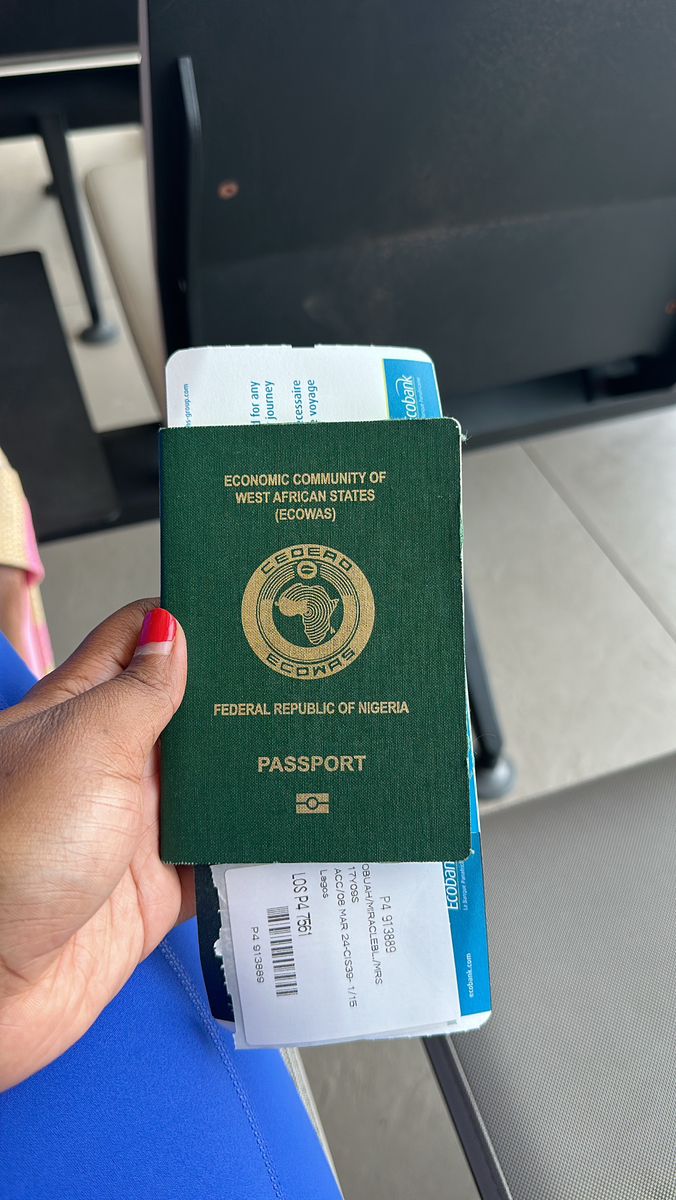
Introduction
Obtaining a Nigerian passport is a crucial step for every Nigerian citizen looking to travel abroad or explore opportunities in other countries. With Nigeria’s population exceeding 200 million, the demand for passports is rapidly increasing. As of 2026, the process has seen enhancements aimed at making it more accessible and efficient for applicants. In this comprehensive guide, we will walk you through how to get a Nigerian passport in 2026, detailing everything you need to know from requirements to common mistakes to avoid.
Whether you’re a first-time applicant or renewing an existing passport, understanding the correct procedures can save you time and effort. Navigating the complexities of government processes is not always straightforward, especially with various institutions involved, such as the Nigerian Immigration Service (NIS) and the National Identity Management Commission (NIMC). By following the steps outlined in this article, you’ll have a clear roadmap to successfully obtaining your Nigerian passport, transforming what may seem like a daunting task into a manageable one.
You’ll learn about the necessary documents, fees involved, important USSD codes for accessing banking services, and insider tips exclusive to locals. This information not only helps you prepare for your application but also enables you to avoid common pitfalls that many Nigerians face in this process.
What You Need
To successfully apply for a Nigerian passport in 2026, you’ll need to gather several documents and fulfill specific requirements. Here’s a detailed breakdown:
- Completed e-Passport Application Form: This form must be filled out online via the official NIS portal at passport.immigration.gov.ng.
- Birth Certificate or Age Declaration: You need either a National Population Commission (NPC) birth certificate or a signed declaration of age.
- Nigerian National Identity Number (NIN): This is mandatory and can be obtained from the NIMC offices across Nigeria.
- Two Passport Photographs: Recent passport-sized photos (not older than six months) are required, preferably with a white background.
- Payment Receipt: After completing the online application, you’ll be required to pay the necessary fees through the provided options, which include credit or debit cards, with detailed options visible on the application site.
- Proof of Occupation: This could be an employment letter or a self-employment registration document.
- For Minors: If applying for children under 18, parental consent is mandatory. You must also submit your ID and that of the child’s other parent.
Beyond these documents, certain prerequisites must also be met before you can start your application:
- You must be a Nigerian citizen by birth, descent, or registration.
- Your NIN must be linked to your application.
- Ensure that the application is done in person, especially for any initial engagement with NIS.
Step-by-Step Guide
Applying for a Nigerian passport involves several key steps. Below is a step-by-step guide that will help you through the process.
Step 1: Fill Out the e-Passport Application Form
Visit passport.immigration.gov.ng to begin your application. The form will ask for various personal details including your NIN, biometric data, and your intended passport type (standard or official).
Step 2: Collect Required Documents
Gather all necessary documents as previously listed. Ensure that your birth certificate, NIN, employment proof, and passport photographs meet the required specifications.
Step 3: Make the Payment
The cost for a Nigerian passport in 2026 is between N10,000 for a standard passport (32 pages) and N25,000 for the larger 64-page version. Please note that additional fees may apply for expedited services or lost passports. Payment can be made using various methods including bank transfers, mobile banking applications (such as GTBank’s *737# or Access Bank’s *901#), or directly through the NIS portal.
Step 4: Book an Appointment
Once your payment is confirmed, return to the NIS portal to book an appointment for biometrics at a nearby NIS office. This step is critical since it helps to schedule your visit and reduces wait times.
Step 5: Attend Biometric Appointment
On the appointment day, arrive early with all your documents. During the appointment, your biometric information, including fingerprints and a digital photo, will be captured. Be prepared to answer any verification questions.
Step 6: Submit Application
After biometrics, your application will be processed. Ensure that you ask for the processing timeline. Typically, it ranges from two weeks to six weeks depending on your location and the specifics of your application.
Step 7: Collect Your Passport
You will be notified via SMS when your passport is ready. Return to the NIS office for collection. Be sure to bring an identification document and proof of application.
Costs and Fees
Below is a detailed breakdown of all costs involved in obtaining a Nigerian passport in 2026:
- Standard Passport (32 pages): N10,000
- Official Passport (64 pages): N25,000
- Expedited Service Fee: N5,000 (Optional)
- Lost Passport Replacement Fee: N20,000
- Passport Photograph Services: N1,500 – N3,000 (varies by provider)
Be prepared for potential additional costs for transportation and any others you might incur during the process.
Comparison
Below is a comparison table of different passport options available through the Nigerian Immigration Service:
| Passport Type | Pages | Cost (Naira) | Processing Time |
|---|---|---|---|
| Standard Passport | 32 | 10,000 | 2-6 weeks |
| Official Passport | 64 | 25,000 | 2-6 weeks |
| Expedited Service | 32 or 64 | 5,000 additional | 1-2 weeks |
| Lost Passport Replacement | 32 or 64 | 20,000 | 2-6 weeks |
Common Mistakes to Avoid
Navigating the passport application process can be tricky. Here are common mistakes Nigerians often make, along with how to avoid them:
- Incomplete Documentation: Many applicants forget essential documents. Always double-check the requirements before your appointment.
- Incorrect NIN: Your National Identity Number must be accurate and verified. Ensure it matches your ID.
- Missing Appointment Dates: Failing to attend your scheduled appointment could mean starting the whole process again. Set reminders on your phone.
- Low-Quality Photographs: Make sure your photos meet the specifications outlined on the NIS website. Poor-quality photographs can lead to application rejection.
- Ignoring Notifications: Always keep track of communications from the NIS regarding your application status. Respond promptly if required.
Tips and Insider Knowledge
Here are some insider tips to help facilitate your application process:
- Pay Attention to Officials: Be polite and patient with NIS officials. A friendly demeanor can often result in better service.
- Visit Early in the Day: Peak hours can lead to long waiting times. Arriving early can help you avoid the crowd.
- Keep Digital Copies: Always save digital copies of your application and documents in case of loss.
- Connect with Others: Fellow applicants can provide valuable advice based on their experiences.
- Check for Updates: Before your appointment, verify if any policies or fees have changed on the NIS website.
Frequently Asked Questions
1. How long does it take to get a Nigerian passport in 2026?
Typically, it takes between 2 to 6 weeks, depending on processing and location. Using expedited services can reduce this time to 1-2 weeks.
2. Can I apply for a passport online?
Yes, the application form can be filled out online at the NIS portal. However, you must complete biometrics in person at a designated NIS office.
3. What do I do if I lose my passport?
If you lose your passport, you need to apply for a replacement. This involves filling out a new application, paying the N20,000 fee, and providing a police report of the loss.
4. Is the NIN mandatory for passport application?
Yes, as of 2026, your National Identity Number is mandatory for any passport application.
5. Can minors apply for a passport on their own?
No, minors (under 18 years) must have a parent or guardian apply on their behalf, presenting the required documents.
Conclusion
Applying for a Nigerian passport in 2026 doesn’t have to be a daunting process. By following the steps outlined in this guide and being mindful of the common pitfalls, you can navigate the application smoothly. Preparing in advance, understanding the requirements, and approaching the process with patience will lead to successful outcomes. The Nigerian passport opens up a world of opportunities—make sure you seize them!
