
Introduction
Dealing with a leaking tap can be quite a nuisance, especially in Nigeria where water scarcity is a pressing issue. The sound of dripping water not only distracts from the quiet of your home but can also lead to inflated water bills if left unchecked. More importantly, it can indicate underlying plumbing issues that might worsen over time. This guide will take you step-by-step through the process of fixing a leaking tap at home in Nigeria, providing a practical solution that saves both water and money.
The average Nigerian household spends around N17,000 monthly on water bills, according to the National Bureau of Statistics. A leaking tap can waste up to 20,000 liters of water annually, costing households even more. Hence, knowing how to fix a leaking tap is not only a useful skill but also an essential part of home maintenance that can lead to significant cost savings.
In this post, you’ll learn everything you need to know about fixing a leaking tap including the required tools, a detailed step-by-step guide, costs involved, common mistakes to avoid, and insider tips that can make the process easier. Whether you’re a DIY enthusiast or a novice, this comprehensive guide will equip you with the knowledge to tackle your tap issues effectively.
What You Need
Before beginning the repair process, it’s essential to gather all necessary materials and tools. Here’s a comprehensive list:
Tools Needed
- Flat-head screwdriver
- Phillips screwdriver
- Adjustable wrench
- Pliers
- Tape measure
- Bucket or bowl (to catch any water)
- Old cloth (for cleanup)
Materials Required
- New washers (generally 12mm or 15mm in size depending on the tap type)
- O-rings (if applicable)
- Faucet grease (optional but recommended for longevity)
- Replacement cartridge (for some tap types)
Documents and Fees
While no specific documents are required for fixing a leaking tap, it’s good to keep track of any purchases made. The average cost for materials can range from N1,500 to N5,000 depending on your location and the type of tap you are fixing. Shops like Oando and Spar stock plumbing materials at reasonable prices.
Step-by-Step Guide
Fixing a leaking tap may sound daunting, but you can accomplish it with a little patience and the right approach. Follow these steps carefully:
Step 1: Identify the Type of Tap
Start by identifying the type of tap you have. Common types include compression taps, cartridge taps, ball taps, and disc taps. Each type has a different mechanism and requires different approaches for repairs.
Step 2: Turn Off the Water Supply
Before you start any repairs, turn off the water supply. You can do this by locating the shut-off valve, usually found under the sink. For major leaks, you might need to turn off the main water supply.
Step 3: Drain the Tap
After shutting off the water, open the tap to drain any remaining water from the pipe. This step will help you work without excess water spilling out during repairs.
Step 4: Remove the Tap Handle
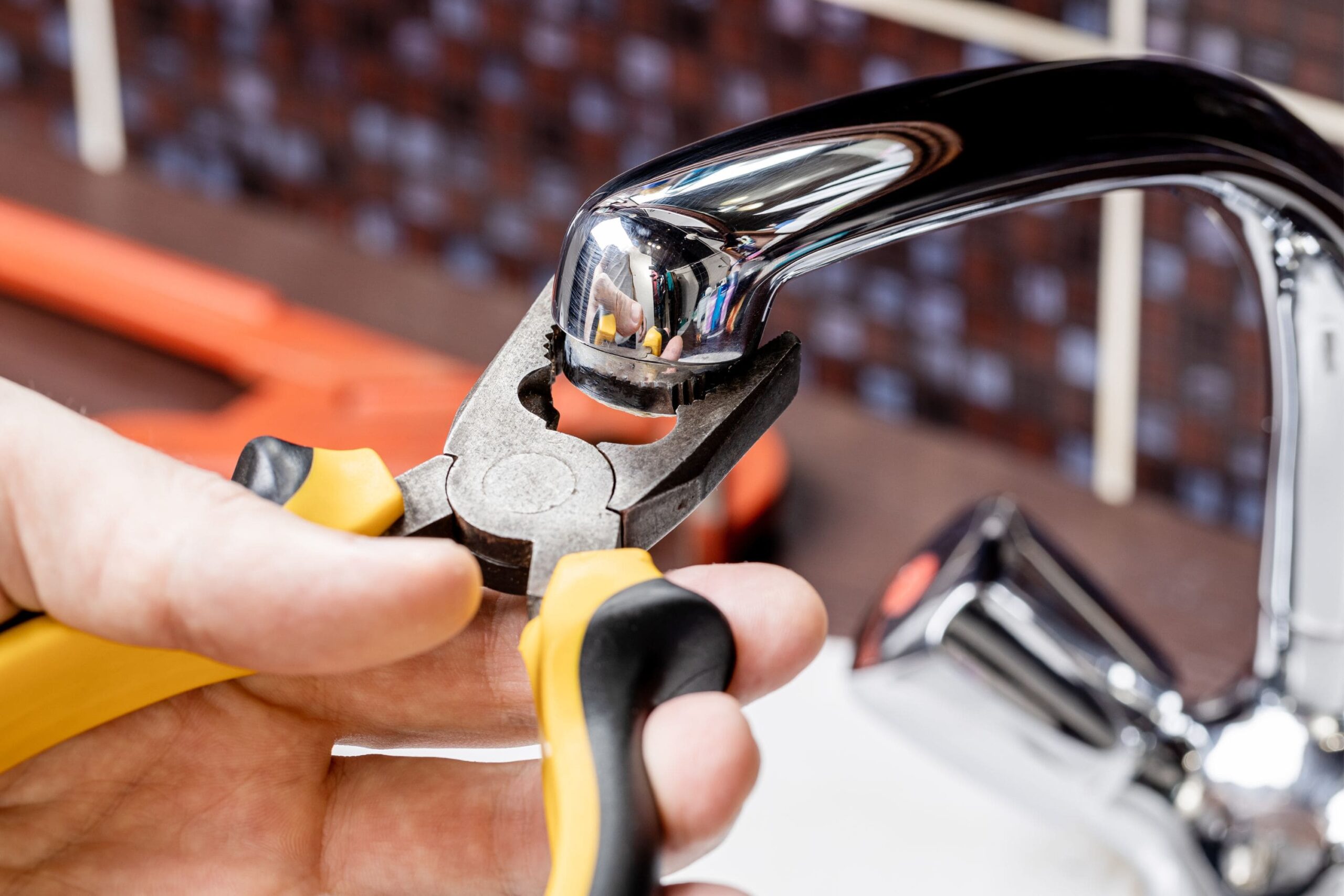
Using a screwdriver, remove the screws on the tap handle. Depending on the tap type, you may have to remove hot and cold indicators first to access the screws. Set the handle aside carefully.
Step 5: Inspect and Replace the Washer or Cartridge
Inspect the washer or cartridge for wear and tear. If using compression taps, replace the flat rubber washer. For cartridge types, you may need to replace the entire cartridge. This part is crucial; wear may be causing the leak.
Step 6: Reassemble the Tap
After replacing the washer or cartridge, reassemble the tap in reverse order. Be careful not to tighten any screws too much, as this may lead to difficulties in future repairs.
Step 7: Turn On Water Supply and Check for Leaks
Once everything is assembled, turn the water supply back on. Slowly open the tap and check for any leaks. If leaks persist, you may need to recheck the installation process.
Costs and Fees
Understanding the financial aspect of fixing a leaking tap can help you budget appropriately. Here’s a breakdown of expected expenses as of 2026:
- Washer (12mm or 15mm): N150 – N300
- O-ring: N100 – N200
- Cartridge: N1,000 – N2,500 (depending on brand)
- Faucet grease: N300 – N500
- Tools (if purchasing): N5,000 – N10,000 (one-time investment)
Average total repair cost (if you’re buying new tools and parts) could be between N6,000 to N15,000. However, if you have tools at home, you can expect to spend less than N3,000 for just the parts.
Comparison
Here’s a comparison of common tap types and their repair requirements:
| Tap Type | Repair Complexity | Common Issues | Typical Repair Parts Cost |
|---|---|---|---|
| Compression Tap | Moderate | Worn washers | N150 – N300 per washer |
| Cartridge Tap | Moderate to High | Cartridge failure | N1,000 – N2,500 |
| Ball Tap | High | Worn seals | N500 – N1,000 for seals |
| Disc Tap | High | Worn discs | N1,000 – N2,000 |
Common Mistakes to Avoid
While fixing a leaking tap is straightforward, there are some common mistakes many Nigerians make. Avoid these to ensure a successful repair:
- Not turning off the water supply: This can lead to unwanted water spraying everywhere.
- Over-tightening screws: This can damage the tap and lead to worse leaks.
- Ignoring the type of tap: Each tap has its unique design; using the wrong repair method can complicate things.
- Forgetting to replace O-rings: O-rings are critical in preventing leaks—ensure they are also replaced when worn out.
- Insufficient cleaning: Ensure all parts are clean before reassembly to avoid future leaks.
Tips and Insider Knowledge
Gaining insights from experienced DIY enthusiasts can save you time and frustration. Here are some insider tips:
- Purchase spares from local hardware stores: Local stores like Konga often offer better deals than supermarkets.
- Regular maintenance: Routinely check your taps to prevent leaks from developing.
- Use Teflon tape: Applying Teflon tape around threads can help avoid leaks in threaded connections.
- Familiarize with your tap brand: Brands like Moen or Grohe have specific repair kits available that simplify the repair process.
- Don’t rush: Take your time during repairs; patience often leads to a better job.
Frequently Asked Questions
1. How do I know if my tap is repairable?
If the leaking is due to worn out washers or cartridges, it is generally repairable. However, severe damages might require a replacement.
2. Can I use any washer for my tap?
No, washers should match the specific size of your tap. Always check the old washer for size and type before purchasing.
3. What are the signs of a serious plumbing issue?
If you notice water pooling around your tap or an unusual increase in your water bill, it might signify a more significant plumbing issue.
4. Is it cheaper to fix it myself or hire a plumber?
Fixing it yourself is generally cheaper, especially for simple leaks, as you only need to buy the necessary parts. Hiring a plumber can cost you N10,000 and above for diagnosis and labor.
5. How long does it take to fix a leaking tap?
Most DIY repairs can be completed within 30 minutes to an hour, depending on your experience and the tap’s complexity.
Conclusion
Fixing a leaking tap at home in Nigeria is a skill worth acquiring as it saves money and helps conserve precious water resources. With the right tools, materials, and a step-by-step approach, it’s a manageable task that any homeowner can tackle. Always remember to take your time, follow the steps closely, and don’t hesitate to seek advice if you run into difficulties. Happy fixing!
