
Introduction
Every home in Nigeria relies heavily on effective plumbing systems, with taps serving as crucial access points for water. However, as most homeowners can attest, leaking taps are a common household nuisance. Not only do these leaks disrupt daily routines, but they can also lead to significant water wastage and increased utility bills. By learning how to fix a leaking tap at home in Nigeria, you can save money on plumbing services, conserve water, and gain valuable DIY skills that you’ll use for years to come.
This comprehensive guide will take you through the necessary steps to resolve dripping taps in your home, while also providing insights into costs, common mistakes, and insider tips that can help you avoid hiccups during the repair process. Whether you’re a first-time DIY enthusiast or someone looking to improve your home, this guide is tailored specifically for Nigerians and their unique plumbing challenges.
In this post, you will learn about the tools and materials required, step-by-step instructions on fixing the problem, estimated costs involved, and some red flags to look out for along the way. By the end, you will have everything you need to tackle that leaking tap confidently, proving that with a bit of patience and the right guidance, these repairs are well within your reach.
What You Need
Before you jump into fixing your leaking tap, it’s important to have all the necessary tools and materials at hand. Here’s a comprehensive list:
- Tools Required:
- Adjustable Wrench
- Flathead and Phillips Screwdrivers
- Tape Measure
- Plumber’s Tape
- Sealant or Pipe Joint Compound
- Materials Needed:
- Replacement Washers (12mm and 16mm are common sizes in Nigeria)
- O-rings
- New Tap Head (if necessary)
- Waterproofing tape
- Documents (if replacing the entire tap):
- Purchase Receipt
- Warranty Information
Cost: Expect to budget between N4,000 to N15,000 for tools if you don’t already own them, while replacement washers and other materials should cost around N500 to N3,000.
Step-by-Step Guide
Now that you have everything you need, let’s dive into the detailed process of fixing a leaking tap.
Step 1: Identify the Type of Tap
The first step in your repair process is to identify what type of tap you are dealing with. Common types in Nigeria include:
- Compression Taps
- Ball Faucets
- Cartridge Taps
- Disk Faucets
Each type has specific components, so understanding which one you have will help determine the repair method.
Step 2: Turn Off the Water Supply
Before you begin any repair, turn off the water supply to prevent further leakage. You can usually find the valve under the sink. In some cases, you might need to turn off the main water supply for your home.
Step 3: Remove the Tap Handle
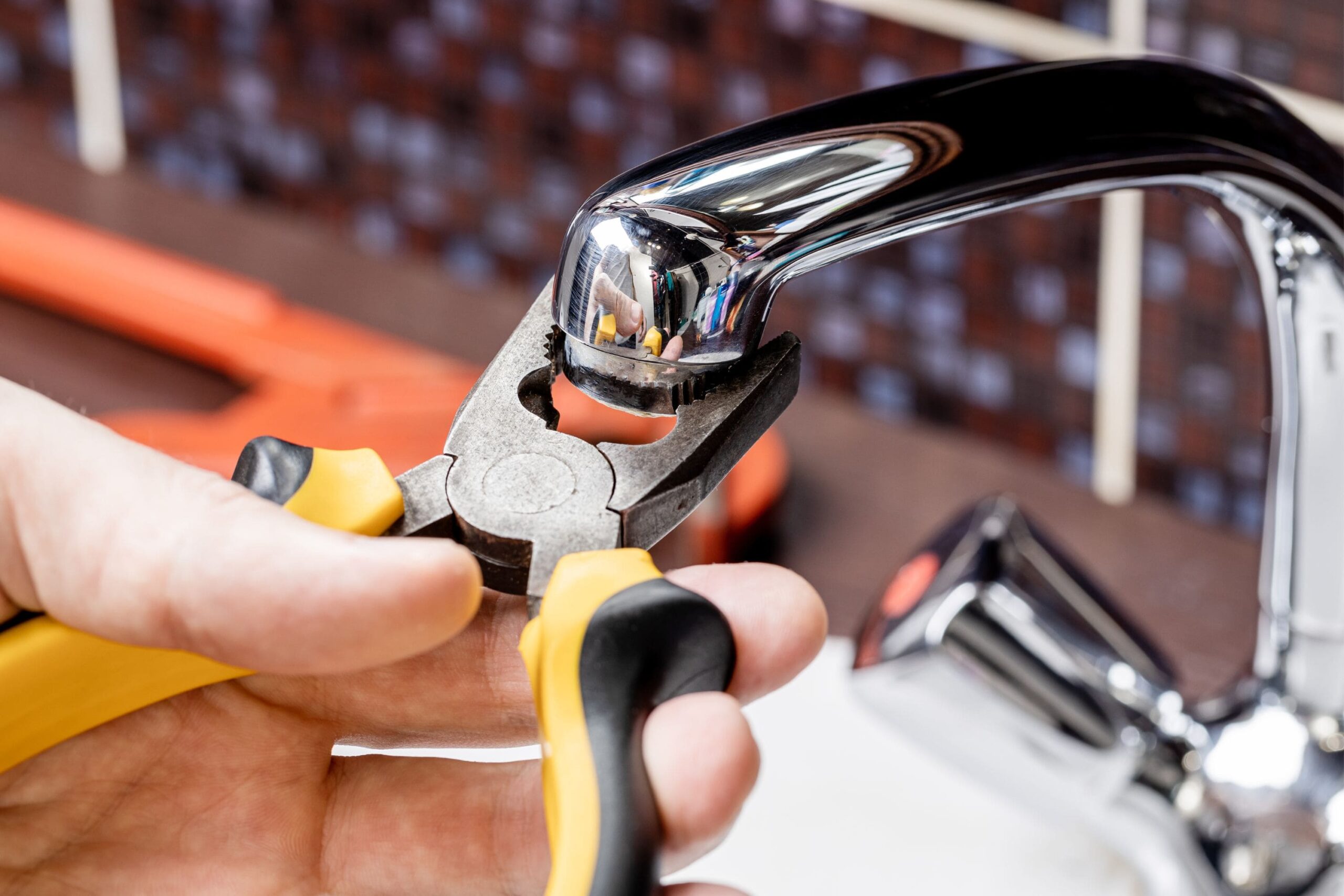
Use the flathead screwdriver to unscrew any decorative caps on the tap handle. Next, use a Phillips screwdriver or an adjustable wrench to unscrew and remove the tap handle itself.
Tip: Keep all screws in a safe place to avoid misplacement!
Step 4: Inspect and Remove the Washer or Cartridge
Once you’ve removed the handle, you should see a retaining nut. Use the adjustable wrench to remove this nut and extract the washer or cartridge carefully. Pay attention to the orientation as you remove it, as you’ll need to install the new part in the same position.
Step 5: Replace Washers/O-rings
If you noticed the rubber washers are worn out or damaged, replace them with new ones of the same size. Ensure they fit snugly in their respective grooves to prevent future leaks. If your tap uses a cartridge, consider replacing the entire cartridge unit.
Step 6: Reassemble Everything
Reinsert the washer or cartridge in the same position it was removed. Then, replace the retaining nut, followed by the tap handle. Ensure everything is screwed tightly but avoid overtightening, as this may cause more damage.
Step 7: Turn On the Water Supply and Test
After you’ve reassembled the tap, turn the water supply back on. Test the tap for leaks by turning it on and off several times and observing for any water escaping. If there are no drips, your repair was successful!
Costs and Fees
Estimated Costs
| Item | Average Cost (Naira) |
|---|---|
| Tools (if not owned) | N4,000 – N15,000 |
| Replacement Washers | N500 – N1,500 |
| New Tap Head | N2,000 – N7,000 |
| Plumber’s Tape | N200 – N500 |
| Labor Cost (if a plumber is needed) | N5,000 – N10,000 (if you choose not to DIY) |
Comparison
Tap Repair vs. Replacement
| Aspect | Repair | Replacement |
|---|---|---|
| Cost | N1,000 – N15,000 | N10,000 – N50,000 |
| Time to Complete | 30 – 60 minutes | 1 – 2 hours |
| Sustainability | Temporary fix | Long-term solution |
| Skill Level Required | Basic DIY skills | Advanced installation skills |
Common Mistakes to Avoid
- Not Turning Off the Water Supply: Forgetting to turn off the water supply can lead to messy situations and unwanted flooding.
- Buying Incorrect Sized Parts: Always measure your washers and o-rings before purchasing replacements; incorrect sizing can lead to further leaks.
- Ignoring Corroded Components: If you notice corrosion on components, it’s often best to replace them rather than just fix the leak.
- Overtightening Connections: While it might seem like a good idea to tighten everything as much as possible, overtightening can damage the fittings and lead to leaks.
Tips and Insider Knowledge
Here are some valuable tips to ensure your repair process is smooth and effective:
- Consider visiting local plumbing supply stores in Nigeria, such as Iminiyi Plumbing Supplies or Plumbline, for better prices and advice on tapped materials.
- Many Nigerian communities have social media groups or forums where you can ask for advice or recommendations for local repair services.
- Don’t discard old washers; they can be great templates for getting the right sizes when buying new ones.
- If your tap is extremely old, consider replacing it altogether rather than just repairing it; modern taps offer better efficiency and aesthetics.
Frequently Asked Questions
1. What causes a tap to leak?
A tap can leak due to various reasons such as worn-out washers, corroded seals, or damage to internal components like the cartridge.
2. Do I need a plumber to fix a leaking tap?
While hiring a plumber is an option, many leaks can be fixed with basic DIY skills, saving you money and time.
3. How can I prevent my tap from leaking in the future?
Regularly check and maintain your taps by tightening fittings and replacing any worn parts promptly to extend their lifespan.
4. What type of tap is easiest to repair?
Compression taps are generally simpler to repair compared to cartridge and ball faucets, making them a good option for DIYers.
5. Can I use any type of washer for my tap?
No, using the correct size and type of washer for your specific tap is crucial to prevent leaks. Always check your tap’s specifications.
Conclusion
Fixing a leaking tap at home in Nigeria is a practical skill that can save you both money and the environment. With the right tools, a bit of time, and this detailed guide, you’ll be equipped to tackle this common home issue. As you embark on your DIY journey, remember to stay patient and meticulous, and soon you’ll have that leaking tap solved!
