
Introduction
In Nigeria, a leaking tap can be a frustrating and costly issue that affects both your comfort and the environment. You might not realize it, but even a small leak can waste thousands of liters of water annually, leading to increased water bills and contributing to the country’s ongoing water scarcity issues. As water resources become more limited, it’s crucial for Nigerians to learn simple yet effective DIY fixes to prevent leakage. This guide aims to empower you with practical tips on how to fix a leaking tap at home in Nigeria, making it easier for you to maintain your home without the need for expensive plumbers.
Throughout this blog post, you will learn about the tools and materials required for fixing a leaking tap, step-by-step instructions tailored to common tap types found in Nigeria, and real costs to expect as of 2026. Additionally, we’ll share insider knowledge that is essential for avoiding common mistakes when attempting this DIY project. By the end of this guide, you’ll be equipped to tackle the task confidently and efficiently.
What You Need
Before diving into the repair work, it’s essential to gather all the necessary materials and tools. Here’s what you’ll need:
- Tools:
- Adjustable wrench (costs between N1,500 and N3,500)
- Screwdriver (flathead and Phillips, costs between N500 and N1,000 each)
- Plumber’s tape or Teflon tape (N200 to N500)
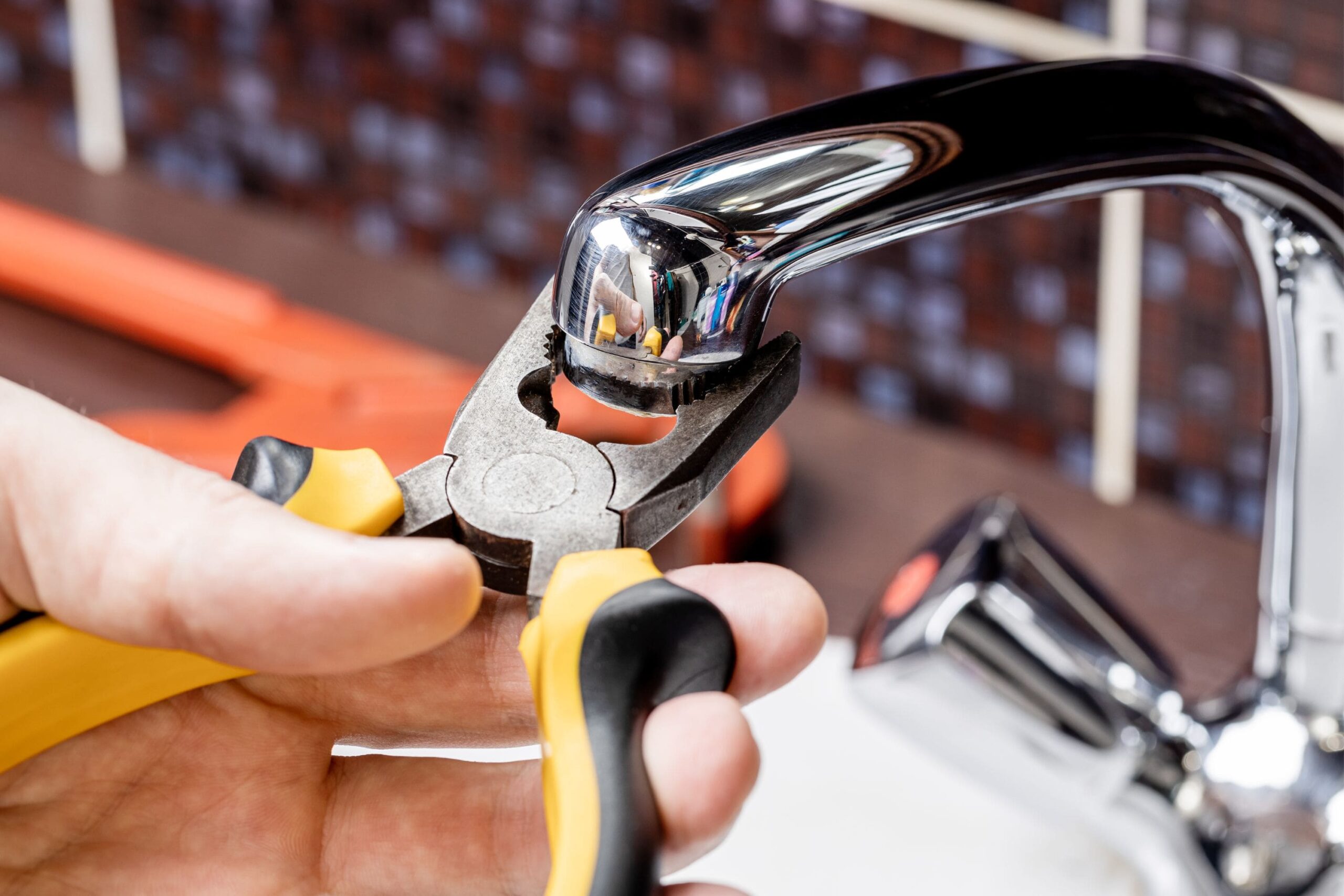
- Pliers (N2,000 to N4,000)
- Materials:
- Replacement washers (N100 for a pack)
- O-rings (N150 for a pack)
- Silicone grease (N800 to N1,200)
- Replacement tap cartridge (for cartridge taps, costs between N1,500 and N5,000 depending on the brand)
- Documents: None required for this DIY repair.
Tip: Many local markets in Nigeria carry these items, but you can also find them at larger retail chains like Spar or Shoprite. Online platforms like Jumia and Konga offer both convenience and competitive pricing.
Step-by-Step Guide
Step 1: Identify the Tap Type
The first step in fixing a leaking tap is to identify the type of tap you have. The most common types in Nigeria include:
- Compression taps
- Ball taps
- Cartridge taps
- Disc taps
Knowing your tap type is crucial because it determines the repair strategy and parts you’ll need.
Step 2: Turn Off the Water Supply
Before you start any repair work, ensure that you turn off the water supply to the tap. You can find the shut-off valve under the sink; turn it clockwise until it stops. This step prevents flooding or further leakage while you’re working.
Step 3: Remove the Tap Handle
Using your screwdriver, carefully remove the screws on the top or back of the tap handle. If your tap has decorative caps, gently pry them off with a flathead screwdriver before unscrewing.
Step 4: Take Out the Bonnet Nut
Once the handle is off, you’ll see the bonnet nut, which secures the tap mechanism. Use an adjustable wrench to unscrew this part. Be gentle to avoid making scratches or damaging the surrounding plumbing.
Step 5: Replace Washers and O-rings
With the bonnet nut off, you can access the washer or cartridge. If your tap uses washers, remove the old ones and replace them with new ones by using the correct size. O-rings should also be replaced at this stage if they appear worn. For cartridge taps, consider replacing the entire cartridge based on the manufacturer’s specifications.
Step 6: Reassemble the Tap
Once the new washers or cartridge are in place, reverse the steps to reassemble the tap. Place the bonnet nut back, tighten it gently with the adjustable wrench, and reattach the handle and screws.
Step 7: Turn On the Water Supply and Test
Finally, turn on the water supply and test the tap for leaks. If everything is working correctly, you should notice a significant reduction or complete cessation of the leak.
Costs and Fees
Here’s a breakdown of the typical costs associated with fixing a leaking tap in Nigeria as of 2026:
| Item | Estimated Cost (Naira) |
|---|---|
| Adjustable Wrench | 1,500 – 3,500 |
| Screwdriver (each) | 500 – 1,000 |
| Plumber’s Tape | 200 – 500 |
| Pliers | 2,000 – 4,000 |
| Replacement Washers | 100 |
| O-Rings | 150 |
| Silicone Grease | 800 – 1,200 |
| Replacement Tap Cartridge | 1,500 – 5,000 |
Total Estimated Cost: Between N5,000 and N15,000 depending on the tools and parts needed for your specific tap. This cost is significantly lower than hiring a professional plumber, which can run upwards of N15,000 for simple repairs.
Comparison
| Type of Tap | Tools Needed | Common Issues | Repair Difficulty |
|---|---|---|---|
| Compression Tap | Wrench, screwdriver | Leak from the handle | Medium |
| Ball Tap | Wrench, specialized tool for the ball joint | Dripping from the spout | High |
| Cartridge Tap | Wrench, screwdriver | Leaking cartridge | Low-Medium |
| Disc Tap | Wrench, screwdriver | Issues with pressure | Medium-High |
Common Mistakes to Avoid
Attempting to fix a leaking tap can be a successful endeavor if approached correctly. However, common mistakes can lead to complications. Here are some pitfalls to watch out for:
- Using incorrect parts: Always ensure you have the right size washers or cartridges for your specific tap type. Purchasing mismatched components can prolong your repair.
- Not turning off the water supply: Failing to shut off the water can create a mess and complicate the repair process.
- Over-tightening connections: It’s essential to tighten screws and nuts firmly, but over-tightening can strip threads and lead to additional leaks.
- Ignoring signs of wear: Always inspect the condition of the washers and O-rings. Old components can lead to future leaks, and replacing them proactively saves you more trouble later.
- Neglecting clean-up: Leaving behind debris or old parts can impede proper sealing in the future.
Tips and Insider Knowledge
Here are some insider tips that can save you time and effort while repairing a leaking tap:
- Consider a multi-tool: A plumbing multi-tool can replace multiple single-use tools, making your repairs easier and faster.
- Check local hardware stores: Small local stores often have knowledgeable staff who can recommend products tailored to your regional plumbing standards.
- Take a photo: If you’re unsure about the assembly, take a photo of the tap before disassembling it. This visual guide can help when you’re reassembling.
- Environmental impact: Use your repaired tap as a learning opportunity for your family, educating them on water conservation.
- Maintain your tools: Regularly service your tools to ensure you’re always ready for future repairs.
Frequently Asked Questions
1. How often should I check my taps for leaks?
You should inspect your taps every few months, especially in high-usage areas like the kitchen and bathroom. Routine checks can help spot leaks early, saving water and money.
2. What are some other common plumbing issues I can fix myself?
Aside from leaking taps, you can also fix running toilets, unclog drainages, and replace showerhead filters with some basic tools and research.
3. Can I replace a tap if I’m not skilled in plumbing?
Yes, many Nigerians do basic plumbing by watching DIY videos and guides. As long as you follow instructions carefully and take your time, you can achieve good results.
4. How much should I budget for DIY plumbing repairs?
For simple fixes like a leaking tap, budgeting between N5,000 and N15,000 should cover most repairs, including any tools you may need to purchase.
5. What if my tap continues to leak after trying to fix it?
If the leak persists, there may be a more significant issue with the plumbing system. In such cases, it’s advisable to consult a qualified plumber for more complex diagnosis and repairs.
Conclusion
Fixing a leaking tap at home in Nigeria is not just a simple repair; it’s a proactive step towards conserving water and managing household expenses effectively. With the right tools, knowledge, and a little patience, you can tackle this DIY project and enjoy the satisfaction that comes with solving common household issues. Remember to stay mindful of the tips shared to ensure your repair is as effective and efficient as possible.
