
Introduction
There’s nothing more frustrating in a household than a leaking tap. Not only does it disrupt your daily activities, but it can also lead to increased water bills and potential damage to your property. In Nigeria, where water resources are often precious and bills can be steep, fixing a leaking tap becomes not just a matter of convenience but also a necessity.
This comprehensive guide will walk you through the steps on how to fix a leaking tap at home in Nigeria, detailing the necessary tools, expenses, and common pitfalls. Whether you’re a DIY enthusiast or totally new to home repairs, you’ll find useful information here. By the end of this article, you’ll not only learn how to tackle a leaking tap but also gain a deeper understanding of plumbing issues that many Nigerian households face.
Understanding the nuances involved in plumbing repairs in Nigeria is crucial, especially with the local climate and material availability. You’ll learn about the specific parts you need, where to buy them, and how to efficiently handle repairs without calling in a plumber. Let’s dive into the world of DIY home fixes and empower ourselves to take control of our home maintenance.
What You Need
Before embarking on your journey to fix that leaky tap, it’s essential to gather all the necessary materials and tools. Missing any one of these items can prolong your repair process significantly.
Essential Tools and Materials
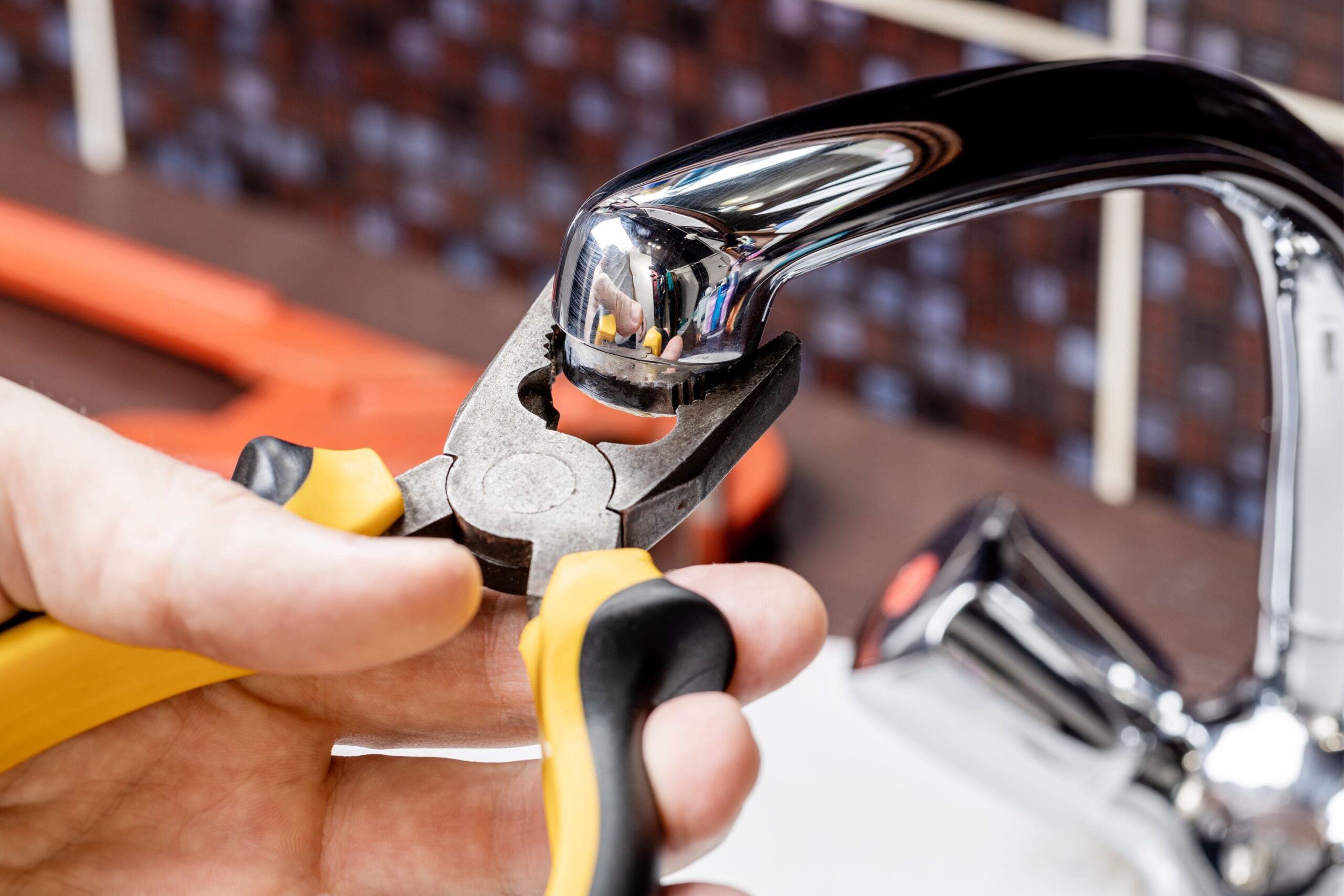
1. **Wrenches**: You’ll need a basin wrench or an adjustable wrench to loosen and tighten the fittings.
2. **Screwdrivers**: Flathead and Phillips screwdrivers for removing screws from the tap handles.
3. **Washers**: Standard 12mm rubber washers or O-rings, which are often the culprits in leaks.
4. **Plumber’s Tape**: This helps to ensure watertight seals on threaded connections.
5. **Basin or bucket**: To catch any water that might spill during repairs.
6. **Lubricant**: A plumbing grease can help ensure smooth operation of the tap components.
7. **Cleaning cloth**: For wiping down and cleaning the area once the repair is done.
Documents Required
While you won’t need to present any documents to fix a leaking tap, it’s good practice to keep any existing warranties or previous receipts of tap installation handy, especially if you plan on purchasing new parts.
Prerequisites and Fees
– **Timeframe**: Expect approximately 30 minutes to 1 hour for the repair process.
– **Initial Cost**: Gather around N5,000 to N10,000 for basic tools if you don’t already own them.
– **Replacement Parts Cost**: Washers and O-rings typically cost between N200 to N1,000 depending on the brand and where they are purchased.
Step-by-Step Guide
Now that you have everything you need, follow these detailed steps to effectively fix your leaking tap.
Step 1: Identify the Type of Tap
Before disassembling anything, determine the type of tap you are dealing with. There are various types, including compression, cartridge, ball, and ceramic disc taps. The repair process may vary slightly depending on the type, but starting by identifying your tap type saves time.
Step 2: Turn Off the Water Supply
Always turn off the water supply to prevent further leakage or flooding. To do this:
– Locate the water shut-off valve under the sink or a nearby area.
– Turn it clockwise until it stops. Test the tap to ensure no water flows.
Step 3: Disassemble the Tap
Using your screwdriver, carefully remove any decorative caps to expose the screws on the handle.
– Unscrew and remove the handle.
– Depending on your tap type, you may need to remove additional parts (such as nuts and washers) to reach the inner mechanism.
Step 4: Inspect the Components
Once disassembled, closely inspect the washers and O-rings for signs of wear or damage. If they appear cracked or flattened, this is likely the cause of your leak.
Step 5: Replace Damaged Parts
Remove the old washers and O-rings. Replace them with new ones that fit securely. Ensure you’re using **12mm washers**, which are standard for most Nigerian taps.
Step 6: Reassemble the Tap
Put all components back in reverse order. Ensure you tighten the screws and nuts securely, but avoid over-tightening as this may cause damage.
Step 7: Turn On the Water Supply and Test
After reassembly, turn the water supply back on slowly. Check for leaks and function. It’s advisable to let the water run for a few minutes to ensure everything is working as it should.
Costs and Fees
Here’s a detailed breakdown of costs associated with fixing a leaking tap at home in Nigeria as of 2026:
| Item | Cost (Naira) |
|---|---|
| Washers/O-Rings | 200 – 1,000 |
| Plumber’s Tape | 300 – 700 |
| Basic Tool Set (if needed) | 5,000 – 10,000 |
| Cleaning Supplies | 200 |
| Miscellaneous (lubricant, cloth) | 500 |
Total Estimated Cost: N6,200 – N12,400 (depending on existing tools).
Comparison
If you’re considering hiring a plumber versus fixing it yourself, here’s a comparison to help you make an informed decision:
| Service | DIY Repair | Professional Plumbing Service |
|---|---|---|
| Cost | N6,200 – N12,400 | N15,000 – N30,000 |
| Time | 30 mins – 1 hour | 1-2 hours (wait for availability) |
| Skill Required | Basic (easy to learn) | No skills required, professional service |
| Convenience | High (you choose when) | Depends on availability |
Common Mistakes to Avoid
When fixing a leaking tap, many Nigerians make several common mistakes which can complicate repairs. Here are some pitfalls to avoid:
1. **Not Turning Off the Water Supply**: Always shut the water off first. Failing to do so can lead to flooding.
2. **Using the Wrong Size Washers**: Ensure the washers match your tap specifications; otherwise, you might end up with a worse leak.
3. **Over-tightening Screws**: While it is important to secure screws, overdoing it can damage your tap components.
4. **Neglecting to Check Surroundings**: Before starting repairs, clear out the area to avoid losing parts or creating a mess.
5. **Ignoring Signs of Further Issues**: If the leak persists after you’ve replaced the washer, consider that other parts may need attention rather than just replacing washers.
Tips and Insider Knowledge
Experience and familiarity can help you avoid many hassles when dealing with plumbing in Nigeria. Here are some insider tips:
– **Local Stores**: Consider visiting local hardware stores rather than large supermarkets. Stores like **Pants and Spanners** in Lagos often have specific brands at better prices.
– **Buy in Bulk**: If you anticipate future repairs, consider purchasing multiple washers or O-rings to save costs.
– **Call for Help**: If you’re stuck, don’t hesitate to ask local plumbers for quick advice rather than full-service calls—they often appreciate giving little tips.
– **Watch Online Tutorials**: Sometimes seeing it done can clarify the process better than written instructions.
– **Consider Pipe Orientation**: When reassembling, pay attention to how the water flows; ensure that everything is aligned to avoid future leaks.
Frequently Asked Questions
**Q1: How often should I check my taps for leaks?**
A1: It’s advisable to check your taps at least once a month as part of your home maintenance routine. Early detection of leaks can save you water and money.
**Q2: What is the typical lifespan of tap washers?**
A2: Tap washers can last anywhere from 1-5 years depending on usage quality. It’s essential to replace them periodically.
**Q3: Can I use any washer for my tap?**
A3: No, you should always use washers and O-rings that match the specifications of your tap type to ensure a good fit.
**Q4: What should I do if the tap is still leaking after replacing parts?**
A4: Check for additional issues within the tap mechanism or call a professional plumber if you’re unable to identify the problem.
**Q5: Are there environmentally friendly options for dealing with tap leaks?**
A5: Yes! Some companies in Nigeria are starting to produce eco-friendly plumbing materials. Look for certified brands aimed at sustainability.
Conclusion
Fixing a leaking tap at home is a rewarding DIY project that can prevent further damage and reduce water bills. With the right tools, steps, and knowledge, you can take control of your home’s plumbing needs efficiently. By educating yourself and avoiding common mistakes, you can save money and gain valuable skills for future repairs. Now that you have a roadmap for fixing that tap, roll up your sleeves and get to work!
